Taking an Abra Across Dubai Creek: A Practical Guide
The traditional wooden abra is one of the most charming and affordable ways to cross Dubai Creek. This guide covers routes, tips and what to see along the way.
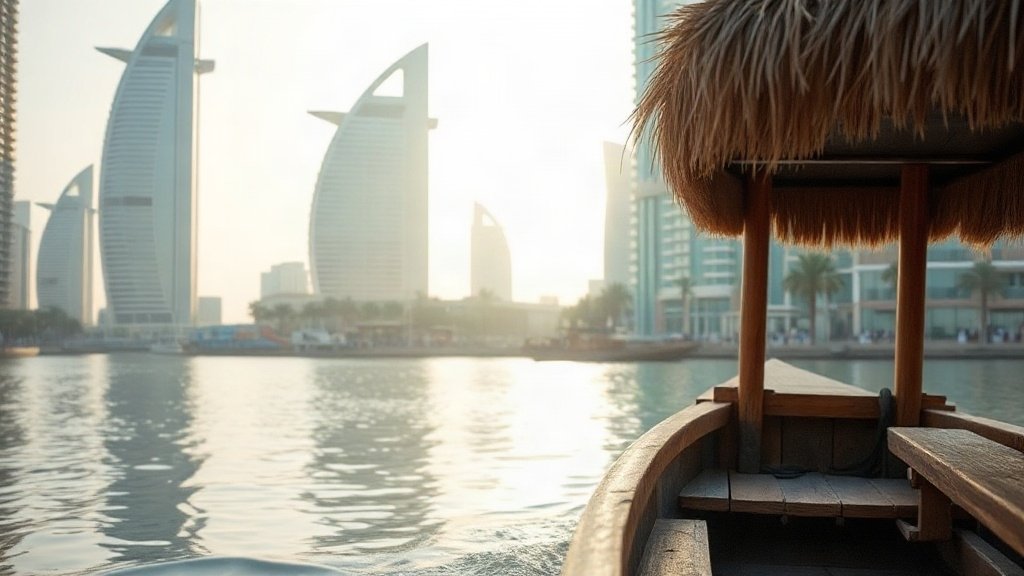
Illustration: AI-generated image
Dubai Creek has been the lifeblood of the city for centuries, long before the skyscrapers rose. Today, one of the most authentic ways to experience its heritage is aboard an abra – a small, traditional wooden boat that ferries passengers between the Deira and Bur Dubai shores. It is simple, inexpensive and offers a glimpse into Dubai's trading past.
What is an abra?
The abra is a flat-bottomed wooden vessel, typically powered by a small outboard motor, though traditionally they were rowed. These boats have carried people across the creek for generations, and they remain a vital part of daily life for many residents and a delight for visitors. Each abra can seat around 20 passengers, and journeys last only a few minutes, but the experience is memorable.
Where to catch an abra
There are two main abra routes across Dubai Creek, both operating from early morning until late at night. The most popular is between Bur Dubai Abra Station (near the Textile Souk and Al Fahidi Historical Neighbourhood) and Deira Old Souk Abra Station (near the Gold Souk and Spice Souk). This route provides easy access to the bustling souks on both sides.
A second route links Deira Old Souk to Al Sabkha Abra Station on the Deira side, offering a slightly longer ride and a chance to see more of the creek's working waterfront.
What to expect on the journey
Abra rides are short – usually between five and ten minutes. The boats are open-air, with wooden benches along the sides. Passengers sit shoulder to shoulder, which adds to the communal feel. The fare is paid in cash to the operator as you board, and it is extremely affordable. Life jackets are available on board.
As you cross, you will see a mix of old and new: traditional dhows moored along the banks, cargo being loaded and unloaded, seabirds skimming the water, and the modern skyline in the distance. It is a wonderful way to observe the creek's constant activity.
Tips for making the most of your abra ride
- Go at sunset: the soft light and cooler temperatures make the crossing especially pleasant, and the call to prayer from nearby mosques adds to the atmosphere.
- Combine with souk visits: start on the Bur Dubai side, explore the textile and spice markets, then take the abra to Deira for the gold and perfume souks. It is an easy and enjoyable walking circuit.
- Keep your camera ready: the view looking back at either shore from the water is photogenic, with the wind towers of Al Fahidi and the shimmering towers beyond.
- Be mindful of your belongings: the boats can get crowded, so keep bags closed and secure.
- Dress comfortably: there is no strict dress code for abra passengers, but modest attire is respectful in the surrounding traditional neighbourhoods.
A link to Dubai's heritage
Riding an abra is not just a means of transport; it is a direct connection to Dubai's roots as a fishing and pearl-diving settlement. While the city has transformed around it, the humble abra endures as a symbol of continuity. For visitors, it is a chance to slow down and appreciate the waterway that shaped this dynamic metropolis.