A Practical Guide to Gahwa: The Gulf's Traditional Arabic Coffee
Discover the etiquette, flavour and cultural significance of gahwa, the aromatic coffee served as a symbol of hospitality across the Arabian Peninsula.
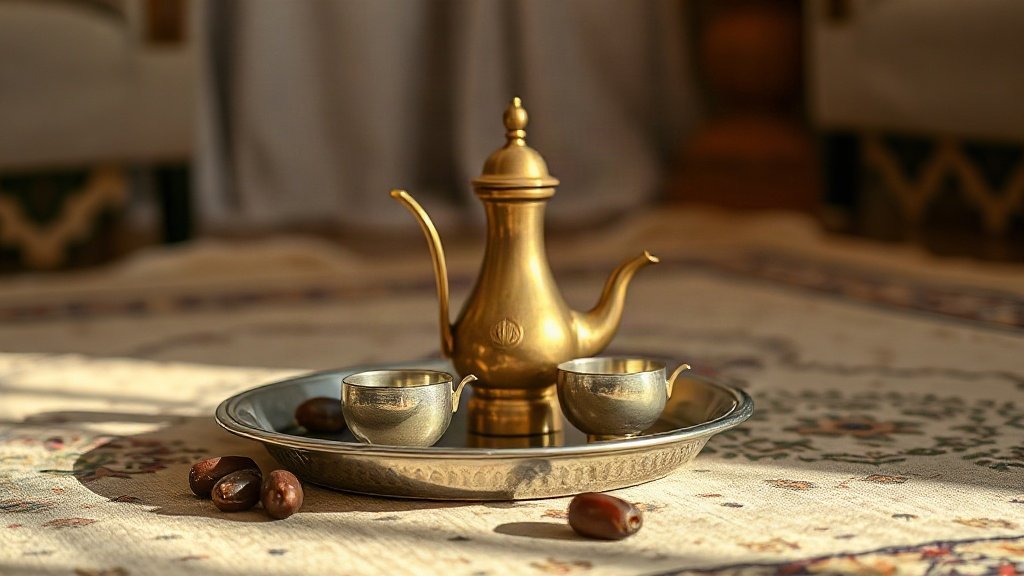
Illustration: AI-generated image
In homes, majlis gatherings and desert tents across the Gulf, the arrival of a gleaming brass pot and tiny handleless cups signals one of the region's most enduring traditions: gahwa, or Arabic coffee. More than a drink, gahwa is a ritual of welcome, generosity and connection that every visitor should experience.
The Ritual of Serving
Gahwa is brewed from lightly roasted coffee beans, often blended with cardamom and sometimes saffron, cloves or rose water. The result is a pale, golden liquid quite unlike Western coffee—less bitter, aromatic and served without sugar. It is traditionally prepared in a dallah, a long-spouted pot, and kept warm over coals or a low flame.
The host or the youngest member of the household typically pours the coffee. Cups are small and handleless, filled only a third or a quarter full. The pourer holds the dallah in the left hand and the cup in the right, serving guests in order of seniority or starting from the right. It is customary to serve at least one cup to every guest, and the host will continue to refill until the guest signals they have had enough.
Etiquette for Guests
When offered gahwa, always accept the first cup with your right hand. It is polite to drink it slowly, savouring the flavour. To indicate you would like a refill, simply hold out your empty cup. When you have finished, gently shake the cup from side to side and hand it back—this universal signal tells the host you have had enough.
Dates are often served alongside gahwa as a sweet counterpart to the coffee's subtle bitterness. Taking a date before or after sipping is perfectly acceptable and enhances the experience. Avoid placing the cup on the floor or table; return it directly to the server.
Ingredients and Flavour
The hallmark of gahwa is its lightness and spice. Beans are roasted to a pale colour rather than dark, preserving delicate notes. Cardamom is the most common addition, while saffron lends a golden hue and floral aroma in some regions. Unlike Turkish coffee, gahwa is not ground to a fine powder, so the liquid is clear and free of sediment.
No sugar is added during brewing; the bitterness is balanced by the natural sweetness of dates or, occasionally, a small piece of halwa. Some variations include a pinch of cloves, cinnamon or dried lime for a more complex profile.
Where to Experience Gahwa
Gahwa is offered in homes, at cultural centres, during festivals and in traditional majlis settings. Many heritage villages and museums across the Gulf include coffee ceremonies as part of their demonstrations. Visitors may also encounter it at official events and business meetings, where serving gahwa remains a sign of respect and hospitality. For an authentic experience, accept an invitation to a local home if offered—this is one of the warmest welcomes a traveller can receive.