Henna in the Gulf: A Practical Guide to Temporary Body Art
Discover the tradition of henna in the Gulf, from its cultural significance to where you can experience this beautiful art form as a visitor.
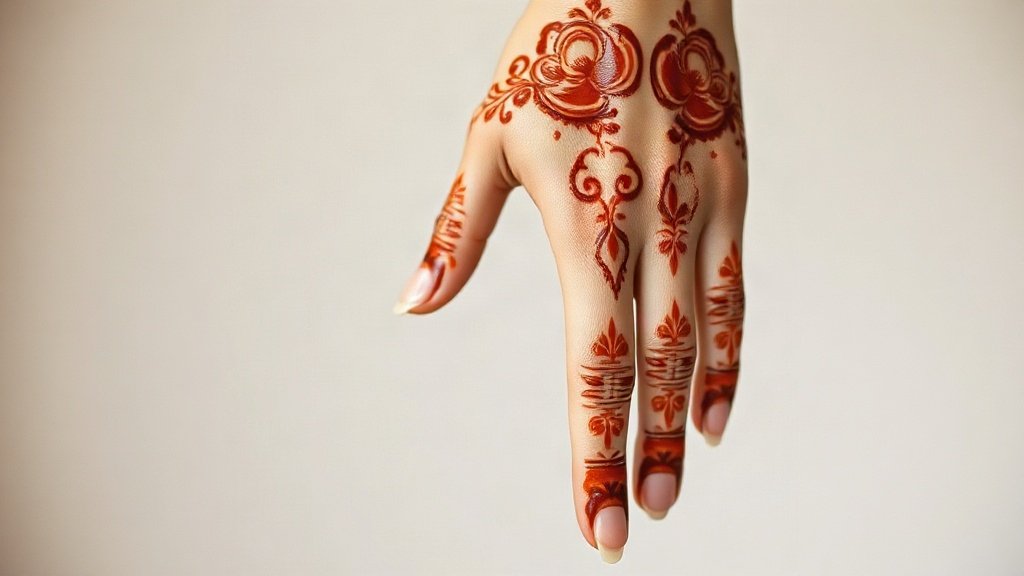
Illustration: AI-generated image
Henna, a paste made from the crushed leaves of the henna plant, has been used for centuries across the Arabian Gulf to create intricate temporary designs on the skin. For visitors, experiencing henna offers a meaningful connection to local culture and a beautiful, personal souvenir that fades naturally over time.
Cultural Significance
In the Gulf, henna is more than decoration; it is a symbol of joy, beauty and blessings. Traditionally applied during weddings, Eid celebrations and other special occasions, the reddish-brown stains are believed to bring good fortune. Bridal henna, often covering the hands and feet with elaborate patterns, is a highlight of many marriage festivities. Today, henna remains a cherished practice for both men and women, though designs for men are usually simpler, such as a small dot or line on the palm.
Where to Experience Henna
Visitors can easily find henna artists in traditional souqs, at cultural festivals, and through hotel or resort activities. Many artists set up stalls or work from small studios, offering a range of designs from quick, simple motifs to detailed, full-hand artwork. While prices vary, henna is generally affordable, and the experience itself—watching the artist carefully pipe the paste—is part of the charm. Always request natural henna, which produces a rich, dark stain, and avoid 'black henna' that may contain harmful chemicals.
Caring for Your Henna
To achieve the best colour, leave the dried paste on the skin for at least several hours, ideally overnight. Avoid water during this time, and applying a mixture of lemon juice and sugar to the dried henna can help the stain darken. Once removed, the design will appear orange at first, gradually deepening to a dark brown over 24 to 48 hours. With proper care, henna typically lasts one to three weeks, gradually fading with washing and exfoliation.
Etiquette and Tips
Henna is widely accepted and enjoyed by people of all backgrounds, but it is wise to be mindful of local customs. Choose designs that you are comfortable wearing, especially if they are placed on visible areas like hands or arms. If you have sensitive skin or allergies, do a patch test first. And remember that henna is temporary, so there is no need to worry about long-term commitment.