Halal Certification in the Gulf: A Practical Guide for Businesses
Understanding halal certification is essential for any company selling food, cosmetics or pharmaceuticals in the Gulf. This guide explains what it is, why it matters and how to obtain it.
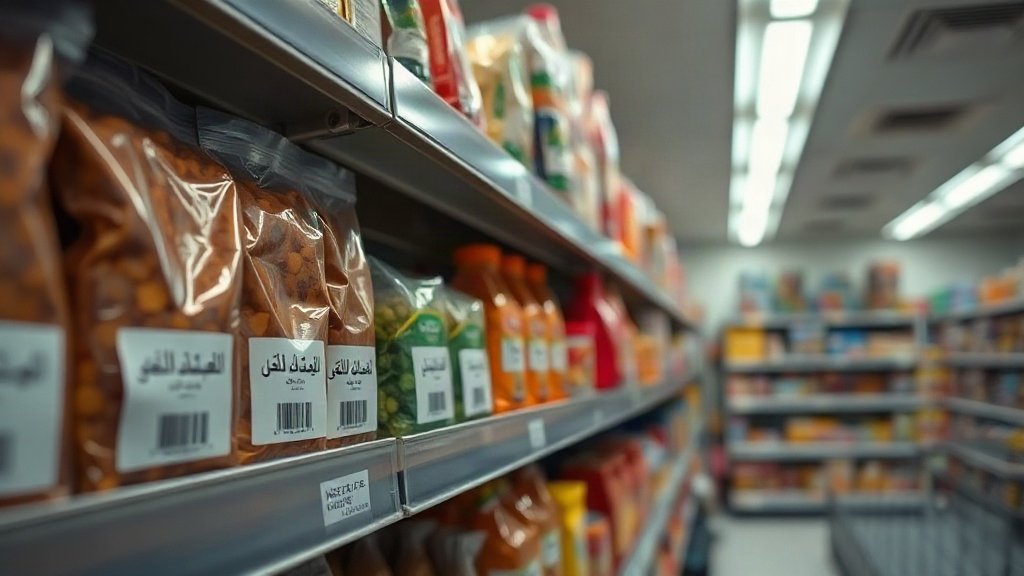
Illustration: AI-generated image
For businesses entering the Gulf market, halal certification is more than a stamp of approval—it is a gateway to consumer trust and regulatory compliance in a region where Islamic principles shape everyday life. Whether you manufacture food, cosmetics, pharmaceuticals or even logistics services, understanding halal requirements can give your company a significant competitive edge.
What is Halal Certification?
Halal, meaning 'permissible' in Arabic, refers to products and practices that comply with Islamic law. Halal certification is a formal recognition that a product meets all religious and technical requirements, from ingredient sourcing to manufacturing processes. It is issued by accredited certification bodies after an audit of the entire supply chain.
Why It Matters in the Gulf
The Gulf Cooperation Council (GCC) countries—Saudi Arabia, the UAE, Qatar, Kuwait, Bahrain and Oman—are home to a large Muslim population and also serve as a hub for exports to other Islamic markets. Many products, especially food and beverages, cannot be sold locally without halal certification. Governmental bodies and major retailers often require it as a precondition for listing. Moreover, halal is increasingly seen as a mark of quality and safety by non-Muslim consumers too, making it a smart business decision beyond religious compliance.
Key Steps to Obtain Certification
- Understand the scope: Determine which products require certification and which halal standards apply in your target country. Standards can vary slightly between GCC states.
- Choose a recognised certification body: Each country accredits specific organisations. Working with a reputable certifier familiar with local regulations is crucial.
- Prepare documentation: You will need detailed information on ingredients, suppliers, production processes, cleaning procedures and quality management systems.
- Facility audit: The certification body will inspect your premises to ensure no cross-contamination with non-halal materials and that all practices align with Islamic requirements.
- Obtain approval and certificate: Once compliant, you receive a halal certificate valid for a set period, typically one to three years, subject to renewal.
Maintaining Compliance
Halal certification is not a one-time event. Regular surveillance audits, prompt reporting of any changes in ingredients or processes, and staff training are essential to keep your certification active. Failure to comply can lead to revocation and damage to your brand reputation.
By investing in halal certification, businesses position themselves for long-term success in one of the world's most dynamic and rapidly growing consumer markets.