Mutrah Souq: A Practical Guide to Muscat's Historic Market
Wander through the narrow lanes of Oman's most famous souq, where frankincense, silver and traditional crafts have been traded for centuries.
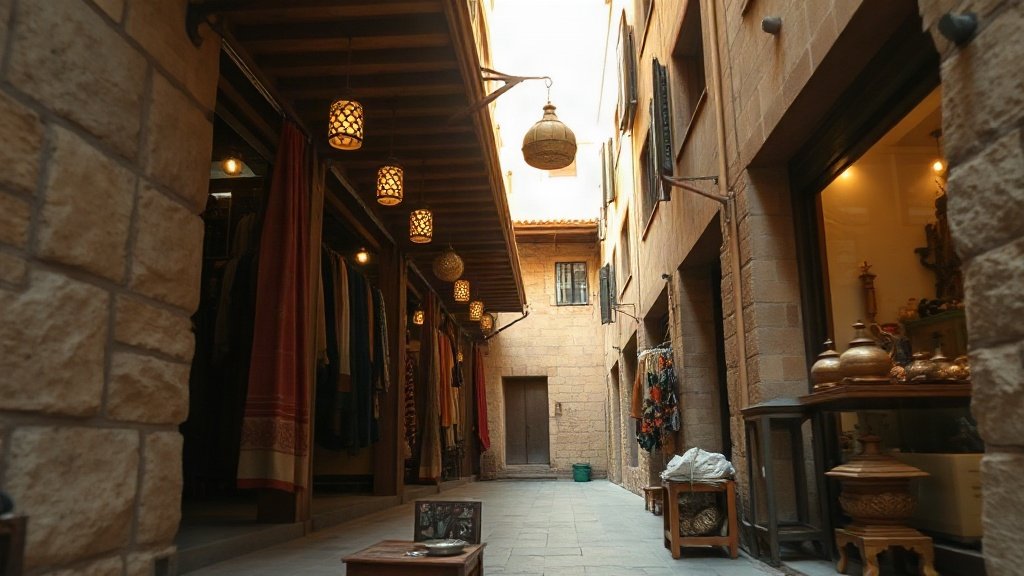
Illustration: AI-generated image
Mutrah Souq is one of the oldest and most atmospheric markets in the Arabian Peninsula, tucked along the Corniche in Muscat, Oman. For visitors, it offers a genuine glimpse into the region's trading heritage, with dozens of tiny shops spilling out onto labyrinthine alleyways. Whether you are hunting for souvenirs or simply soaking up the atmosphere, a visit here is a highlight of any trip to the Omani capital.
Getting there and orientation
The souq sits at the eastern end of Mutrah Corniche, just a short walk from the waterfront and the historic Mutrah Fort. The main entrance is marked by a traditional arched gateway, but once inside, the lanes branch off in every direction. It is easy to get pleasantly lost, but the souq is compact enough that you will eventually find your way back to the sea. Most visitors arrive by taxi or on foot from nearby hotels; free parking is extremely limited, so public transport or a short walk is often easier.
What to look for
Mutrah Souq is particularly known for its traditional Omani goods. Frankincense is everywhere, sold in small bags or decorative boxes, with grades ranging from everyday burner resin to prized green hojari. Silver jewellery is another speciality, including the curved khanjar dagger—Oman's national symbol—as well as necklaces, bracelets and ornate coffee pots. You will also find hand-woven textiles, colourful pashmina scarves, spices, perfumes, antique-looking brass items and modern souvenirs.
Bargaining and etiquette
Haggling is expected in the souq. Start at around half the asking price and work up with a smile; the process is part of the fun. Be respectful, avoid aggressive bargaining, and be prepared to walk away if a price feels too high. Dress modestly, covering shoulders and knees, and always ask before photographing people or their goods. Most shopkeepers are friendly and happy to chat, even if you do not buy.
When to visit
The souq is busiest in the evening, when the air cools and the lanterns cast a warm glow over the alleys. Many shops close for a few hours in the afternoon heat, then reopen after sunset. If you prefer a quieter experience, go in the morning, when the first traders set out their wares. Combine your visit with a stroll along the Corniche or a climb up to Mutrah Fort for panoramic views over the harbour.
Mutrah Souq is a living piece of Omani culture, not a museum. Take your time, enjoy the scents and sounds, and let the market reveal its charms at its own pace.