A Practical Guide to Gulf Perfumes: Oud, Bakhoor and Attar
From smoky oud to sweet bakhoor and concentrated attar oils, discover the Gulf's most beloved scents and how to enjoy them like a local.
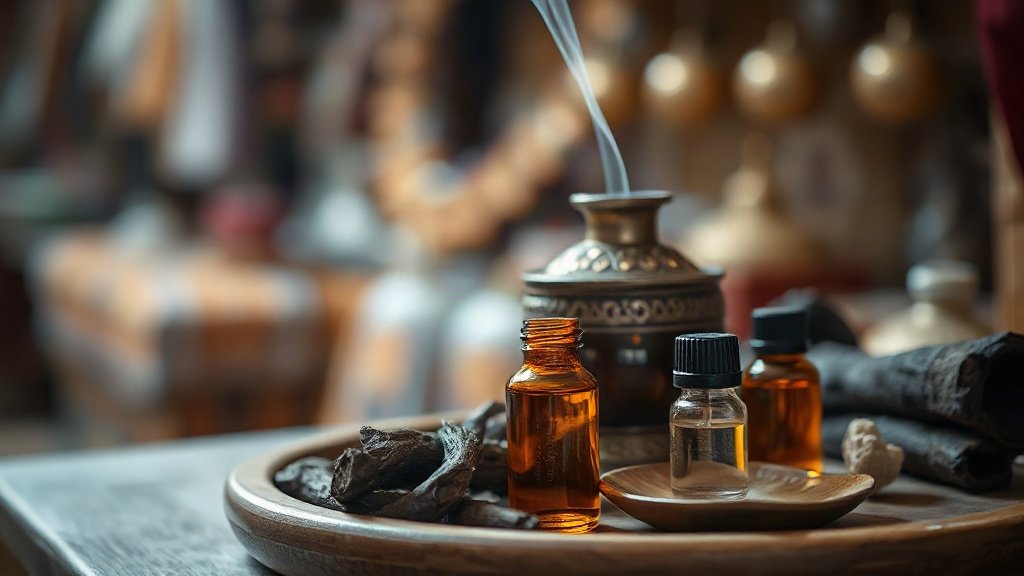
Illustration: AI-generated image
Perfume is woven into daily life across the Gulf. The region's love of fragrance goes back centuries, linked to trade routes that brought exotic woods, resins and flowers from India, Southeast Asia and beyond. For visitors, understanding the main types of Gulf perfume—oud, bakhoor and attar—adds a rich layer to any journey.
Oud: The Fragrant Wood
Oud, also called agarwood, is a dark resinous wood formed when certain trees become infected with a mould. The resin gives the wood a deep, woody, slightly sweet and complex aroma. In the Gulf, oud is used in two main ways: as wood chips burned as incense, or as an oil distilled from the wood. The oil is applied directly to skin or clothing and is highly prized; some bottles are passed down through generations.
When buying oud, you will notice a wide range of quality. The best oud comes from wild trees, but most available today is cultivated. Prices vary enormously, so do not feel pressured to buy expensive oil. Even a small amount of good quality oud can last a long time.
Bakhoor: Incense for Home and Clothes
Bakhoor is a blend of wood chips—often soaked in fragrant oils and mixed with other resins, spices and flower petals—that is burned on a charcoal disc or in an electric burner. The smoke is used to perfume homes, clothes and even hair. A common Gulf tradition is to pass a bakhoor burner around after meals or when guests visit, allowing the scent to cling to clothes for hours.
You will see bakhoor sold in most traditional souqs, often in sealed plastic bags or boxes. It comes in many forms, from loose chips to compressed bricks. Sellers are usually happy to let you smell a sample; simply waft the smoke towards your face. Some bakhoor is very strong, so a little goes a long way.
Attar: Alcohol-Free Perfume Oils
Attar, or ittar, is a concentrated perfume oil made from natural ingredients such as rose, jasmine, sandalwood, musk, amber and saffron. Unlike Western alcohol-based perfumes, attar is applied directly to the skin in small dabs or smeared onto a cotton ball placed in a pocket. Because it is free of alcohol, it is also suitable for those who avoid alcohol for religious or personal reasons.
Many attars are unisex, though some are traditionally marketed for men or women. Popular notes in the Gulf include rose, oud, amber, saffron and a blend called 'mukhallat'. When sampling, apply a tiny drop to the back of your hand and wait a minute—the scent will change as it warms.
How to Choose and Use Gulf Perfumes
- Start small: A few grams of bakhoor or a small bottle of attar is enough to experience the scent.
- Ask for guidance: Shopkeepers in souqs are often knowledgeable and will help you find a fragrance that suits your taste and budget.
- Test patiently: Oud and attar develop over time. Do not judge from the first sniff alone.
- Respect local customs: Strong perfume is common, but avoid excessive application in public places such as mosques or hospitals.
- Consider the heat: Heavy scents can intensify in warm weather; some visitors prefer lighter floral attars in summer.
Where to Find Them
The easiest places to explore Gulf perfumes are traditional souqs and dedicated perfume shops found in every city and town. In the UAE, the perfume souq in Deira, Dubai, and the central souq in Sharjah are well known. In Saudi Arabia, visitors can browse the historic souqs of Riyadh, Jeddah and Al Ahsa. In Oman, Muttrah Souq in Muscat offers a wide selection. Qatar's Souq Waqif and Bahrain's Manama Souq are also excellent.
Wherever you go, take your time. Smelling different woods, oils and bakhoor blends is a sensory journey into Gulf culture—one that lingers long after you return home.