A Guide to Camel Milk in the Gulf: Nutrition, Taste and Cultural Significance
Camel milk has been a staple of Bedouin diets for centuries. Here's what makes it special, how it's used today, and why it's worth trying.

Illustration: AI-generated image
Long before supermarkets and dairy farms, camel milk was a life-giving staple for Bedouin communities across the Arabian Peninsula. In a harsh desert climate, camels were prized not only for transport but for their nutritious milk, which could sustain families when water and food were scarce.
A desert staple with deep roots
Camel milk has been part of Gulf culture for centuries. It was traditionally drunk fresh, sometimes fermented, and shared as a gesture of hospitality. Even today, serving camel milk to guests is a sign of respect in many Emirati and Saudi homes. The milk's slightly salty, creamy taste may surprise first-timers, but it pairs beautifully with dates and Arabic coffee.
Bedouin families often kept small herds of camels, and the milk was a daily source of nourishment. Because camels can survive long periods without water and still produce milk, they were a reliable source of food in the desert. The milk was also turned into yoghurt and a type of clarified butter, similar to samneh, for longer storage.
What makes camel milk different?
Nutritionally, camel milk stands apart from cow's milk. It is lower in fat and cholesterol, yet richer in certain vitamins and minerals. Here are a few key differences:
- Lower lactose: Many people who find cow's milk hard to digest tolerate camel milk well, because its lactose content is lower and its protein structure is different.
- More vitamin C: Camel milk contains several times more vitamin C than cow's milk, which was vital in desert diets where fresh produce was scarce.
- Rich in iron: It is a good source of iron, making it a traditional remedy for fatigue and anaemia in some communities.
- Longer shelf life: Camel milk naturally stays fresh longer than cow's milk, thanks to proteins that inhibit bacterial growth.
These qualities made camel milk invaluable before refrigeration, and they continue to attract health-conscious consumers today.
Modern takes on a traditional drink
Today, camel milk has moved beyond the desert tent. Across the Gulf, you will find it in supermarkets, health food shops and speciality cafés. Artisans use it to make camel milk chocolate, ice cream, yoghurt and even lattes. Camel milk soap and skincare products are also popular, thanks to the milk's gentle, nourishing properties.
In the UAE, camel milk is pasteurised and widely available in cartons and bottles. Some farms offer tours where visitors can see camels being milked and sample fresh milk. In Saudi Arabia and Qatar, camel milk is sold in both traditional souqs and modern grocery stores. It is also a key ingredient in local desserts and hot drinks, such as camel milk karak.
Camel dairies are also gaining attention for their lower environmental impact compared with traditional cattle farming, as camels are well adapted to arid climates and require less water and feed.
How to try camel milk in the Gulf
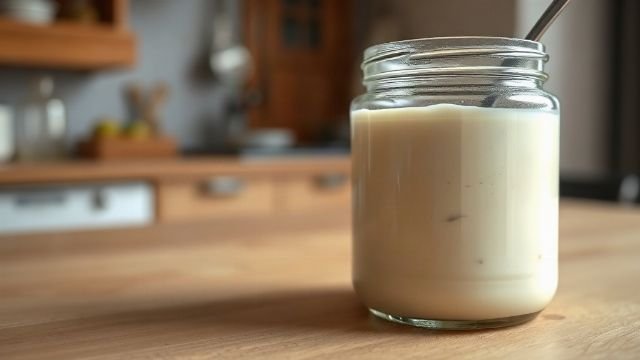
If you are curious, start with a small glass of fresh camel milk, chilled. Its flavour is mild but distinctly different from cow's milk – slightly salty and sweet at the same time. Pair it with dates for a traditional experience. For something more indulgent, look for camel milk ice cream or a camel milk cappuccino in a local café. You can also buy pasteurised camel milk at most large supermarkets in the UAE, Saudi Arabia and Qatar.
Whether you are a resident or a visitor, camel milk offers a delicious way to connect with the Gulf's heritage. It is a taste of the desert that has adapted beautifully to modern life.