How to Make Yoghurt (Laban) at Home: A Simple Guide
Making creamy, tangy yoghurt at home is easier than you think. With just two ingredients and a little patience, you can enjoy fresh laban any time.
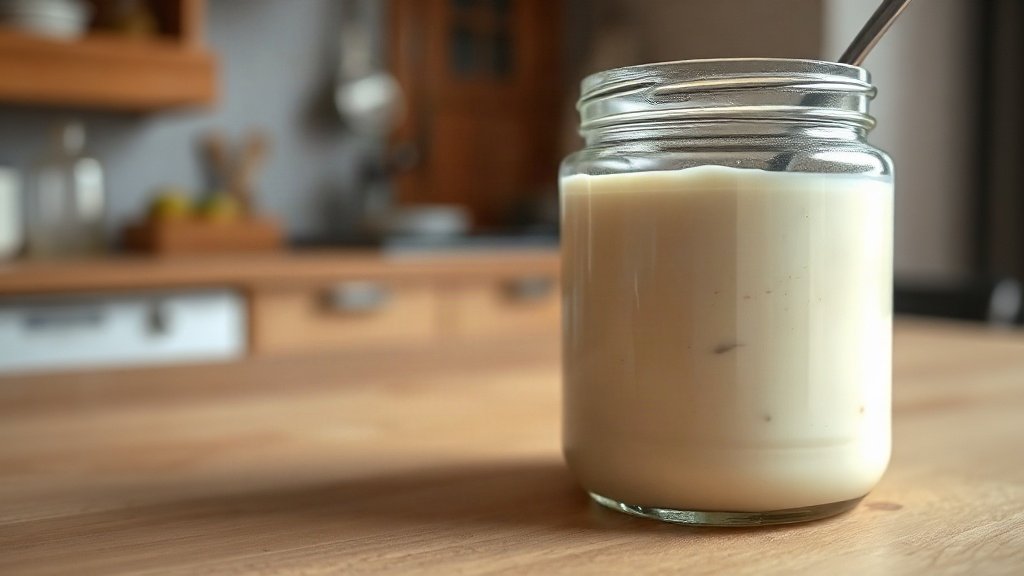
Illustration: AI-generated image
Fresh, creamy yoghurt – known as laban in the Gulf – is a staple in kitchens across the region. While store-bought versions are convenient, making your own at home is surprisingly simple, requires no special equipment, and gives you control over the flavour and texture. Once you master the basic technique, you will never want to go back to shop-bought tubs.
What You Will Need
Homemade yoghurt relies on just two ingredients: milk and a starter culture. The starter can be a few spoonfuls of plain yoghurt with live active cultures, or a powdered starter from a health food shop. Use full-fat milk for the creamiest result, but semi-skimmed also works if you prefer a lighter texture.
You will also need a heavy-bottomed saucepan, a clean jar or bowl for culturing, and a warm spot to incubate the yoghurt. Some people use a thermos, a slow cooker, or even a warm oven, but a simple insulated cooler or a thick towel will do the job.
Step-by-Step Instructions
- Heat the milk. Pour the milk into a saucepan and warm it over a medium heat, stirring occasionally, until it reaches about 85°C (185°F). This step helps the proteins restructure for a thicker, smoother yoghurt. If you do not have a thermometer, heat the milk until it is steaming and small bubbles form around the edge, but do not let it boil.
- Cool the milk. Remove the pan from the heat and let the milk cool to around 45°C (113°F). You can speed this up by placing the pan in a sink of cold water, but be sure to stir occasionally for even cooling. The milk should feel comfortably warm when you put a clean finger in – not hot.
- Add the starter. In a small bowl, mix a few tablespoons of the warm milk with your starter yoghurt (about two tablespoons per litre of milk) until smooth. Then whisk this mixture back into the rest of the warm milk.
- Incubate. Pour the mixture into a clean glass jar or ceramic bowl and cover with a lid or cling film. Wrap the container in a thick towel or place it in a warm, draught-free spot – an oven with the light on, a turned-off slow cooker, or a cooler filled with warm water (not hot). The temperature should stay between 40–45°C (104–113°F) for the cultures to work. Leave it undisturbed for 6 to 12 hours; the longer it sits, the tangier it becomes.
- Check and chill. After 6 hours, gently tilt the container – the yoghurt should have set into a thick, wobbly mass. If it is still runny, let it incubate for a few more hours. Once set, refrigerate for at least 4 hours before eating; this further thickens the yoghurt and improves the flavour.
Tips for Success
- Always use very clean utensils and containers to avoid unwanted bacteria.
- For a thicker, Greek-style yoghurt, strain the finished yoghurt through a muslin cloth or coffee filter for a few hours in the fridge.
- Save a few spoonfuls of your homemade yoghurt as the starter for your next batch. After a few batches, the culture may weaken; start again with a fresh store-bought culture or powdered starter.
- If the yoghurt separates or has a grainy texture, the milk was likely too hot when you added the starter, or the incubation temperature fluctuated too much.
How to Use Your Homemade Yoghurt
In the Gulf, laban is enjoyed in countless ways: as a refreshing drink mixed with water and salt (called laban ayran), as a side with rice dishes like machboos, or as a base for dips and salads. Spoon it over fresh fruit, drizzle with date syrup, or use it to marinate chicken or lamb. It also works beautifully in baking and smoothies.
Storing and Keeping
Homemade yoghurt will keep in the fridge for up to two weeks. Always use a clean spoon when scooping to prolong freshness. If you wish to make labneh, simply strain the yoghurt for 24 hours and mix in a pinch of salt – you will have a thick, spreadable cheese perfect for breakfast with olive oil and za'atar.