A Guide to Ramadan Food Traditions in the Gulf: Iftar and Suhoor
From dates and laban to slow-cooked harees, discover the dishes and customs that shape the Gulf's holy month of fasting and feasting.
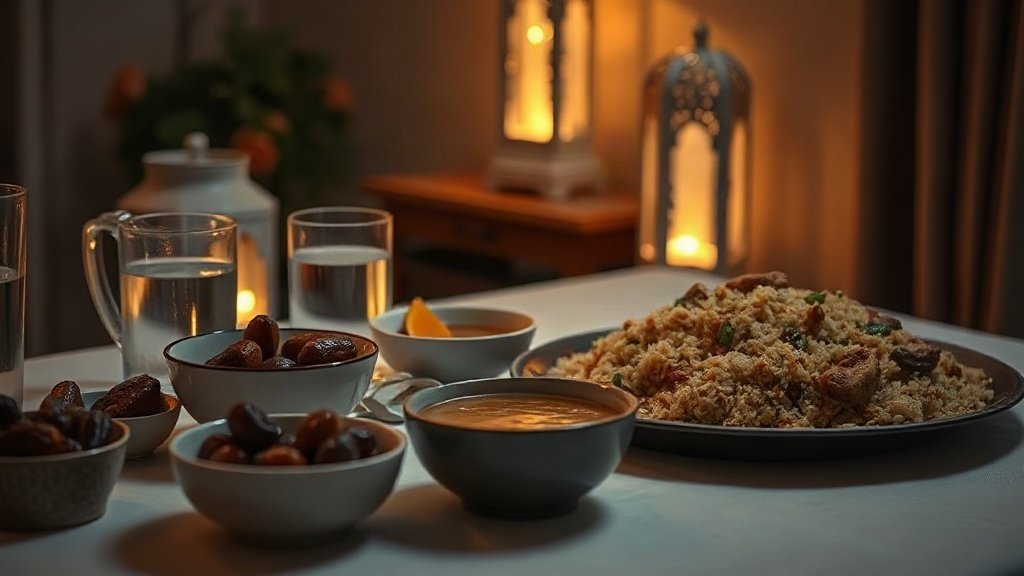
Illustration: AI-generated image
Ramadan is the holiest month in the Islamic calendar, observed by Muslims across the Gulf with a daily fast from dawn until sunset. It is also a time of heightened hospitality, reflection and community, and food plays a central role. For visitors and expats, understanding the region's Ramadan food traditions offers a meaningful window into local culture.
The Rhythm of the Day
During Ramadan, the first meal of the day is suhoor, eaten before dawn. It is typically light but sustaining, designed to carry the body through the long hours of fasting. At sunset, the fast is broken with iftar, beginning with dates and water, followed by a generous spread of dishes shared with family and friends.
Iftar Essentials
The traditional way to break the fast echoes the practice of the Prophet Muhammad: first a few dates and a glass of water or laban (a refreshing yoghurt drink). This gentle start helps restore blood sugar levels before the main meal.
- Dates: The Gulf is home to dozens of date varieties, from soft, sticky khalas to drier sukkari. They are always present on the iftar table.
- Soup: A warm bowl of soup, often lentil, chicken or vegetable, is a common starter. Shorbat adas (lentil soup) is particularly popular.
- Appetisers: Crispy samboosa (stuffed pastries), kibbeh (fried bulgur wheat shells) and fattoush or tabbouleh salads often appear.
Main Dishes
The centrepiece of iftar varies by country and household, but certain dishes are synonymous with Ramadan in the Gulf.
- Harees: A slow-cooked porridge of wheat and meat (usually chicken or lamb), gently simmered until creamy and seasoned simply with salt and cinnamon. It is a staple in UAE, Qatar and Bahrain.
- Thareed: A hearty stew of lamb, vegetables and spices, poured over layers of thin regag bread until the bread softens. It is mentioned in hadith as a favourite of the Prophet.
- Machboos: Spiced rice cooked with meat or fish, similar to kabsa, is a festive favourite for iftar gatherings.
- Saloona: A comforting tomato-based vegetable stew, often with meat or chickpeas, served with rice or bread.
Suhoor
Suhoor is a quieter, more intimate meal, eaten in the last hour before dawn. It focuses on slow-release carbohydrates, protein and hydration.
- Foul medames: Slow-cooked fava beans mashed with olive oil, lemon and garlic, eaten with bread.
- Labneh and cheese: Strained yoghurt, white cheese, olives and fresh vegetables are common.
- Bajella: A Gulf version of fava beans, sometimes cooked with tomato and spices.
- Dates and milk: A simple, traditional combination praised for its nutritional balance.
Sweets and Drinks
After iftar, sweet treats and refreshing drinks are enjoyed well into the evening.
- Luqaimat: Small, deep-fried dough balls drizzled with date syrup or honey and sprinkled with sesame seeds.
- Kunafa: A cheese-filled pastry soaked in sweet syrup, sometimes topped with pistachios.
- Jallab: A drink made from date molasses, grape molasses and rose water, garnished with pine nuts and raisins.
- Tamar Hindi: A cooling tamarind drink, sweetened and often served chilled.
- Qahwa (Arabic coffee): Lightly roasted coffee flavoured with cardamom and saffron, served in small cups with dates.
Etiquette and Hospitality
Ramadan is a time of generosity. It is common for families to invite neighbours, friends and even strangers to share iftar. Large communal tents, organised by charities or private hosts, offer free meals to anyone in need. When attending an iftar, it is polite to arrive on time, dress modestly, and accept a date and coffee when offered. Non-Muslims are welcome to join if invited.
For those living in or visiting the Gulf during Ramadan, observing the daily rhythms of fasting and feasting provides a deeper appreciation of the region's culinary heritage and the values of patience, gratitude and community that underpin it.