Khanfaroosh: A Guide to the Gulf's Sweet Fried Dough
A beloved breakfast treat across the UAE and Bahrain, khanfaroosh is a spiced, yeasted dough fried until golden and often drizzled with date syrup.

Illustration: AI-generated image
Walk past a traditional bakery in the UAE or Bahrain in the early morning and you might catch the sweet, yeasty scent of khanfaroosh drifting from the fryer. These small, golden rounds of fried dough are a beloved part of Gulf breakfast tables and afternoon tea spreads.
What is Khanfaroosh?
Khanfaroosh (also spelled khanfaroush or khubz al-qafsha) is a sweet, leavened dough that is deep-fried until crisp outside and soft inside. The name is thought to come from the Persian word for a type of fritter, reflecting the historical trade and culinary links across the Gulf. The dough is typically enriched with eggs, sugar, and sometimes yoghurt or milk, then flavoured with cardamom, saffron, and a splash of rose water.
A Taste of Gulf Tradition
The appeal of khanfaroosh lies in its simplicity. Each bite offers a gentle crunch followed by a soft, airy crumb. The warm spices—cardamom above all—give it a distinctly Arabian character, while the sweetness is subtle, making it a perfect partner for a drizzle of date syrup (dibs) or a dusting of icing sugar. In some homes, it is served plain, letting the saffron's golden hue and delicate aroma take centre stage.
How Khanfaroosh Is Made
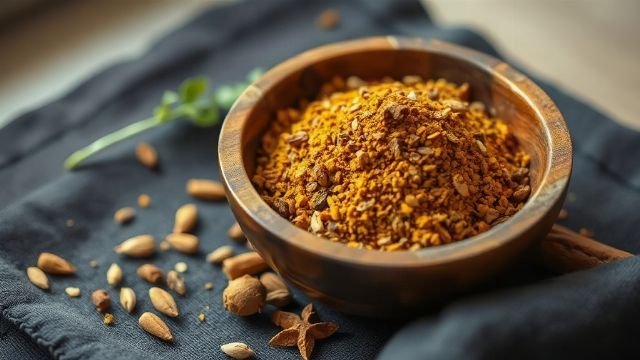
The process begins with a yeasted batter, similar to a thick pancake batter. After resting, spoonfuls are dropped into hot oil and fried until puffed and golden. The result is roughly the size of a golf ball, with a craggy, almost flower-like surface. Home cooks often have their own proportions, but the core ingredients remain consistent: flour, yeast, eggs, sugar, cardamom, saffron, and oil for frying. Some add a little turmeric for extra colour, though saffron remains the traditional choice.
When and How to Enjoy
Khanfaroosh is most commonly eaten at breakfast, alongside a cup of Arabic coffee (gahwa) or sweet karak tea. It also appears during Ramadan, when the fried dough provides a satisfying start to iftar, and at Eid celebrations, where platters of sweets are shared among family and neighbours. Because it is best eaten fresh, it is rarely stored for long—though leftovers can be reheated briefly in an oven to restore some crispness.
Where to Find It
While many families make khanfaroosh at home, it is also available from traditional bakeries, sweet shops, and some hotel breakfast buffets across the Gulf. In the UAE, it is a staple of Emirati cuisine and often features in heritage food festivals. Visitors curious to try it should look for small, golden fritters sold by weight or by the piece, usually near other fried sweets like luqaimat.
Whether you enjoy it as a morning treat or an afternoon pick-me-up, khanfaroosh offers a delicious window into the Gulf's rich culinary heritage.