Thareed: The Gulf's Hearty Bread and Stew Tradition
Discover the comfort of thareed, a layered dish of bread, tender meat and vegetables that has been a staple of Gulf tables for centuries.

Illustration: AI-generated image
Thareed is a quintessential Gulf comfort food: a fragrant stew of meat and vegetables poured over layers of torn flatbread, which soften and soak up the rich broth. Simple, nourishing and deeply rooted in tradition, it has fed families across the Arabian Peninsula for generations.
Historical Roots
Thareed is one of the oldest dishes in the Arab world, with roots that predate Islam. It is mentioned in classical Arabic poetry and was a common meal among Bedouin tribes, who relied on bread and whatever meat or vegetables were available. The dish gained particular prominence in Islamic tradition: a well-known hadith quotes the Prophet Muhammad as saying that thareed excels over other dishes as Aisha excels over other women, underscoring its esteemed place in Arab culinary heritage.
Preparation and Flavours
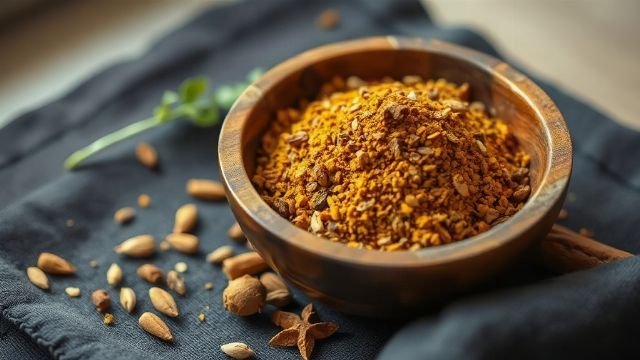
The core of thareed is simple: a rich stew known as saloona or marq, made with lamb, chicken or fish, simmered with vegetables such as potatoes, carrots, courgettes and tomatoes. The broth is seasoned with a warm blend of spices—typically turmeric, cumin, coriander, black pepper and sometimes loomi (dried lime) for a subtle tang. The stew is then ladled over regag or khubz, a thin flatbread similar to a crepe, which is torn into pieces and arranged in a deep dish. The bread absorbs the flavours and softens into a spoonable, porridge-like texture, making it both satisfying and easy to eat.
Cultural Significance
Thareed is especially beloved during the holy month of Ramadan, when it often appears at iftar tables as a restorative meal after fasting. It is also served at weddings, Eid celebrations and family gatherings, where its communal nature encourages sharing and togetherness. In many Gulf households, the recipe is passed down through generations, with each family adding its own touch—some prefer a spicier broth, others add chickpeas or pumpkin, and coastal communities may use fresh fish instead of meat.
Today, thareed remains a staple in homes and traditional restaurants across the Gulf, celebrated for its simplicity and depth of flavour. It is a dish that connects the region to its past while continuing to warm the hearts of those who enjoy it.