Ramadan in the Gulf: A Practical Guide for Visitors
What travellers need to know about visiting Gulf countries during the holy month, from food timings to cultural etiquette.
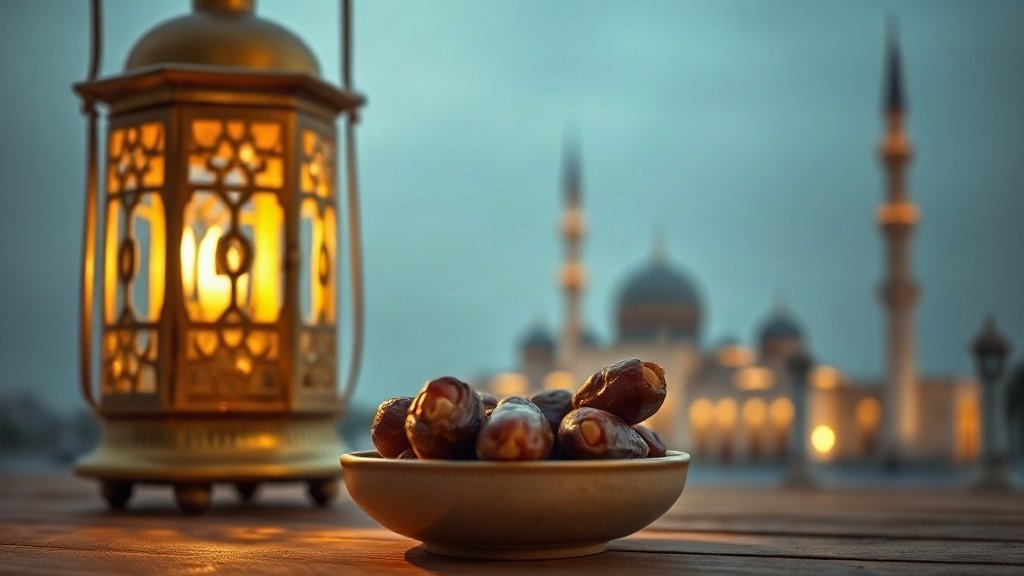
Illustration: AI-generated image
For visitors to the Gulf, the holy month of Ramadan is a time of deep cultural significance and warm hospitality. While it brings changes to everyday life – from food and drink timings to the pace of business – a little preparation helps travellers navigate it with confidence and respect.
What Ramadan means
Ramadan is the ninth month of the Islamic calendar, observed by Muslims as a month of fasting from dawn until sunset. It is a time for prayer, reflection, charity and spending time with family and community. Because the Islamic calendar is lunar, Ramadan begins about 10–12 days earlier each year, so its dates shift through the seasons.
Food and drink during the day
During daylight hours, Muslims abstain from eating and drinking, including water. In Gulf countries, it is respectful for visitors to avoid eating, drinking, chewing gum or smoking in public places during the fast. Many cafés and restaurants remain closed until late afternoon or sunset, although hotel restaurants and designated areas may serve non-fasting guests discreetly. Supermarkets and grocery shops typically open as usual, so you can stock your accommodation.
After sunset, the fast is broken with the iftar meal, and the streets come alive with communal dining and special foods. Many hotels and restaurants offer lavish iftar buffets, and it is common for people to invite guests to join. Accepting such an invitation is a wonderful way to experience Gulf hospitality.
Dress and behaviour
Modest dress is appreciated year-round in the Gulf, but it is especially important during Ramadan. Both men and women should cover shoulders and knees in public, and avoid tight or revealing clothing. Public displays of affection are best avoided at any time, and particularly during this period.
It is also advisable to be mindful of noise levels near mosques during prayer times, and to avoid playing loud music in public. Many offices and government departments operate reduced hours, so plan any official business accordingly.
Experiencing the spirit of Ramadan
Despite the daytime quiet, Ramadan evenings are vibrant. After the iftar meal, families and friends gather, and many cities host night markets, cultural events and late-night shopping. The pre-dawn meal, suhoor, is another social occasion, with some restaurants opening especially for it.
Visitors are welcome to observe prayers from designated areas at mosques, though it is important to dress appropriately and follow local guidance. The final days of Ramadan lead into Eid al-Fitr, a three-day holiday of feasting, gift-giving and family visits, which is a festive time to be in the region.