Bzar: The Gulf's Signature Spice Blend and How to Use It
Discover bzar, the warming, aromatic spice blend that gives many Gulf dishes their distinctive flavour, and learn how to make and use it at home.
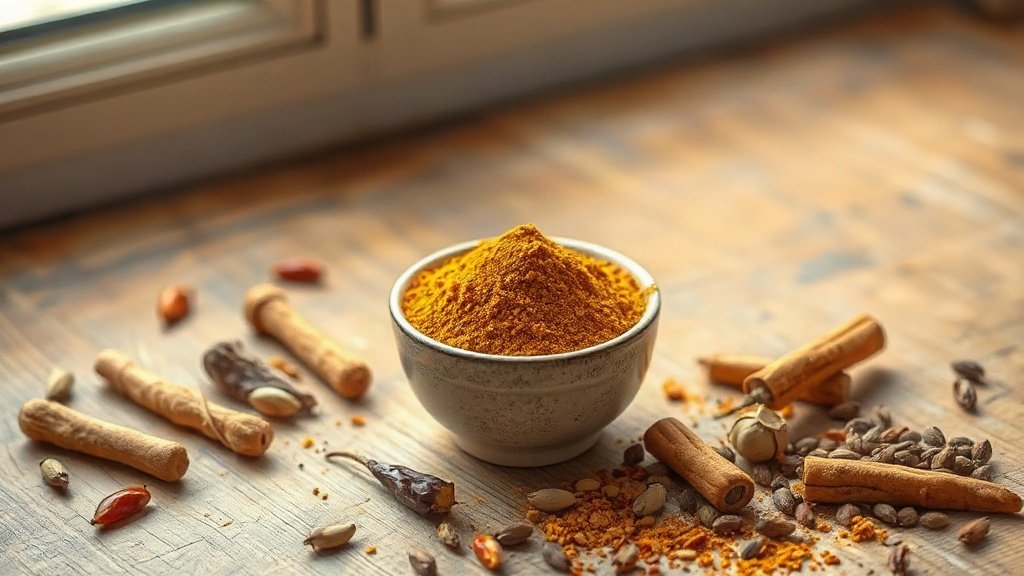
Illustration: AI-generated image
Walk through any traditional Gulf kitchen and you will likely find a jar of bzar – a fragrant, amber-hued spice blend that forms the flavour backbone of countless regional dishes. Sometimes spelled bezar or bizar, this versatile mixture is as essential to Gulf cooking as garam masala is to Indian cuisine or ras el hanout to North African.
What is bzar?
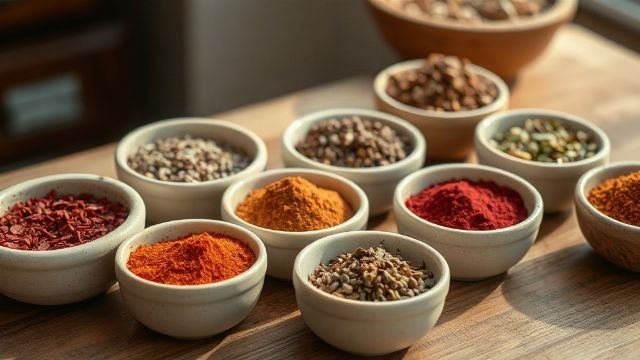
Bzar is a dry-roasted and ground blend of whole spices. While recipes vary from household to household, common ingredients include black peppercorns, cumin seeds, coriander seeds, cinnamon, cardamom, cloves, dried red chillies, turmeric and sometimes fennel or dried lime. The spices are lightly toasted to release their oils, then ground into a fine powder. The result is a warm, earthy and slightly peppery mix with a deep golden colour from the turmeric.
The word 'bzar' comes from the Arabic for 'spices' or 'seasoning', and in the Gulf it refers specifically to this prepared blend rather than individual spices. It is a practical tradition: having a ready-made mix saves time and ensures a consistent flavour in everyday cooking.
How is bzar used?
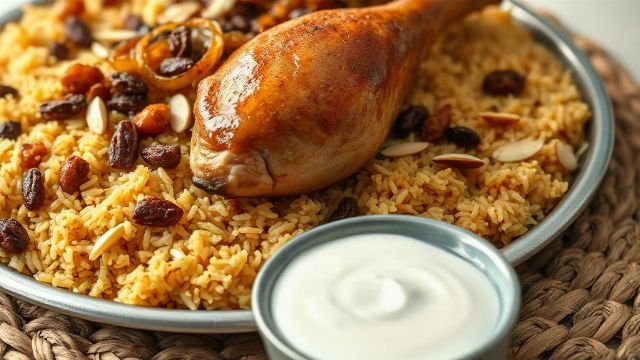
Bzar is most famously used in machboos, the Gulf's beloved spiced rice dish, where it lends its characteristic hue and aroma. It also seasons saloona (a tomato-based stew), harees (a wheat and meat porridge), and margooga (a thin bread cooked in stew). A spoonful can elevate simple grilled fish or chicken, and it is sometimes rubbed onto meat before roasting or grilling.
To use bzar, add it early in the cooking process – typically after onions and garlic have softened – so the spices can bloom in the oil. For rice dishes, stir it into the cooking liquid before adding the rice, allowing the grains to absorb both colour and flavour. Because it is already ground, it needs only a short cooking time; too much heat for too long can make it bitter.
Regional variations
Each Gulf country – and indeed each family – has its own version of bzar. In Kuwait, it may include dried ginger and black lime for a tangier note. Emirati bzar often leans heavily on black pepper and cumin, while Omani blends might include more cardamom and a touch of saffron. Saudi versions sometimes add dried coriander and a hint of smoked paprika. The heat level varies too, depending on the amount of dried chilli used.
While commercial bzar is available in many supermarkets, many home cooks still prefer to make their own, adjusting the proportions to suit their taste. Making bzar is straightforward: lightly toast whole spices in a dry pan until fragrant, cool, then grind to a powder. Store it in an airtight container away from light, and it will keep its potency for several months.
A taste of hospitality
Beyond its culinary role, bzar carries cultural meaning. In Gulf hospitality, serving a well-spiced dish is a sign of generosity and care. The blend's warm, inviting aroma is often the first thing guests notice when entering a home, signalling that a meal has been prepared with thought. Learning to use bzar is a simple way to bring a taste of the Gulf into your own kitchen, whether you are cooking a traditional feast or simply seasoning a weeknight dinner.