Batheeth: A Guide to the Gulf's Date and Roasted Flour Sweet
This traditional Emirati treat combines roasted flour, sweet dates and warming spices into a simple, no-bake confection that pairs perfectly with Arabic coffee.
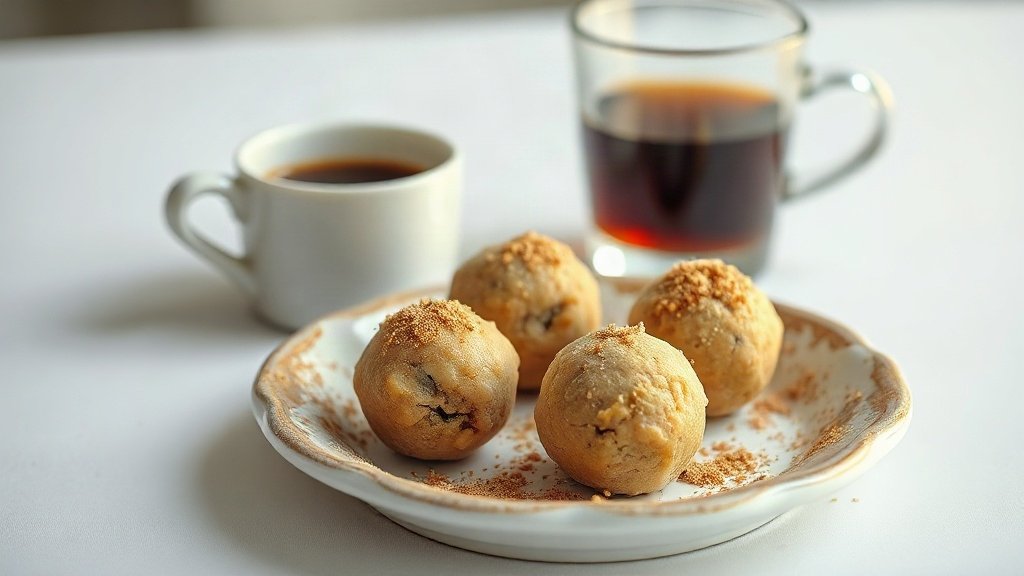
Illustration: AI-generated image
Batheeth (also spelled Batheetha) is a beloved sweet from the United Arab Emirates and other parts of the Arabian Gulf. Made from just a handful of humble ingredients, it transforms roasted flour, sticky dates and aromatic spices into a dense, fudgy treat that has been enjoyed for generations, especially during Ramadan and Eid celebrations.
What is Batheeth?
At its heart, Batheeth is a simple no-bake confection. Whole wheat flour is dry-roasted until it takes on a deep, nutty flavour and a light brown colour. This roasted flour is then combined with a paste of pitted dates, often with the addition of ground cardamom, and sometimes a little ghee or butter to bind and enrich. The mixture is kneaded and shaped into small balls, logs, or flat discs. The result is a sweet, chewy bite with a satisfying crumbly texture and a warm, spiced aroma.
Dates are the primary sweetener, so Batheeth contains no added sugar beyond the natural sugars of the fruit. Depending on the variety of dates used, the flavour can range from delicately caramel-like to intensely sweet and molasses-rich. Some versions include crushed nuts such as almonds or pistachios for extra crunch, or a sprinkle of sesame seeds on the outside.
How is Batheeth Made?
While recipes vary from family to family, the basic method is wonderfully straightforward. First, whole wheat flour is toasted in a dry pan over low heat, stirred constantly until it becomes fragrant and turns a shade or two darker. This step is crucial, as it removes the raw taste of the flour and adds a toasty depth. The flour is then left to cool completely.
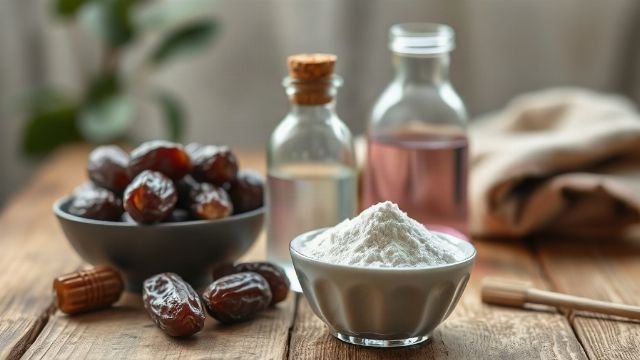
Next, soft dates (such as Khalas or Sukkari) are pitted and mashed into a smooth paste. In a large bowl, the cooled roasted flour is combined with the date paste, along with ground cardamom and a little melted ghee. Everything is kneaded together until it forms a cohesive dough. From there, the dough is simply rolled into small balls or pressed into a tray and cut into squares. No baking, no fuss — just a little elbow grease.
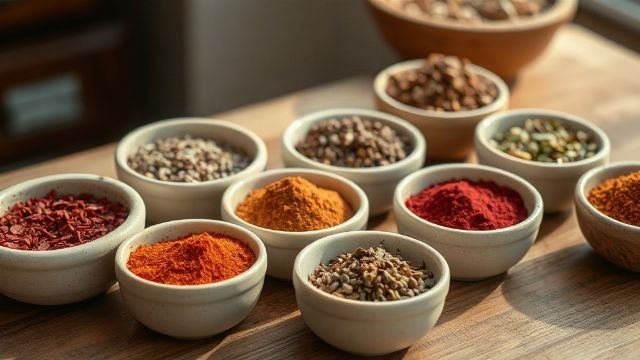
Some cooks toast the flour with a small amount of oil or ghee for extra richness, while others prefer to keep it completely fat-free. The cardamom is essential; its floral, citrusy notes cut through the sweetness and give Batheeth its signature aroma. A pinch of saffron or a dash of rose water can also be added for special occasions.
How to Enjoy Batheeth
Batheeth is traditionally served alongside Arabic coffee (gahwa). The bitterness of the coffee balances the intense sweetness of the dates, making the combination a perfect end to a meal or a welcome pause during the day. It is often presented on a platter with other sweets during Eid gatherings, and it also makes a wonderful energy-boosting snack due to its high date content.
Because it keeps well at room temperature for several days, Batheeth is an ideal make-ahead treat. Store it in an airtight container and it will retain its texture and flavour. For a more indulgent version, some people roll the balls in shredded coconut or dip them in melted chocolate, but the classic preparation remains a cherished taste of Gulf hospitality.