Qoozi: A Guide to the Gulf's Festive Stuffed Lamb
Slow-roasted lamb stuffed with spiced rice, nuts and raisins is a centrepiece of Gulf celebrations. Learn what makes qoozi special and how it is traditionally prepared and served.
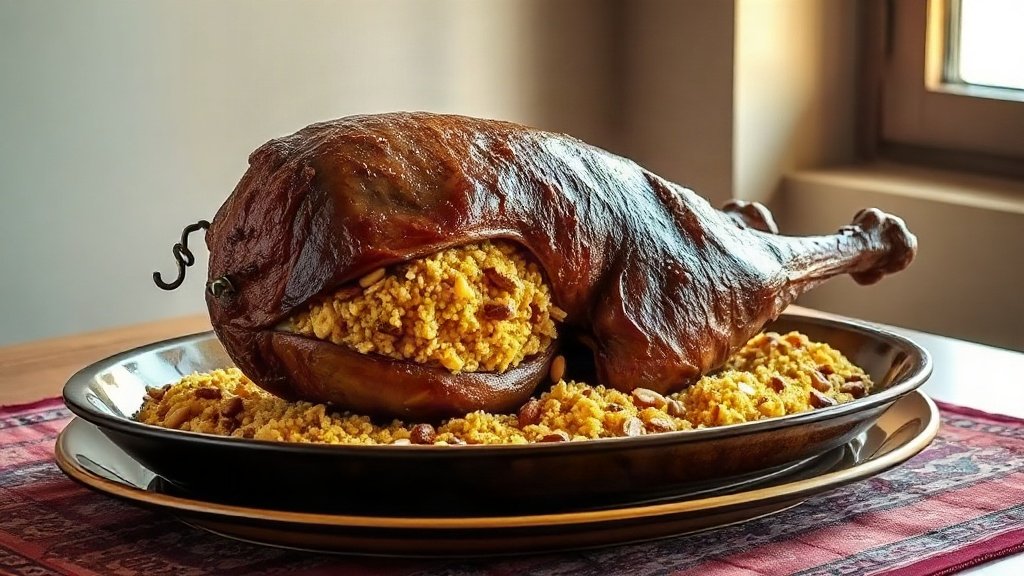
Illustration: AI-generated image
At weddings, Eid gatherings and major family celebrations across the Gulf, one dish often takes pride of place: qoozi. This impressive centrepiece features a whole lamb, slow-roasted until tender, with a fragrant rice stuffing and a generous garnish of nuts and dried fruit. While the name and exact spicing vary from one country to another, the idea remains the same — a dish that symbolises hospitality and abundance.
What is qoozi?
Qoozi (also spelled quzi, ghoozi or qouzi) is a festive meat dish popular in Iraq, Kuwait, Bahrain, Qatar, the UAE and parts of Saudi Arabia. It consists of a whole lamb that is marinated, stuffed with spiced rice, and then roasted slowly until the meat is fall-off-the-bone tender. The rice inside absorbs the lamb's juices during cooking, becoming rich and flavourful.
The dish is thought to have roots in Mesopotamian cooking traditions, but over centuries it has become firmly embedded in Gulf culinary culture. Each country and even each family may add its own touch, but the core elements remain constant: lamb, rice, spices and a lavish presentation.
Traditional preparation
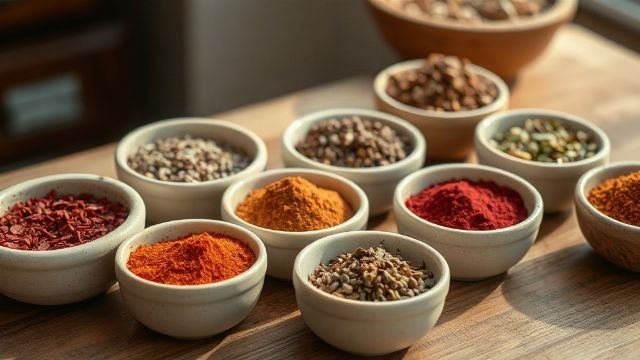
The process begins with a whole lamb, which is cleaned and then marinated for several hours or overnight. The marinade typically includes a blend of warm spices such as cardamom, cinnamon, cloves, black pepper and sometimes dried lime (loomi). In many recipes, the lamb is rubbed with a paste made from garlic, ginger and spices, and sometimes a little yoghurt to help tenderise the meat.
For the stuffing, long-grain rice such as basmati is partially cooked with more spices, then mixed with nuts — usually almonds and pine nuts — and raisins or sultanas. The rice mixture is packed into the lamb's cavity, which is then sewn or secured with skewers to keep the stuffing inside during roasting.
Traditional cooking methods vary. In some Gulf households, the stuffed lamb is placed in a large underground clay oven (tannour) or a sealed pit, similar to the technique used for madfoon. In modern kitchens, it may be roasted in a conventional oven at a low temperature for several hours. Regardless of method, the goal is slow, gentle cooking so the meat becomes succulent and the rice fully absorbs the lamb's flavour.
How qoozi is served
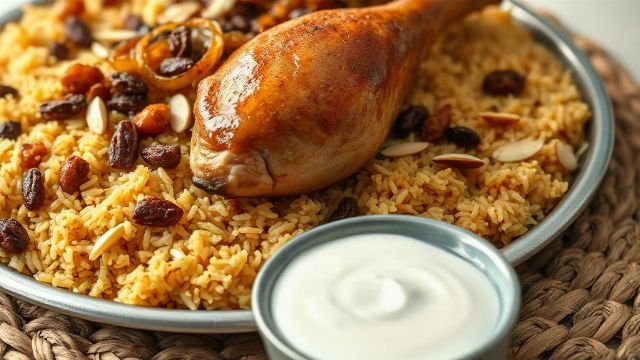
Once cooked, the lamb is usually presented whole on a large platter, often resting on a bed of extra rice. The stuffing rice is removed and served alongside, and the entire dish is garnished with a generous scattering of toasted nuts, raisins, and sometimes boiled eggs. Some cooks add a drizzle of ghee or a sprinkle of chopped fresh herbs for extra richness and colour.
Guests traditionally eat qoozi with the right hand, using pieces of flatbread or simply their fingers to scoop up rice and meat. The dish is meant for sharing, and it is considered polite to offer the choicest pieces — such as the shoulder or ribs — to elders and honoured guests.
Variations across the Gulf
While the basic concept is the same, regional differences appear in the spice blend and accompaniments. In Iraq, qoozi often includes a sweeter rice with more dried fruit and may be served with a tomato-based sauce. In Kuwait and Bahrain, the stuffing is sometimes enriched with chickpeas or split peas. In the UAE and Qatar, the dish may be called ghoozi and is often cooked with a stronger flavour of cardamom and saffron. Saudi versions might use a spicier marinade, sometimes with a hint of chilli, though the overall profile remains aromatic rather than hot.
Some families prepare a simpler version using lamb shoulder or leg instead of a whole animal, especially for smaller gatherings. The cooking time is shorter, but the same principles of marinating, stuffing and slow roasting apply.
When qoozi is eaten
Qoozi is reserved for special occasions: weddings, Eid al-Fitr and Eid al-Adha, national holidays, and the arrival of important guests. Preparing a whole lamb is labour-intensive and requires planning, so it is not an everyday meal. For this reason, the dish carries strong associations with generosity and celebration.
If you are invited to a Gulf home and qoozi is served, consider it a mark of great hospitality. The host is treating you to one of the region's most cherished dishes, and part of the experience is the communal, unhurried atmosphere that surrounds it. Take your time, accept second helpings, and enjoy the blend of tender meat, fragrant rice and sweet-savoury garnishes that makes qoozi so memorable.