Kleeja: A Guide to the Gulf's Date-Filled Cookies
Kleeja is a beloved sweet cookie from the Gulf, stuffed with dates, nuts or spices. Learn how it's made, its cultural roots and the best ways to enjoy it.
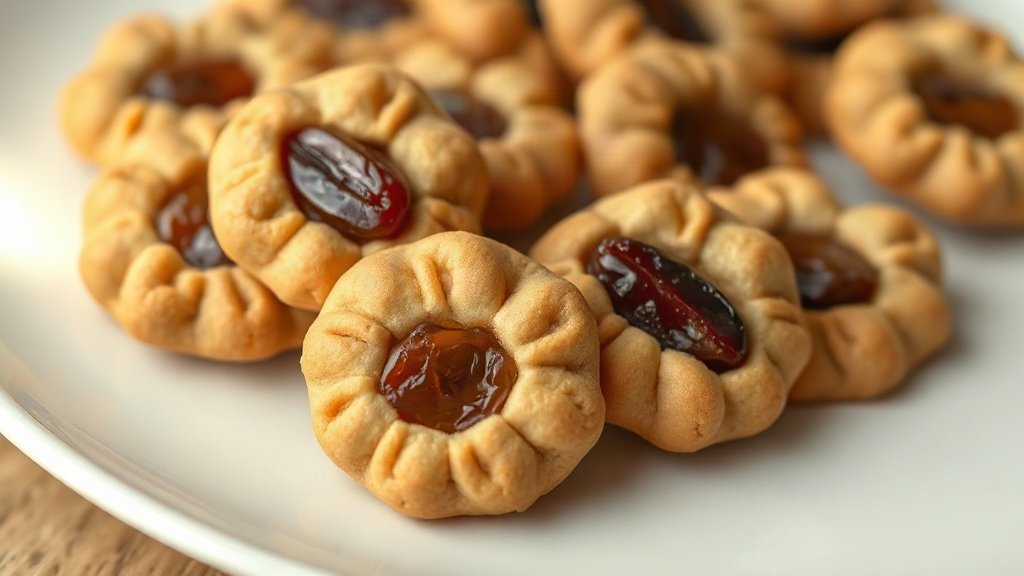
Illustration: AI-generated image
Walk into a Gulf home during Eid, Ramadan or a family gathering and you may be offered a small, golden-brown cookie with a delicate pattern and a sweet, spiced filling. That is kleeja (also spelled kleicha, kileche or klaicha), a traditional biscuit that has been part of the region's culinary heritage for generations.
What is Kleeja?
Kleeja is a filled biscuit, typically made from a simple dough of flour, butter or ghee, sugar and warm spices such as cardamom, fennel and cinnamon. The filling is most commonly a paste of dates, often blended with butter and spices, though variations with nuts (walnuts, pistachios or almonds) or coconut are also popular. After shaping, the cookies are baked until lightly golden, producing a crisp exterior and a soft, fragrant centre.
The name is thought to derive from the Arabic word khalīṭ, meaning "mixture", referring to the blend of ingredients in the dough or filling. The cookie is especially associated with Iraq and the eastern provinces of Saudi Arabia, but it is enjoyed across the Gulf states, each region adding its own twist.
Ingredients and Regional Variations
While recipes vary from family to family, the basic components remain consistent:
- Dough: Flour, sugar, ghee or butter, milk or water, plus a leavening agent. Some recipes include yeast for a softer texture.
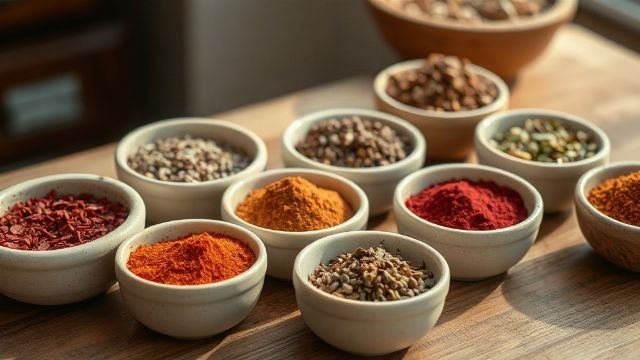
- Spices: Cardamom is essential, often joined by fennel, anise, cinnamon or a pinch of nutmeg.
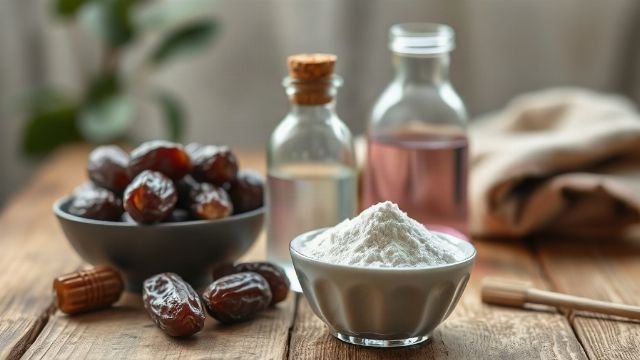
- Filling: Date paste is the classic choice, sometimes enriched with sesame seeds or rose water. Nut-based fillings with honey or sugar are common alternatives.
In Saudi Arabia's Eastern Province, kleeja is often made with a date paste seasoned with cardamom and black lemon (loomi), giving it a subtle tang. Iraqi versions may use a yeasted dough and include a filling of walnuts and sugar. Some bakers shape the cookies into rounds, while others form them into crescents or use moulds with traditional geometric patterns.
How Kleeja is Made
The process is straightforward but rewards patience. First, the dough is mixed and left to rest. Meanwhile, the filling is prepared by blending pitted dates with butter or ghee and spices until smooth. The dough is then rolled out and cut into circles, filled, and folded or pressed with a second circle of dough. A decorative fork or mould may be used to seal the edges and create a pattern. Finally, the cookies are baked in a moderate oven until they turn a light golden brown.
Because the dough contains a high proportion of fat, kleeja keeps well for several weeks when stored in an airtight container. This made it a practical sweet for travellers and for households preparing large batches ahead of festivals.
Serving and Enjoying
Kleeja is traditionally served with Arabic coffee (gahwa) or karak chai. The bitterness of the coffee balances the sweetness of the date filling, while the cardamom in both creates a harmonious pairing. It is also common to serve kleeja alongside fresh dates and other sweets on a hospitality tray.
The cookies are enjoyed year-round but take on special significance during Eid al-Fitr and Eid al-Adha, when families prepare large quantities to share with guests and neighbours. They are also a popular snack during the cooler winter months, often accompanied by a glass of milk or a cup of tea.
A Taste of Tradition
For those wanting to try kleeja at home, the ingredients are simple and widely available. Many recipes online and in Gulf cookbooks offer step-by-step guidance, and the cookie's forgiving nature makes it suitable for novice bakers. Alternatively, kleeja can be found in bakeries and sweet shops across the Gulf, particularly in Saudi Arabia's Eastern Province and in cities with large Arab communities abroad.
Whether homemade or shop-bought, kleeja offers a delicious window into the region's rich culinary heritage. Its combination of buttery dough, warm spices and sweet date filling is a reminder of how simple ingredients can create something truly memorable.