Mandi: A Guide to the Gulf's Smoky Rice and Meat Feast
Discover the traditional Arabian dish of mandi, where fragrant rice and tender meat are slow-cooked together for a smoky, aromatic meal.
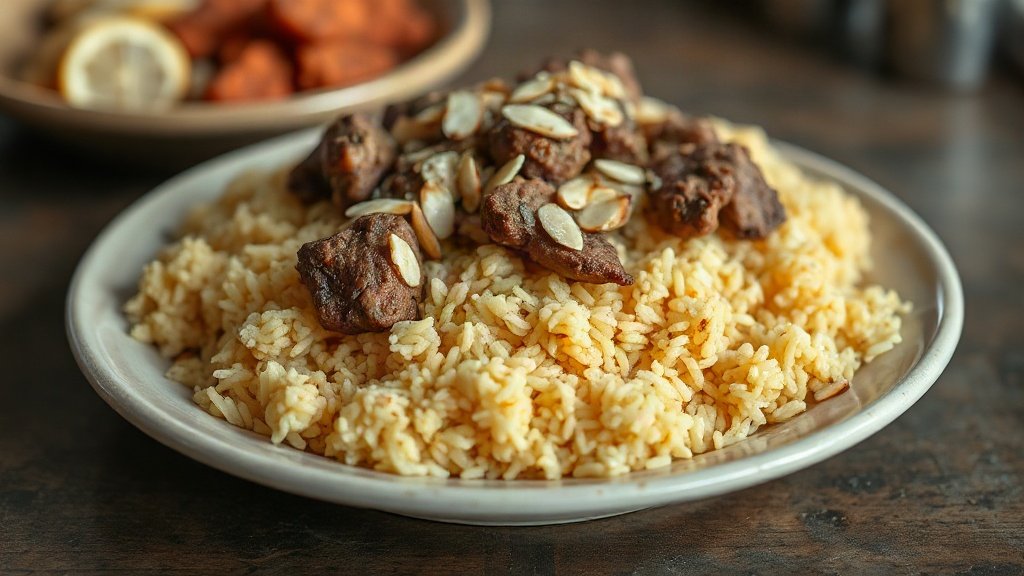
Illustration: AI-generated image
Across the Arabian Peninsula, few dishes command as much reverence as mandi. This celebratory feast of spiced rice and succulent meat, infused with the gentle smokiness of a traditional clay oven, is a cornerstone of Gulf hospitality. Whether served at weddings, family gatherings, or casual weekend meals, mandi brings people together around a shared platter of comfort and flavour.
What is Mandi?
Mandi is a rice dish that originated in Yemen and spread throughout the Gulf states, becoming a beloved staple in Saudi Arabia, the UAE, Qatar, and beyond. The name comes from the Arabic word nada, meaning 'dew', a nod to the moist, tender texture of the meat. Unlike other rice dishes such as machboos or kabsa, mandi is distinguished by its cooking method: the meat is suspended inside a tandoor (a cylindrical clay oven) while the rice cooks below, absorbing the meat's juices and a subtle smokiness from the charcoal or wood fire.
Key Ingredients and Spices
The essence of mandi lies in its aromatic spice blend, known as hawaij, which typically includes cumin, coriander, black pepper, cardamom, cloves, and cinnamon. Saffron or turmeric is often added to give the rice a golden hue. The meat is usually chicken, lamb, or goat, and it is marinated with the spices, garlic, and sometimes yoghurt before cooking. Long-grain basmati rice is preferred for its fluffy texture and ability to absorb flavours without becoming sticky.
How Mandi is Cooked
Traditional mandi is prepared in a tandoor, a deep clay oven heated with wood or charcoal. The marinated meat is placed on a rack inside the tandoor, while a pot of rice, seasoned with the same spices and meat broth, sits below. As the meat cooks, its fat and juices drip into the rice, enriching it with flavour. The tandoor's enclosed heat creates a gentle steam, keeping the meat moist and tender. At home, cooks often use a large pot with a tight-fitting lid and a wire rack to achieve a similar effect, placing the meat above the rice so the drippings season the grains.
Serving and Eating Mandi
Mandi is traditionally served on a large communal platter, with the rice mounded in the centre and the meat arranged on top. It is often garnished with fried onions, raisins, and slivered almonds. Diners typically eat with their right hand, using pieces of bread or scooping the rice and meat together. Accompanying condiments may include sahawiq (a spicy tomato and herb salsa), plain yoghurt, or a simple salad of tomatoes and cucumbers. The meal is frequently followed by Arabic coffee and dates as a gesture of hospitality.
Making Mandi at Home: A Simple Approach
While a traditional tandoor is ideal, home cooks can capture mandi's essence with a few practical tips. First, marinate the meat for at least a few hours—or overnight—with hawaij, garlic, and lemon juice. Use a heavy pot with a steamer insert or a metal rack to keep the meat above the rice. Cook over low heat so the steam circulates, and resist the urge to lift the lid too often, as this releases the aromatic steam. For a smokier flavour, place a small piece of lit charcoal on a piece of foil over the rice for a few minutes before serving. The result is a fragrant, deeply satisfying meal that embodies the warmth of Gulf cuisine.