A Guide to Rose Water in Gulf Cooking: The Floral Essence of Sweets and Drinks
Rose water is a cornerstone of Gulf cuisine, lending its delicate floral aroma to sweets, drinks and even some savoury dishes. Discover how it's made, how to use it and why it belongs in your pantry.
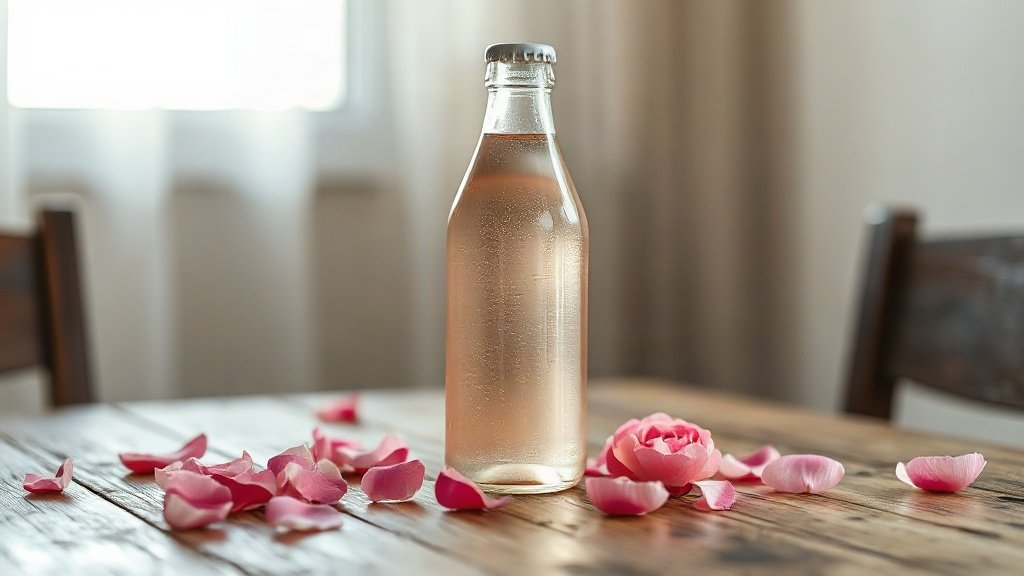
Illustration: AI-generated image
Rose water is one of the most evocative ingredients in Gulf kitchens. A few drops can transform a simple syrup into something fragrant and luxurious, lending a delicate floral note to sweets, drinks and even some savoury dishes. Distilled from fresh rose petals, it has been used across the Arab world for centuries, not only in cooking but also in perfumery and traditional hospitality.
In the Gulf, rose water (known locally as ma ward) is a staple in many households, particularly during festive occasions and Ramadan. It pairs beautifully with other aromatic ingredients like saffron, cardamom and orange blossom water, creating the signature flavour profile of Gulf desserts.
How Rose Water Is Made
Rose water is produced through steam distillation. Fresh, fragrant rose petals — often from Damask roses — are placed in a still with water. As the water heats, steam passes through the petals, capturing their essential oils. The steam is then cooled and condensed, yielding a clear liquid with an intensely floral aroma.
Traditional methods in the Gulf and wider Middle East have remained largely unchanged for generations. Some families still make rose water at home using simple copper stills, while commercial producers refine the process for consistency. The quality of rose water depends on the variety of roses used and the concentration of essential oils.
Culinary Uses in Gulf Cuisine
Rose water is most commonly associated with sweets. It is added to sugar syrups drizzled over desserts like luqaimat and basbousa, stirred into milk puddings such as mahalabiya, and mixed into doughs for cookies and cakes. A few drops can also elevate a simple fruit salad or a bowl of fresh dates.
Beyond desserts, rose water is used to flavour refreshing drinks. A classic sharbat — a chilled rose water and sugar syrup diluted with water or milk — is a popular thirst-quencher during summer. It can also be added to lemonade or iced tea for a floral twist. Some savoury rice dishes, particularly in Iranian-influenced Gulf cooking, call for a teaspoon of rose water to add subtle fragrance.
How to Use Rose Water at Home
Because rose water is potent, a little goes a long way. Start with a quarter teaspoon and adjust to taste. Here are a few simple ways to incorporate it into your cooking:
- Desserts: Add a teaspoon to custards, rice puddings or whipped cream.
- Syrups: Mix equal parts sugar and water, simmer until dissolved, then add rose water to taste before drizzling over pancakes or fresh fruit.
- Drinks: Stir a teaspoon into a glass of cold milk, lemonade or sparkling water.
- Baking: Add to cake batters, shortbread or icing for a delicate floral flavour.
Buying and Storing Rose Water
When purchasing rose water, look for products that list rose distillate or rose water as the main ingredient, without artificial flavours or colours. Traditional Middle Eastern brands are widely available in Gulf supermarkets and specialty stores. Rose water should be stored in a cool, dark place, tightly sealed. It keeps well for a long time, though the aroma may fade if exposed to heat or light.
Whether you are preparing a festive spread or simply want to add a touch of elegance to your everyday cooking, rose water is a versatile and inexpensive way to bring the fragrance of the Gulf into your kitchen.