Maleh: A Guide to the Gulf's Salted Dried Fish
Maleh, the Gulf's intensely savoury salted and dried fish, is a centuries-old preservation technique that adds depth to rice dishes, stews and even salads. Here's how to use it.
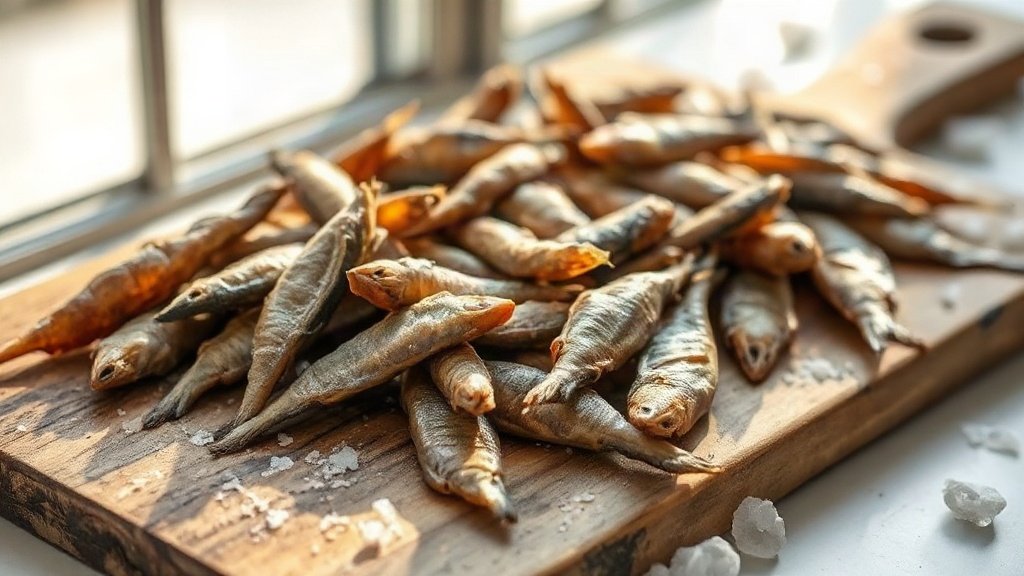
Illustration: AI-generated image
Before refrigeration, the people of the Arabian Gulf relied on the sun, salt and sea breeze to preserve their daily catch. The result was maleh – small fish, usually sardines or anchovies, that are salted and left to dry until they develop a deep, intensely savoury flavour. Today, maleh remains a cherished ingredient in Emirati and Omani cooking, prized for its ability to transform simple rice dishes and stews into something memorable.
What is maleh?
Maleh, which translates to 'salted' in Arabic, is a traditional preserved fish. The process is straightforward: fresh small fish are cleaned, layered generously with coarse sea salt, and left to cure for several days. They are then dried in the sun and open air until they become firm and leathery. The result is a concentrated, umami-rich product that can be stored for months without refrigeration.
The flavour is bold and salty, with a distinct fishiness that softens and mellows when cooked. Maleh is not eaten raw like some other cured fish; it is always used as a seasoning ingredient, adding depth to dishes much like anchovies do in Mediterranean cooking.
How maleh is used in Gulf kitchens
Maleh is incredibly versatile. Here are some of the most common ways it appears in traditional Gulf cuisine:
- Maleh machboos: A variation of the classic spiced rice dish, where flaked maleh is added to the rice along with onions, tomatoes and spices. The fish infuses the rice with a savoury, briny note.
- Maleh saloona: A comforting stew made with vegetables, tomato broth and pieces of maleh. The fish rehydrates slightly during cooking, becoming tender and adding richness.
- As a condiment: Finely chopped or pounded maleh is sometimes mixed with lime juice, chilli and onion to make a pungent relish served alongside grilled meats or fresh bread.
- In salads: Small amounts of crumbled maleh can add a salty kick to simple tomato and cucumber salads, much like feta or olives.
Because maleh is very salty, it is rarely used on its own. A little goes a long way, and most recipes call for rinsing or soaking the fish briefly to remove excess salt before cooking.
Buying and storing maleh
Maleh is sold in traditional souqs and some supermarkets across the UAE, Oman and other Gulf states. It is usually available whole or in pieces, often packed in plastic or cloth. When buying, look for fish that are dry but not brittle, with a clean, briny smell – avoid anything that smells overly rancid or ammoniated.
Stored in an airtight container in a cool, dry place, maleh will keep for several months. Some cooks prefer to refrigerate it to extend its shelf life. If you have bought a large quantity, you can also freeze it, but the texture may soften slightly upon thawing.
A taste of Gulf heritage
Maleh is more than just a preserved food; it is a link to the seafaring traditions of the Gulf. Before modern supply chains, fishing communities relied on this technique to ensure a protein source during lean months. Today, while fresh fish is abundant, maleh endures as a nostalgic flavour – a reminder of simpler times and the resourcefulness of earlier generations.
For adventurous home cooks, maleh offers a way to add authentic Gulf character to familiar dishes. Start with a small amount in a rice pilaf or tomato-based stew, and you will understand why this humble dried fish has held its place in Gulf kitchens for centuries.