How to Reduce Your Electricity Bill in the Gulf: A Practical Guide
Air conditioning, lighting and appliances drive high energy use in the Gulf. Simple changes can lower your monthly bill without sacrificing comfort.
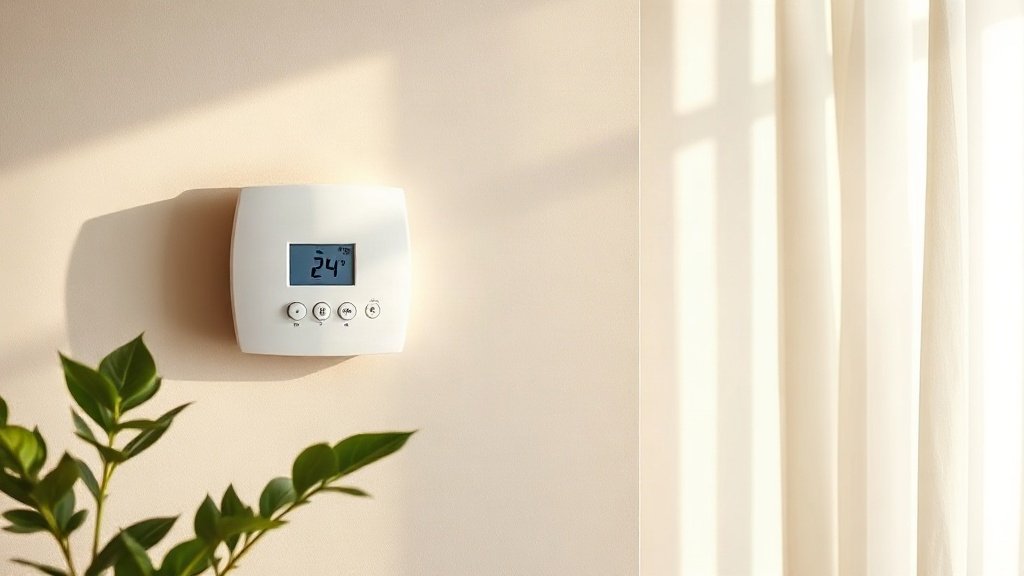
Illustration: AI-generated image
Living in the Gulf often means high electricity bills, especially during the long summer months when air conditioning runs almost constantly. The good news is that a few practical changes around your home can lead to noticeable savings without making you sweat. Here’s a room-by-room guide to cutting energy use and keeping more money in your pocket.
Air Conditioning: The Biggest Energy User
Your air conditioner is likely responsible for more than half of your electricity consumption. Set the thermostat to 24°C or 25°C – every degree lower can increase cooling costs by up to 5%. Use the ‘auto’ fan setting rather than ‘on’ so the fan stops when the compressor does. Clean or replace AC filters every month; a clogged filter forces the unit to work harder. If you have a programmable thermostat, set it to raise the temperature by 3–4°C when you’re out or asleep. Close curtains or blinds during the hottest part of the day to keep solar heat out. And remember to service your AC unit at least once a year to keep it running efficiently.
Lighting: Switch to LED and Use Natural Light
Replace all incandescent and halogen bulbs with LED alternatives. LEDs use up to 75% less energy and last 25 times longer. Take advantage of daylight by opening curtains in the morning and evening when the sun is lower. In rooms where lights are often left on, consider motion sensors or timers. For outdoor lighting, choose solar-powered fixtures – they charge during the day and need no electricity at night.
Appliances: Use Them Wisely
When buying new appliances, look for the highest energy efficiency rating – in the Gulf, this is often a 5-star or A+++ label. Run washing machines and dishwashers only with full loads, and use cold water for laundry whenever possible. Avoid using the dryer; hang clothes outside or on a drying rack indoors. In the kitchen, use a microwave or toaster oven for small meals instead of the large oven. Unplug electronics when not in use – many devices draw power even when switched off, a phenomenon known as ‘phantom load’. Use power strips to easily disconnect multiple devices at once.
Insulation and Windows: Keep the Heat Out
Good insulation is key to reducing cooling costs. Check the seals around doors and windows and replace worn weather stripping. If your windows are single-glazed, consider applying heat-reflective window film, which blocks a significant amount of solar heat. For villas, check roof insulation – adding or upgrading insulation can dramatically reduce heat gain. Landscaping can also help: plant trees or shrubs on the sunny side of your home to provide shade.
Smart Habits: Small Changes, Big Impact
Turn off lights when you leave a room, and encourage family members to do the same. Use ceiling fans along with AC – they create a wind-chill effect that makes you feel cooler, allowing you to set the AC a few degrees higher. Cook outdoors or use a barbecue during summer evenings to avoid heating the kitchen. Finally, monitor your electricity usage through your utility provider’s app or smart meter if available – many Gulf utilities offer detailed breakdowns that help you spot waste. By adopting these habits, you can easily cut your bill by 10–20% each month.