Building Business Networks in the Gulf: A Practical Guide
From chamber events to majlis-style gatherings, discover where and how to build the professional relationships that matter in the Gulf.
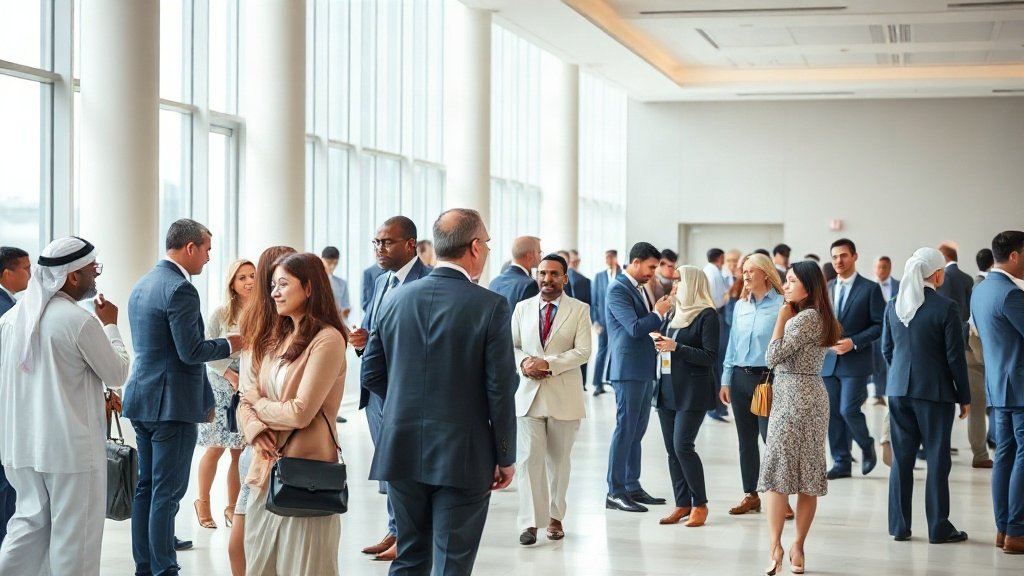
Illustration: AI-generated image
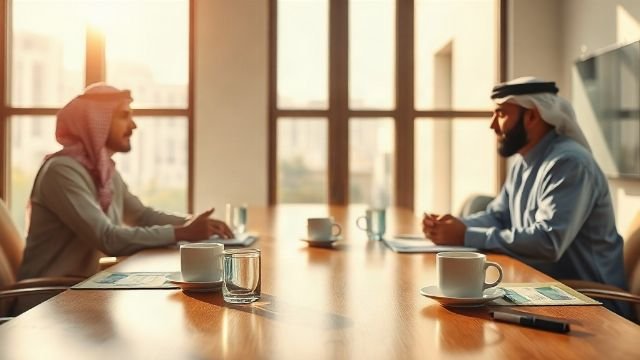
In the Gulf, business runs on relationships. A personal introduction or a face-to-face meeting often carries more weight than a cold email or a polished pitch. Building a strong professional network is therefore not just helpful—it is essential for anyone who wants to work, invest, or grow a business in the region. This guide explains where to find the right people, how to make a positive impression, and how to nurture connections that can open doors for years to come.
Where to Find Networking Opportunities
The Gulf offers a wide range of formal and informal settings for meeting business contacts. Chambers of commerce, such as those in Dubai, Abu Dhabi, Riyadh, and Doha, regularly host breakfast briefings, seminars, and industry roundtables. These events attract a mix of local business leaders, expatriate professionals, and government representatives, making them ideal for expanding your circle.
Industry-specific associations and professional groups—covering everything from finance and technology to logistics and healthcare—also organise regular meetups and conferences. Many are advertised on LinkedIn or through industry newsletters. Free zones, which host thousands of international companies, frequently hold networking sessions for their tenants and visitors.
Beyond formal events, co-working spaces and business incubators have become popular hubs for spontaneous networking. These venues often have communal areas and host informal gatherings, pitch nights, and workshops. Attending such events, even as a guest, can lead to valuable introductions.
Making a Good First Impression
First impressions in the Gulf are formed quickly, and they tend to stick. Dress conservatively and professionally: for men, a well-tailored suit or smart shirt and trousers; for women, modest business attire that covers shoulders and knees. Handshakes are common, but always wait for the other person to extend their hand first, especially when greeting someone of the opposite gender. In more traditional settings, a simple nod and a smile are perfectly acceptable.
Business cards are still widely exchanged. Hand yours over with your right hand, and take a moment to look at the card you receive before putting it away. This small gesture shows respect. If you are attending an event where Arabic is spoken, learning a few basic greetings—such as 'As-salamu alaykum' (peace be upon you) and 'Shukran' (thank you)—can go a long way.
Following Up: The Gulf Way
In many Western business cultures, a quick email after an event is standard. In the Gulf, follow-up is equally important but often benefits from a personal touch. A phone call or a message on a platform like WhatsApp (widely used for business communication in the region) can be more effective than a formal email. Reference something specific from your conversation to show genuine interest.
If you were introduced to someone by a mutual contact, it is customary to thank the introducer, preferably with a brief message or a small gesture. This acknowledges the role of wasta—the use of connections—which is a neutral and accepted part of doing business in the Gulf. Avoid being overly aggressive in follow-up; patience is valued.
Cultural Etiquette to Remember
Gulf business culture places a high value on personal relationships and trust. Before discussing business, take time for small talk about family, travel, or general well-being. Avoid sensitive topics such as politics or religion. Punctuality is appreciated, though meetings may start a few minutes late; be flexible and do not show frustration.
During Ramadan, the holy month of fasting, business hours change and many events are held after sunset. It is respectful to avoid scheduling meetings during prayer times and to be mindful of eating or drinking in public during daylight hours.
Building Long-Term Relationships
Networking in the Gulf is not about collecting the most business cards; it is about cultivating a smaller number of deeper, trust-based relationships. Regularly check in with your contacts, offer help when you can, and be reliable. Over time, these relationships can become the foundation of successful business ventures, as personal assurance often matters as much as contractual terms.
Finally, remember that your reputation travels fast in the Gulf's close-knit business communities. Conduct yourself with integrity and respect, and you will find that doors open more easily.