How to Start Arabic Calligraphy: A Beginner's Guide to the Art of Beautiful Writing
Arabic calligraphy is a timeless art form deeply rooted in Gulf culture. With the right tools and a little patience, anyone can begin learning this beautiful practice at home.
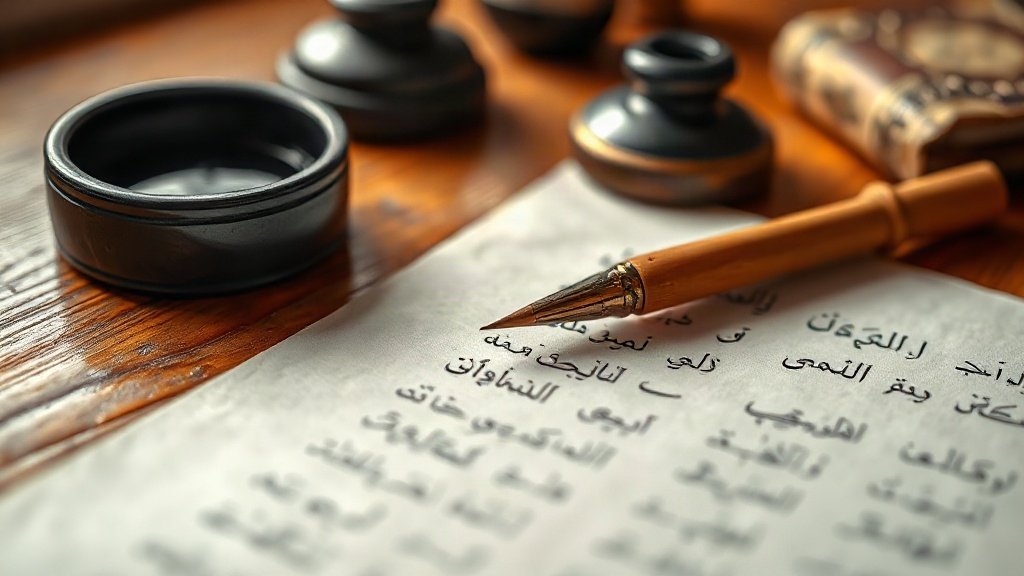
Illustration: AI-generated image
Arabic calligraphy is more than beautiful handwriting; it is a spiritual and cultural practice that has flourished across the Gulf for centuries. From the flowing curves of the Thuluth script to the geometric precision of Kufic, this art form decorates mosques, homes and public spaces throughout the region. For residents and visitors, learning calligraphy offers a meaningful way to connect with local heritage while developing a calming, meditative skill.
The cultural roots of Gulf calligraphy
In the Arab world, calligraphy has long been revered as the highest form of visual art, partly because it is used to transcribe the Qur'an. In the Gulf, traditional styles such as Naskh and Diwani have been taught in Qur'anic schools for generations. Today, calligraphy remains a living tradition, with workshops, exhibitions and community classes held across the region. Learning the basics at home is a respectful and rewarding way to engage with this heritage.
What you need to get started
You do not need expensive equipment to begin. A few simple tools will set you on the right path:
- Reed pen (qalam) – Traditional calligraphers use a dried reed cut at an angle. Bamboo pens or even a chisel-tip marker can work for beginners.
- Ink – Black ink is standard, but you can also use brown or coloured inks. Liquid Arabic calligraphy ink is widely available in stationery shops.
- Paper – Smooth, non-absorbent paper works best. Glossy or coated paper prevents the ink from bleeding and allows clean strokes.
- Ruler and pencil – Useful for drawing guidelines and ensuring consistent letter heights.
Learning the basic strokes
Arabic calligraphy is built from a set of fundamental strokes. Begin by practising dots, horizontal lines and vertical strokes. The dot, made by pressing the pen and lifting quickly, is the unit of measurement in many scripts. Once you can produce even dots and straight lines, move on to curves and loops. Keep your hand relaxed and let the pen glide across the paper. Consistency comes from repetition, not speed.
Choosing your first script
Beginners often start with Naskh, a clear and legible script used in print. It is easier to learn than the more decorative Thuluth or Diwani styles. Focus on mastering the isolated forms of each letter before attempting to join them. Many free online resources and practice sheets are available, and local art centres sometimes offer introductory courses.
Practical tips for steady progress
- Practise for 15–20 minutes daily rather than long, infrequent sessions.
- Keep a dedicated notebook to track your improvement.
- Study the work of master calligraphers, either in books or in local museums and galleries.
- Be patient with yourself; calligraphy is a discipline that rewards persistence over time.
Arabic calligraphy is a beautiful way to slow down and create something meaningful. Whether you hope to write your name artistically, copy a favourite verse or simply enjoy the rhythm of the pen, this ancient art offers a door into the heart of Gulf culture.