How to Make Harees: A Traditional Gulf Comfort Food
Learn to make harees, a creamy, slow-cooked wheat and meat dish beloved across the Arabian Gulf. This step-by-step guide covers ingredients, technique and serving traditions.
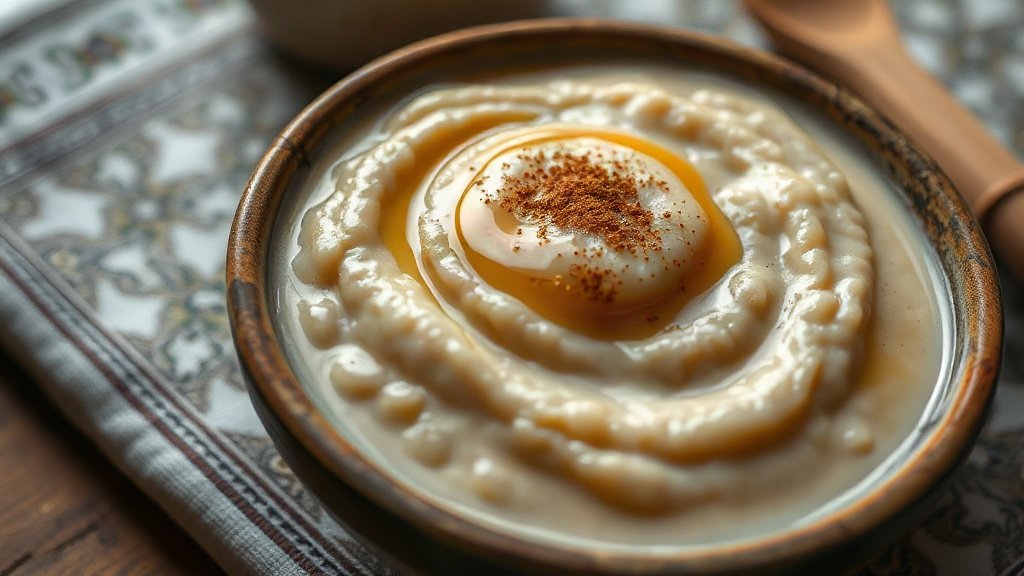
Illustration: AI-generated image
Harees is one of the Gulf’s most cherished dishes—a creamy, savoury porridge made from wheat and meat that has been simmered until completely tender. It appears on tables throughout the year, but especially during Ramadan, Eid and family celebrations, where its gentle texture and rich flavour offer comfort and nourishment. The name comes from the Arabic word for “pounded” or “crushed,” reflecting the traditional method of beating the wheat until it breaks down into a smooth, velvety consistency.
Making harees at home requires patience, but the result is deeply rewarding. This guide walks you through the classic method, with adjustments for modern kitchens.
Ingredients
- 1 cup whole wheat berries (sometimes sold as “harees wheat” or “jareesh”)
- 500 g boneless chicken or lamb, cut into chunks
- 1 small onion, finely chopped (optional)
- 1 teaspoon ground cinnamon
- 1/2 teaspoon ground cardamom
- Salt to taste
- 3–4 tablespoons ghee or clarified butter
- Water, as needed
Equipment
- Large heavy-based pot or pressure cooker
- Wooden spoon or whisk
- Blender or food mill (optional, for a smoother texture)
- Ladle
Step-by-Step Instructions
- Soak the wheat: Rinse the wheat berries thoroughly, then soak them in plenty of cold water for at least 6 hours, or overnight. This softens the grains and shortens cooking time.
- Cook the meat: In a large pot, combine the meat, onion (if using), cinnamon, cardamom and enough water to cover by 5 cm. Bring to a boil, then reduce the heat and simmer until the meat is very tender—about 45 minutes for chicken, or 1.5 hours for lamb. Skim off any foam that rises to the surface.
- Add the wheat: Drain the soaked wheat and add it to the pot with the meat and broth. Add more water if needed to cover the ingredients by about 2–3 cm. Bring back to a simmer and cook over low heat, stirring occasionally to prevent sticking, for 1.5 to 2 hours. The wheat should become very soft and start to break apart.
- Pound or blend: Traditionally, harees is beaten vigorously with a wooden spoon or a special tool called a midrab until the wheat releases its starch and the mixture becomes smooth and stretchy. You can replicate this by mashing the mixture against the side of the pot with a wooden spoon, or by using a hand blender for a silky texture. If the mixture is too thick, add a little hot water.
- Season and finish: Stir in salt to taste and 2–3 tablespoons of ghee. Continue to cook for another 10–15 minutes, stirring, until the harees is glossy and pulls away slightly from the sides of the pot.
- Serve: Ladle the harees into a shallow serving dish. Create a well in the centre and pour the remaining melted ghee into it. Sprinkle a little ground cinnamon on top if desired.
Serving Suggestions
Harees is traditionally eaten with the right hand, scooping up a small amount and shaping it into a ball before dipping it into the ghee. It is often served with dates, fresh herbs, lemon wedges and a side of Arabic coffee or tea. During Ramadan, it is a common dish for iftar, as it is easy to digest and provides sustained energy. For a heartier meal, serve harees with a simple salad or pickles.
Tips for Success
- Use whole wheat berries rather than cracked wheat for a more authentic texture. If you cannot find them, hulled barley can be substituted, though the result will differ slightly.
- For a quicker version, cook the soaked wheat separately in a pressure cooker for 20–30 minutes, then combine with the cooked meat and simmer for 15–20 minutes, mashing to the desired consistency.
- Harees thickens as it cools. If reheating, add a little water or broth and stir over low heat until it loosens.
- Leftovers keep well in the refrigerator for up to three days and can be frozen for a month.
A Dish for Every Occasion
Across the Gulf, harees is more than a meal—it is a symbol of generosity and togetherness. Large pots are often prepared for neighbourhood gatherings or to share with extended family. The act of pounding the wheat together was once a communal activity, with friends and relatives taking turns at the pot while chatting and sharing news. Learning to make harees at home is a wonderful way to connect with this living tradition, and the aroma filling your kitchen will make the effort worthwhile.