How to Wear a Ghutra: A Practical Guide to the Gulf's Iconic Headdress
From folding techniques to everyday care, here's how to wear and maintain the traditional headscarf worn across the Gulf.
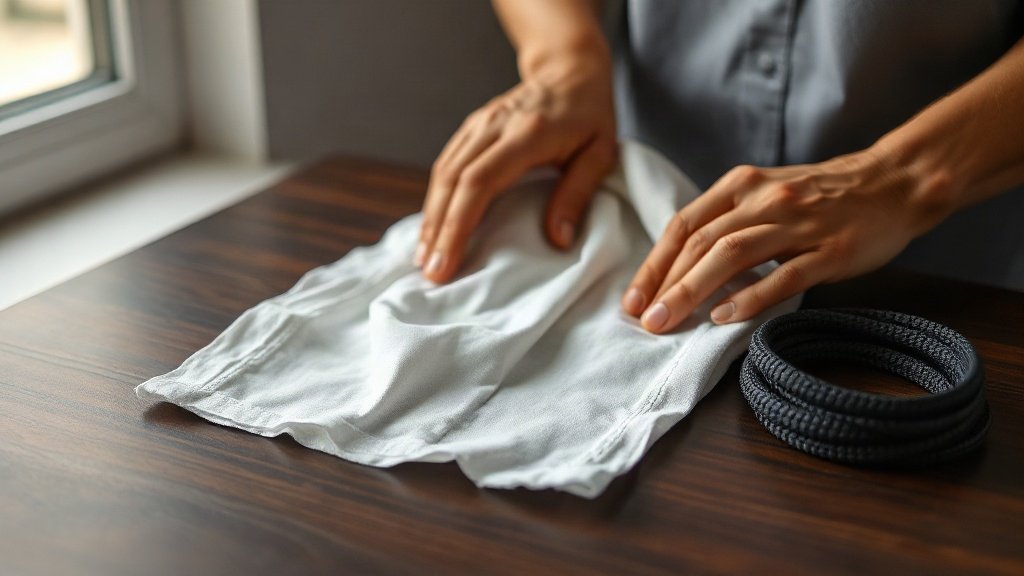
Illustration: AI-generated image
The ghutra is more than just a head covering; it is a symbol of Gulf heritage and practical desert wisdom. This square cotton or wool scarf, usually white or red-and-white checked, is worn by men in Saudi Arabia, the UAE, Qatar, Kuwait, Bahrain and Oman. Held in place by a black cord called an agal, the ghutra offers protection from sun and sand while remaining a key part of everyday dress and formal attire.
What Is a Ghutra?
The ghutra is a square piece of fabric, typically measuring about 110 by 110 cm. The two most common colours are plain white and the red-and-white checked pattern often called a shemagh. The fabric is usually lightweight cotton for summer or a heavier wool blend for winter. Traditionally, a small cap called a taqiyah is worn underneath to keep the ghutra from slipping.
How to Fold and Wear a Ghutra
There are several ways to fold a ghutra, but the most common method creates a simple triangular shape that drapes over the head and shoulders. Follow these steps:
- Lay the ghutra flat and fold it in half diagonally to form a triangle.
- Place the folded edge across your forehead, with the triangle pointing backwards.
- Bring the two ends over your shoulders so they hang evenly down your chest and back.
- Take the two ends and cross them once at the back of your neck, then bring them forward again.
- Adjust the drape so one end hangs slightly longer than the other, or tuck both ends under the front for a neater look.
- Place the agal over the top of the ghutra on your head, securing it firmly but not too tightly.
Some men prefer the 'cobra' style, where one end is thrown over the opposite shoulder, leaving the other end to hang down the back. This style is often worn for formal occasions or traditional events.
Caring for Your Ghutra
To keep your ghutra looking crisp and clean, follow these care tips:
- Hand wash in cold water with mild detergent, or use a gentle machine cycle in a laundry bag.
- Avoid bleach and fabric softeners, which can weaken the fibres and reduce the ghutra's stiffness.
- Iron on a low to medium heat while the fabric is still slightly damp, using steam if needed.
- Store folded in a drawer or on a hanger, away from direct sunlight to prevent fading.
With proper care, a good-quality ghutra can last for years, becoming softer and more comfortable over time.
Common Styles Across the Gulf
While the basic shape is the same, the way a ghutra is worn can vary subtly from country to country. In Saudi Arabia, the white ghutra is often paired with a plain white thobe and worn with the ends left loose. In the UAE and Qatar, men may favour a more structured look with the ends tucked in and the agal positioned higher on the head. The red-and-white shemagh is more common in Saudi Arabia and Kuwait, while Oman's traditional headscarf, the mussar, is often wrapped differently without an agal.
No matter the style, wearing a ghutra is a skill that improves with practice. It is a mark of respect for local culture and a practical addition to any wardrobe in the Gulf.