How to Export from the Gulf: A Practical Guide for Businesses
A step-by-step overview of exporting goods from Gulf countries, covering documentation, free zones, incentives and key considerations for first-time exporters.
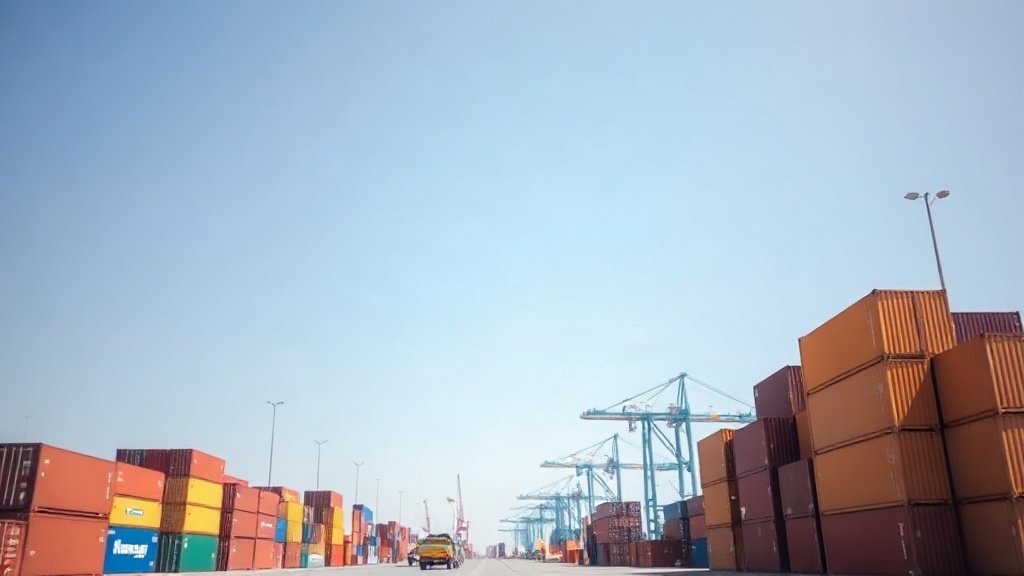
Illustration: AI-generated image
Exporting from the Gulf offers businesses access to global markets, supported by modern logistics hubs, free zones and government initiatives that encourage trade. Whether you are a manufacturer, trader or service provider, understanding the export process can help you expand beyond the region.
Who can export?
In most Gulf countries, any registered business with a valid trade licence can apply for export privileges. The specific requirements vary by country, but generally the business must be legally established, have a physical or registered address, and comply with local commercial regulations. Some countries require exporters to register with the relevant chamber of commerce or customs authority before shipping goods.
Key documentation
Exporting involves several standard documents. These usually include a commercial invoice, packing list, certificate of origin and a bill of lading or air waybill. Depending on the product and destination, you may also need export licences, health or phytosanitary certificates, or halal certification for food items. It is wise to check the importing country’s requirements early in the process to avoid delays.
Free zones and incentives
Many Gulf countries operate free zones that offer streamlined export procedures. Businesses based in free zones often benefit from 100% foreign ownership, full repatriation of profits and exemption from customs duties on goods entering and leaving the zone. These zones are particularly attractive for re-export activities, where goods are imported, processed or stored, and then shipped to other markets.
Export finance and support
Exporters can access various forms of support, including export credit agencies and financing programmes offered by local banks. Some governments provide export guarantees or insurance to reduce risk. Chambers of commerce frequently organise trade missions and provide market intelligence to help businesses identify opportunities abroad.
Logistics and shipping
The Gulf boasts world-class ports and airports, with major logistics hubs such as Jebel Ali in Dubai, Hamad Port in Qatar and King Abdulaziz Port in Dammam. Air cargo is often used for high-value or perishable goods, while sea freight is more economical for bulk shipments. Working with a reliable freight forwarder can simplify customs clearance and documentation.
Cultural and practical tips
Building relationships is important in Gulf business culture. Face-to-face meetings, patience and a respectful approach can open doors in new markets. It is also useful to understand the import regulations of target countries and to label products correctly, especially for the Arab region where Arabic labelling may be required.
Exporting can be a rewarding step for Gulf businesses. By preparing the right documents, leveraging free zones and tapping into available support, companies can successfully reach customers around the world.