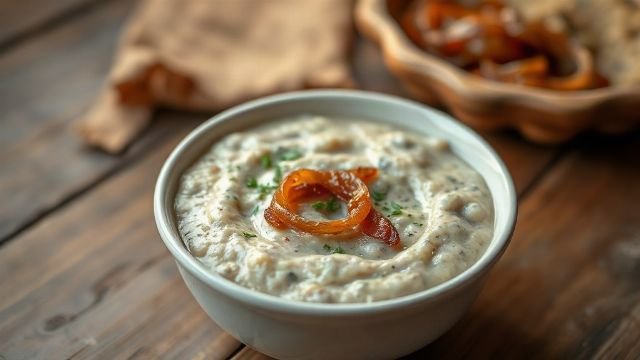
Harees: A Guide to the Gulf's Hearty Wheat and Meat Porridge
A slow-cooked blend of wheat and meat, harees is a beloved Emirati and Gulf dish with deep roots in tradition, especially during Ramadan and festive gatherings.

Illustration: AI-generated image
Harees is one of the most cherished dishes in Emirati and wider Gulf cuisine. Made from just two core ingredients — wheat and meat — it is slowly simmered until the grains break down into a smooth, creamy porridge. The result is a deeply comforting, savoury dish that has been a staple of family tables and festive occasions for generations.
What is Harees?
Harees (also spelled hariss or harissa, though not to be confused with the North African chilli paste) is a traditional dish found across the Arabian Peninsula. It is prepared by cooking coarsely ground wheat together with meat — usually chicken or lamb — until both are tender and fully integrated. The mixture is then beaten or stirred vigorously to achieve a uniform, porridge-like texture. Seasoning is typically minimal, often just salt and sometimes a touch of cinnamon or cardamom, allowing the natural flavours of the wheat and meat to shine.
How Harees is Made
The process begins with soaking wheat grains overnight to soften them. The meat is partially cooked, then combined with the wheat in a large pot. Water is added, and the mixture is simmered over low heat for several hours, stirred regularly to prevent sticking. Once the meat is falling apart and the wheat has disintegrated, the mixture is beaten with a wooden spoon or a special tool called a midhrab until it becomes smooth and stretchy. The finished harees has a thick, almost dough-like consistency that is both filling and soothing.
When is Harees Eaten?
Harees is a dish of hospitality and celebration. It is especially prominent during the holy month of Ramadan, where it is often served at iftar to break the fast, providing slow-release energy. It is also a common feature at Eid gatherings, weddings, and other communal meals. In the UAE, harees is considered a national dish and is frequently prepared in large quantities to share with neighbours and family.
Serving and Enjoying Harees
Traditionally, harees is served on a large platter, drizzled with samneh (clarified butter) or ghee, and sometimes garnished with a sprinkle of ground cinnamon or fried onions. It is eaten with the right hand, using flatbread or simply scooped up. The dish pairs well with dates, yoghurt, and a cup of Arabic coffee. In many homes, harees is cooked in bulk and frozen in portions, making it a convenient meal during the week or for unexpected guests.
Variations Across the Gulf
While the basic method remains the same, there are regional differences. In some areas, harees is made with a higher ratio of meat to wheat, resulting in a richer, more intensely flavoured dish. In others, it is cooked until very smooth and almost pudding-like. Some families add a pinch of saffron or rose water for a subtle fragrance, though purists keep it simple. Regardless of the variation, harees remains a symbol of generosity, comfort, and shared meals across the Gulf region.