How to Choose a Family Car in the Gulf: A Practical Guide
From battling the heat to carrying growing families, here's what to look for when buying a car for Gulf roads.
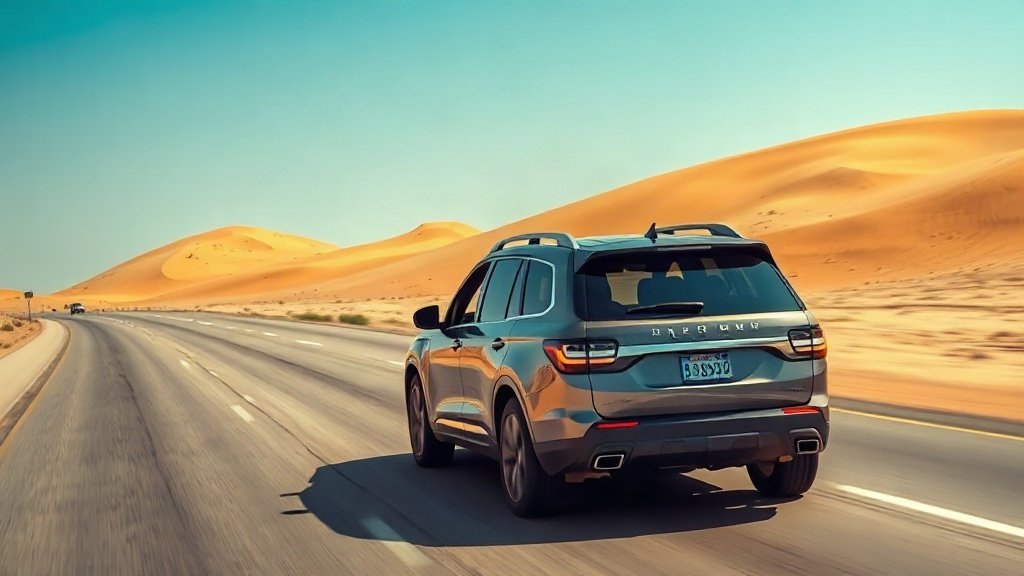
Illustration: AI-generated image
Choosing a family car in the Gulf involves more than just picking a colour. The region’s extreme heat, long distances between cities and dust-filled air mean that practical features matter more than style. Here is a straightforward guide to help you find a vehicle that keeps your family safe, comfortable and within budget.
Start with your family’s core needs
List who will use the car daily, how many children you need to transport and whether you often carry grandparents or visitors. If you have three or more children, you may need a seven-seat vehicle or a spacious SUV. For smaller families, a mid-size saloon or crossover may be enough. Also think about where you drive most: city traffic, open highways or occasional desert tracks.
Make air conditioning a priority
Summer temperatures in the Gulf regularly pass 45°C, so a powerful, reliable air-conditioning system is non-negotiable. Look for rear air vents so back-seat passengers cool down quickly. Check whether the AC cools the car after sitting in the sun and how well it performs at high engine loads. Tinted windows are also worthwhile to reduce glare and heat.
Prioritise safety technology
Modern family cars often come with features like electronic stability control, multiple airbags and rear parking sensors. These are especially useful on busy Gulf highways and in tight school drop-off zones. If you often drive at night or in fog, consider models with good headlights and fog lamps.
Think about space and flexibility
A growing family needs boot space for pushchairs, school bags and shopping. Check that child seats fit easily and that there is enough legroom for teenagers. Folding rear seats can add versatility for bigger loads.
Calculate running costs and resale value
Fuel is relatively cheap in the Gulf, but fuel economy still affects your monthly budget. Insurance costs vary with engine size and vehicle type, so check before you buy. Some cars hold their resale value better than others locally; ask around or look at used-car listings to see which models are in demand.
Take a thorough test drive
Drive on both city streets and a highway, and if possible, on a rough road. Listen for rattles, test the brakes and check visibility from all seats. Bring the whole family to see how they fit. Only after this should you negotiate the price with confidence.