How to Use Public Transport in the Gulf: A Practical Guide to Getting Around Without a Car
From metro cards to etiquette, here's what you need to know about using buses, trams and trains across the Gulf's major cities.
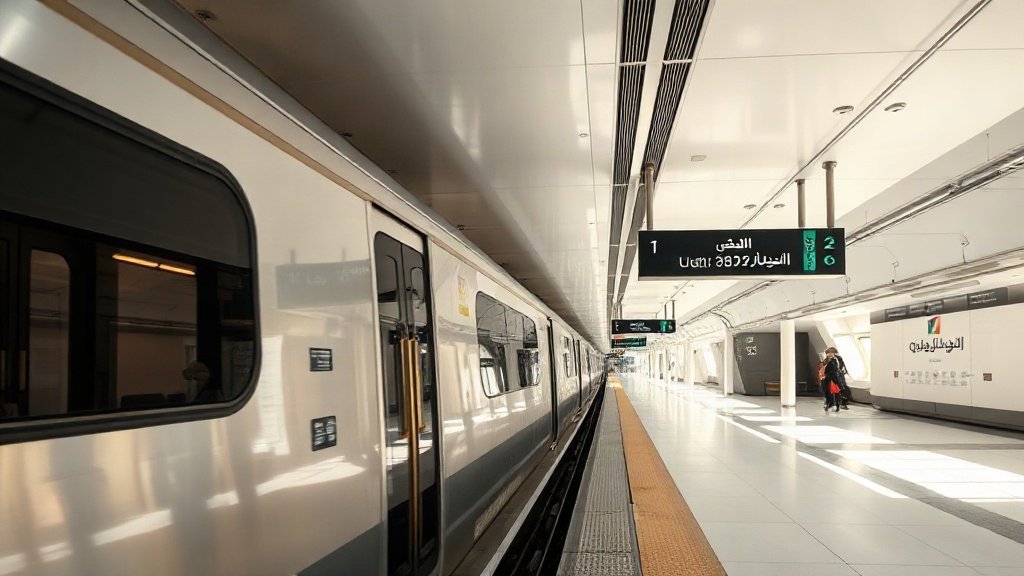
Illustration: AI-generated image
For many residents of the Gulf, life revolves around the car. But as cities expand and traffic grows, public transport is becoming an increasingly practical, affordable and comfortable way to get around. Whether you are new to the region or simply want to reduce your driving, this guide explains how to navigate the metro, tram and bus networks across the Gulf's major cities.
Know your network
The Gulf is home to some of the world's most modern public transport systems. Dubai's metro and tram are well established, while Doha's metro has rapidly expanded since its launch. Riyadh's metro is being rolled out in phases, and Abu Dhabi, Kuwait City, Manama and Muscat all operate extensive bus networks. Jeddah's new bus system connects key districts, and many cities are adding new lines every year.
Most systems are integrated, so a single journey may combine a metro ride with a short bus trip. Stations are air-conditioned, clean and clearly signed in both Arabic and English, making them easy to navigate even for newcomers.
Payment and cards
Almost every Gulf city uses a contactless smart card for public transport. In Dubai it is the Nol card; Doha uses the Karwa Smart Card; Riyadh has its own card for the metro and buses. These cards can be purchased at stations, from vending machines or online, and they can be topped up with credit or a daily/weekly pass.
Fares are distance-based, and you must tap in and out at station gates or on bus readers. Children, students and seniors often receive discounted fares, so check if you are eligible. Some cities also offer a combined card for parking and transport, useful for park-and-ride commuters.
Women and families
Many Gulf metros and trams have dedicated women-and-children carriages, usually located at one end of the train. These are clearly marked with pink signage and are intended to provide a comfortable space for female passengers and families. Men are not permitted to enter these carriages, and fines may apply. Families with young children are also welcome in general carriages, but many prefer the dedicated space during busy times.
Etiquette and rules
Public transport in the Gulf is quiet, clean and orderly. Eating, drinking and chewing gum are not allowed on trains or buses, and littering is strictly fined. Loud phone conversations are discouraged; many people use headphones or set their phones to silent. Priority seating is reserved for people with disabilities, pregnant women and the elderly, so always offer your seat if needed.
During peak hours, trains can become crowded, so it is polite to let passengers exit before boarding. Luggage is allowed but must not block aisles, and bicycles are usually permitted only at certain times or in designated areas. If you are travelling with a stroller, look for wheelchair-accessible gates and lifts at stations.
Tips for first-timers
- Plan your route: Use official apps such as RTA Dubai, Mowasalat Qatar or city-specific journey planners to check timings, connections and service updates.
- Arrive early: Give yourself extra time, especially during peak hours or if you are unfamiliar with the station layout.
- Stay cool: All stations and vehicles are air-conditioned, but platforms can be warm in summer. Carry water and wear light clothing.
- Park and ride: Many metro stations have large free or low-cost car parks, making it easy to drive part of the way and then switch to public transport.
- Respect local customs: Dress modestly, keep your voice down, and be mindful of personal space, especially in mixed-gender areas.
Once you master the basics, public transport in the Gulf can save you money, reduce stress and give you a new perspective on the cities you call home.