Failaka Island: A Practical Guide to Kuwait's Historical Island Getaway
Just a short ferry ride from Kuwait City, Failaka Island offers Greek ruins, a glimpse of pre-oil Kuwait, and peaceful shoreline walks.
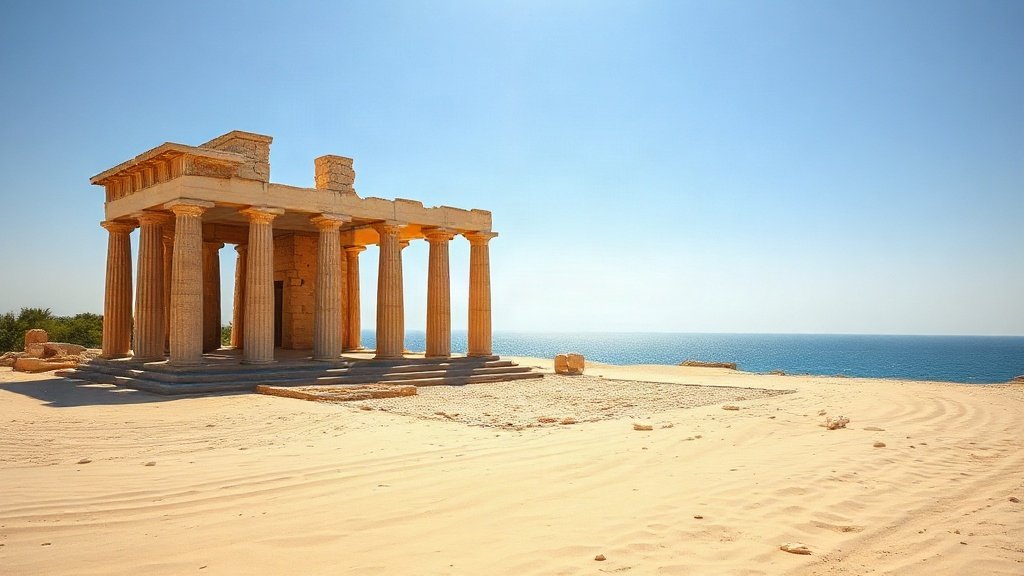
Illustration: AI-generated image
Failaka Island, a 20-kilometre-long stretch of sand and low hills at the entrance of Kuwait Bay, offers a surprising mix of ancient history and quiet natural beauty. Located about 20 kilometres off the coast of Kuwait City, it is one of the most accessible island escapes in the Gulf and a rewarding day trip for history lovers and anyone seeking a break from the urban rush.
Getting There
Ferries run regularly from Kuwait City to Failaka Island, with the journey taking around 90 minutes. Services typically depart in the morning and return in the afternoon, making a day trip straightforward. During the cooler months, additional weekend sailings are common. The ferry terminal is at the Marina Crescent or the nearby Kuwait Waterfront, and tickets can be bought on arrival. For those wanting more independence, private speedboat charters are also available, though they cost considerably more.
Once on the island, the easiest way to explore is by joining a guided tour. These often run in conjunction with ferry sailings and include transport to the main archaeological sites, which are scattered across the island. Hiring a bicycle is possible near the jetty, but distances are long and the summer heat can be intense, so a tour vehicle is recommended.
Things to See
The island’s headline attractions are the ruins of a Greek settlement dating back to the 4th century BC, when Failaka was known as Ikaros. Excavated remains include a small temple, residential foundations, and a collection of artefacts now housed in the Kuwait National Museum. The site gives a rare glimpse of Hellenistic influence in the Gulf, far from the more famous Greek sites of the Mediterranean.
Elsewhere, a cluster of mud-brick houses and a mosque represent the pre-oil era of Kuwait. Some buildings have been restored, while others stand as quiet reminders of the island’s later history. A small heritage village shows traditional architecture and offers simple refreshments on weekends.
For a completely different experience, head to the island’s northern shore, where shallow, calm waters and sandy beaches invite swimming and picnicking. There are few facilities, so bring everything you need, but the sense of space and quiet is hard to match anywhere else in Kuwait.
Best Time to Visit
Failaka is best visited between November and March, when daytime temperatures hover in the comfortable 20s Celsius. The island sees almost no rainfall, but springs can bring occasional showers and a brief burst of green. Summers, from June to September, are extremely hot and humid, making outdoor exploration unpleasant and even unsafe for extended periods.
Practical Tips
Ferry schedules and tour offerings can change, so it is wise to check current information before setting out. There is little shade on the island, so bring a hat, sunscreen, and plenty of water. Snacks are available from small kiosks near the jetty, but options are limited, so carrying your own food is a good idea. Public toilets exist but can be basic. Mobile phone coverage is generally good across the island.
Failaka remains a working archaeological area, and visitors are asked to respect fencing and not remove any stones or artefacts. With a little planning, a trip to this island offers a fascinating journey through layers of Kuwaiti history and a peaceful retreat from the city.