Exploring Gulf Dhow Building Yards: A Practical Guide
Discover where to see traditional wooden dhows being built by hand and learn about the craft that shaped Gulf maritime heritage.
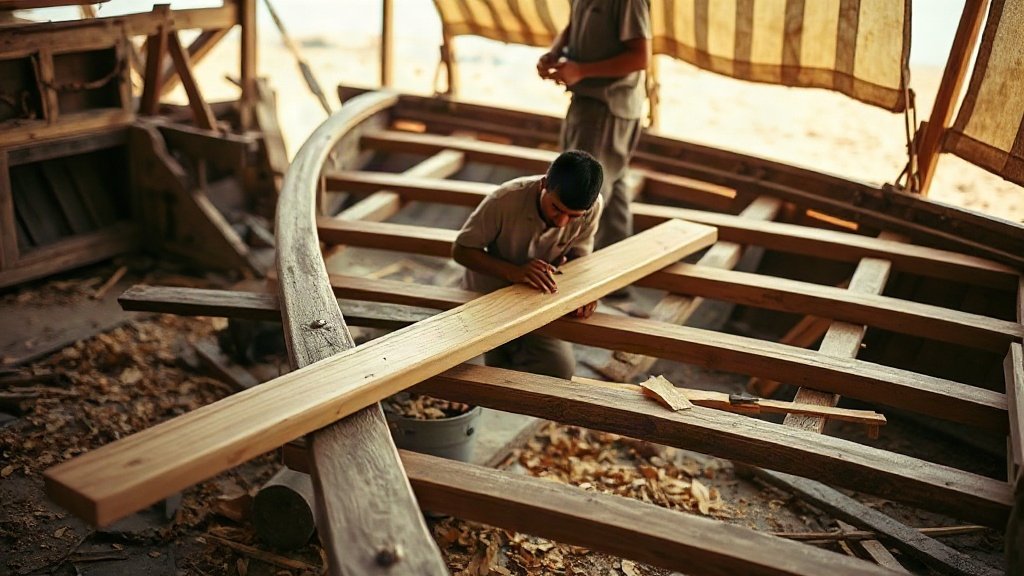
Illustration: AI-generated image
The dhow is an enduring symbol of the Gulf's seafaring past. These elegant wooden vessels once carried pearls, dates and trade goods across the Indian Ocean, and their distinctive sails are still recognised worldwide. While modern ships have replaced them for commerce, the art of building dhows by hand lives on in a handful of shipyards across the region. Visiting one offers a rare glimpse into a craft that has remained largely unchanged for centuries.
Where to see dhow building
The most famous dhow building centre is the coastal town of Sur in Oman, where the tradition has been passed down through generations. Here, open-air yards near the lagoon allow visitors to watch craftsmen shaping hulls, fitting planks and applying the final coats of protective oil. In the United Arab Emirates, the emirate of Ajman also has an active dhow yard, and smaller operations can be found in other coastal areas. Bahrain and Qatar once had thriving boatyards, and while less common today, restored examples can be seen in maritime museums.
The craft of dhow making
Traditional dhows are built almost entirely by hand, using skills honed over a lifetime. Hardwoods such as teak and saj are favoured for their durability and resistance to seawater. The process begins with laying the keel, around which the ribs are bent into shape after being softened by steam or fire. Planks are then attached, originally sewn together with coconut fibre rope rather than nails, a technique still used for some heritage vessels. Modern builders may use steel fastenings for larger boats, but the overall shape and design remain true to their ancestors.
The tools are simple: adzes, chisels, hammers and hand drills. Measurements are often made by eye, relying on the builder's experience rather than detailed plans. Each dhow is unique, a testament to the individual craftsman's skill. The final stage involves sealing the hull with a mixture of fish oil and lime, which protects the wood and gives it a distinctive dark sheen.
Planning your visit
Dhow yards are working environments, not formal tourist attractions, so a respectful approach is essential. Ask permission before taking photographs, and be mindful of safety as heavy timbers and tools are in constant use. Mornings are generally the coolest and busiest time to observe the work. Dress modestly, covering shoulders and knees, and wear closed shoes suitable for uneven ground.
In Sur, the dhow yard is often combined with a visit to the nearby maritime museum or a walk along the corniche. Some yards allow visitors to watch from a short distance, while others may invite you closer if the builders are not too busy. There is usually no entrance fee, though a small tip for the workers is appreciated if they take time to explain their craft.
Why it matters
Beyond the beauty of the vessels, dhow building represents a living link to the Gulf's identity. The skills required are at risk as younger generations pursue other careers, making these yards all the more precious. By visiting, you support the continuation of a tradition that has defined the region for millennia and gain a deeper appreciation for the ingenuity of the people who mastered the sea.