A Practical Guide to Harees, the Gulf's Slow-Cooked Comfort Food
Discover the history, preparation and cultural significance of harees, the creamy wheat and meat dish that has fed Gulf families for centuries.
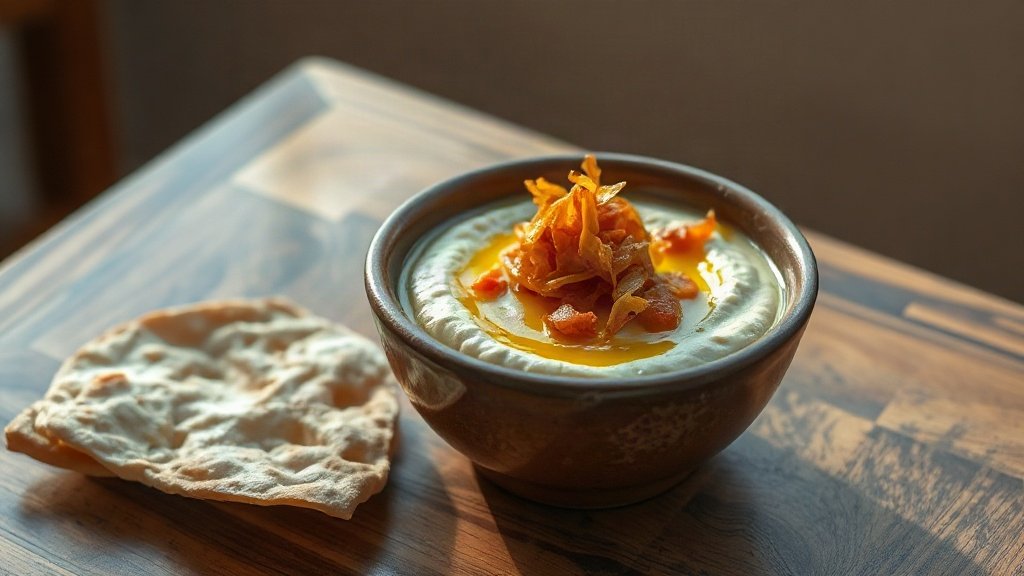
Illustration: AI-generated image
Harees is one of the Gulf's most cherished traditional dishes, a simple yet deeply satisfying porridge made from wheat and meat that has been simmered together for hours until they merge into a smooth, creamy texture. It is a staple of Ramadan iftars, Eid celebrations and family gatherings across Saudi Arabia, the UAE, Qatar, Bahrain, Kuwait and Oman.
What is Harees?
At its heart, harees is a slow-cooked blend of coarsely ground wheat and meat — typically chicken or lamb — seasoned with just salt. The wheat is soaked, then cooked with the meat and plenty of water until the grains break down and the meat shreds into fibres. The result is a thick, porridge-like dish with a mild, comforting flavour. It is often finished with a drizzle of ghee or samneh (clarified butter) and sometimes topped with fried onions or a sprinkle of cinnamon.
The dish is known by slightly different names across the region: harees in the Gulf, harissa in some Levantine countries, and haleem in South Asia, though the Gulf version is distinct in its simplicity and texture.
A Dish for Celebrations
Harees has deep Bedouin roots and has long been associated with hospitality and generosity. Traditionally, it was prepared in large quantities to feed extended families and guests during weddings, religious festivals and the holy month of Ramadan. Even today, it remains a symbol of togetherness, often cooked communally in big pots and shared among neighbours.
During Ramadan, harees is a favourite for iftar because it is nourishing, easy to digest after a day of fasting and provides slow-release energy. It is also a common sight at Eid breakfasts and other family feasts.
How It's Made
The traditional method is labour-intensive but rewarding. Whole wheat berries are soaked overnight, then drained and mixed with meat, water and salt in a large pot. The mixture is brought to a boil and then simmered on a low heat for several hours, stirred frequently to prevent sticking. Some cooks use a wooden paddle called a midrab to beat the mixture until it reaches a uniform, creamy consistency. In the past, the pot might have been buried in hot sand or placed over a low fire for slow cooking.
Modern home cooks often use pressure cookers or slow cookers to shorten the time, but the principle remains the same: patient, gentle cooking until the wheat and meat become one.
Where to Try It
Visitors to the Gulf will find harees in many local restaurants that serve traditional cuisine, particularly those specialising in Emirati, Saudi or Qatari food. It is especially prominent during Ramadan, when many hotels and restaurants include it in their iftar buffets. If you are invited to a local home during a celebration, you are very likely to be offered harees — accepting it is a wonderful way to experience authentic Gulf hospitality.
Some cultural festivals and heritage events also feature live cooking demonstrations of harees, offering a chance to see the traditional method in action.
How to Eat It
Harees is typically served warm in a bowl. It can be eaten with a spoon, but many locals prefer to scoop it up with flatbread such as khubz or regag. A little extra ghee on top adds richness. It is usually accompanied by dates and Arabic coffee as part of a larger meal.
For a first-time visitor, harees offers a gentle introduction to Gulf flavours — comforting, unpretentious and deeply rooted in the region's heritage.