A Beginner's Guide to Traditional Gulf Spices: Flavour and Uses
From warming baharat to bright loomi, these spices define Gulf cooking. Learn how to identify them, store them, and use them in your own kitchen.
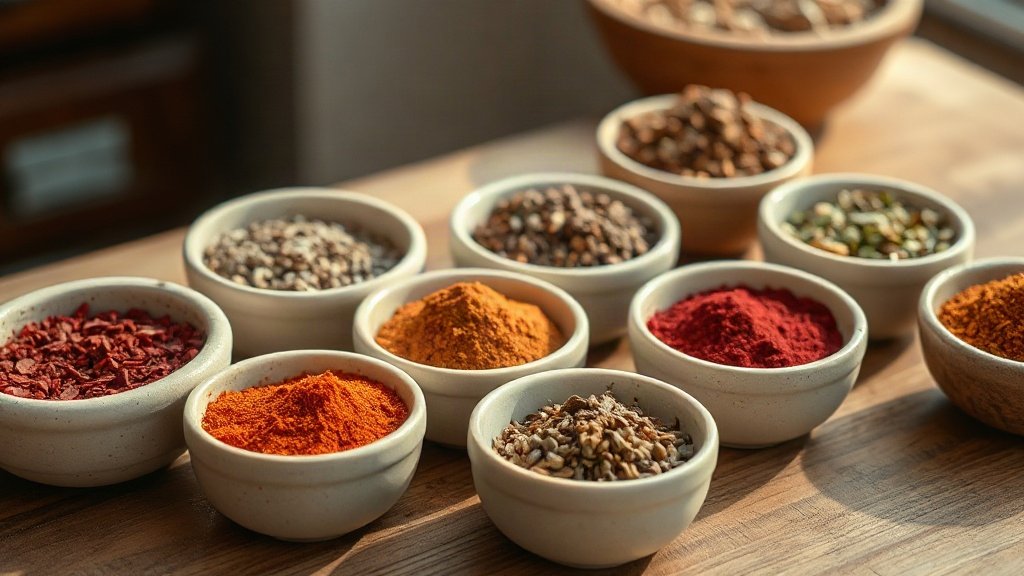
Illustration: AI-generated image
The aromatic heart of Gulf cooking lies in a handful of spices that have travelled along ancient trade routes for centuries. Understanding these seasonings will open the door to recreating beloved regional dishes at home, whether you are a newcomer or a long-time resident looking to deepen your culinary repertoire.
Key spices to know
Baharat is a blend rather than a single spice, often translated as “spices” in Arabic. Recipes vary by household, but it typically includes black pepper, coriander, cinnamon, cloves, cumin, cardamom, nutmeg and paprika. It adds a warm, slightly sweet depth to meat stews, rice dishes and grilled kebabs. A small jar of ready-made baharat is a convenient starting point, but blending your own allows you to adjust the balance.
Loomi (dried black lime) is a hallmark of Gulf and wider Middle Eastern cooking. Whole loomi are hard, hollow and deep brown, with a sharp, fermented citrus aroma. They are pierced and simmered in stews, or ground into a powder that lends a sour, almost smoky note to fish, chicken and lentil dishes. Start with a small amount; its tang is assertive.
Cardamom appears in both sweet and savoury preparations. Green cardamom pods are more common than black in Gulf kitchens. The seeds are crushed and added to Arabic coffee, rice puddings and meat marinades. It has a floral, eucalyptus-like freshness that cuts through richness.
Saffron is prized for its golden colour and subtle honeyed, hay-like taste. A few threads soaked in warm water or milk will tint a whole pot of rice. It is used in festive dishes such as machboos and for flavouring desserts and tea.
Turmeric adds a warm, earthy bitterness and a bright yellow hue. It is paired with rice, fish and vegetables. Fresh turmeric root is sometimes used, but ground turmeric is more common in home kitchens.
Cumin and coriander are workhorse spices. Cumin seeds or ground cumin give a nutty, peppery warmth; coriander seeds are citrusy and slightly sweet. Together they season everything from grilled meats to vegetable stews.
Cinnamon, cloves and nutmeg appear in both savoury meat dishes and sweet pastries. They are often used in small amounts to add background warmth.
How to store spices in the Gulf
Heat, humidity and sunlight are the enemies of spice freshness. Keep spices in airtight containers, preferably glass or metal, away from the stove and direct light. A cool, dark cupboard is ideal. Whole spices last longer than ground ones—up to two years for whole seeds and pods, about six months for ground powders. If a spice has lost its fragrance, it is time to replace it. Buying smaller quantities more frequently is better than buying large bags that will fade.
For loomi, store whole dried limes in an airtight jar; they can last over a year. If you grind them, use the powder within a month for the best flavour.
Easy ways to start cooking with them
- Make a simple spice rub: mix one teaspoon each of ground cumin, coriander, turmeric and baharat with salt and a little oil. Rub onto chicken or lamb before grilling or roasting.
- Flavour rice: add a cinnamon stick, two cardamom pods, a few cloves and a pinch of saffron threads to the water before cooking basmati rice. Remove the whole spices before serving if you prefer.
- Brew spiced tea: simmer water with cardamom pods, a small piece of cinnamon and a few saffron threads for five minutes, then add black tea leaves and sweeten to taste.
- Enhance stews: pierce one or two loomi and drop them into a lamb or vegetable stew. They soften and release their tang as the dish cooks.
With these spices in your pantry, you can bring the flavours of the Gulf into your own kitchen, one fragrant pot at a time.