Coral Stone Houses: The Gulf's Coastal Building Heritage
From Dubai to Bahrain, traditional coral stone architecture once defined the Gulf's coastal towns. Discover how this ancient building technique kept homes cool and why it is now being preserved.
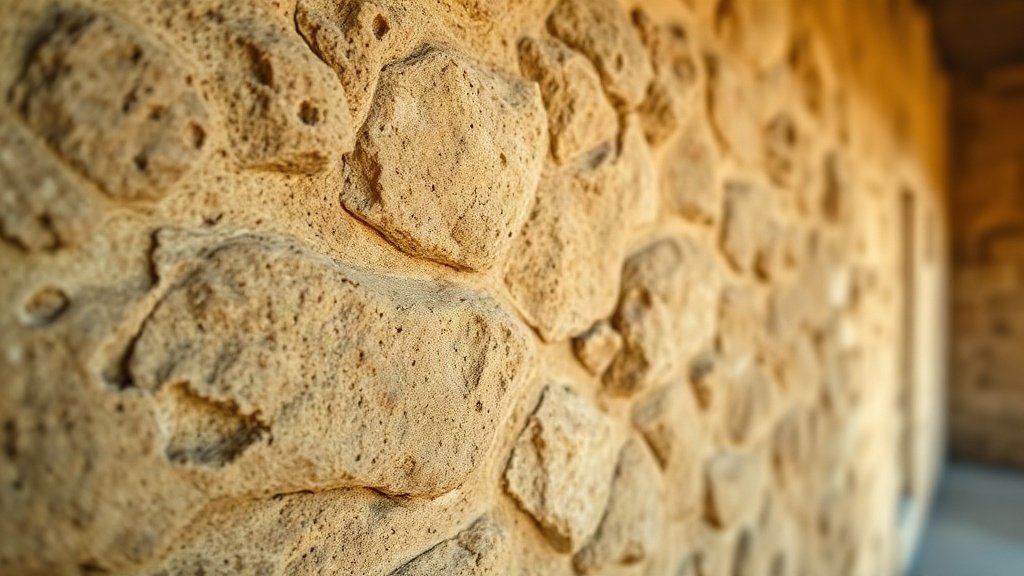
Illustration: AI-generated image
Before concrete and glass towers reshaped the Gulf's skyline, the region's coastal communities built their homes from the sea itself. Coral stone, known locally as farshi, was the primary building material for centuries, shaping the character of old towns from Kuwait to Oman. Today, surviving examples of coral stone architecture offer a tangible link to a more sustainable and locally rooted past.
A Building Material from the Sea
Coral stone was harvested from shallow coastal reefs, where ancient coral formations had compacted over time. Builders would cut the stone into rough blocks, often using simple hand tools, and then transport it to construction sites by boat or donkey. The blocks were laid with a mortar made from lime, sand, and crushed seashells, creating walls that were both sturdy and surprisingly workable.
The use of coral stone was not limited to humble dwellings. Mosques, forts, and merchant houses also employed the material, sometimes combining it with mud brick or gypsum plaster for decorative finishes. The distinctive texture of coral walls, which often resemble porous honeycomb, is a defining feature of Gulf coastal heritage districts that have been restored in recent decades.
Cool Comfort in a Hot Climate
One of the most remarkable qualities of coral stone is its natural thermal performance. The material's porous structure traps air, providing insulation against the intense desert heat. Thick coral walls absorbed warmth during the day and released it slowly at night, helping to keep interiors cooler without modern air conditioning.
This passive cooling effect was enhanced by other traditional design features, such as narrow alleyways, shaded courtyards, and wind towers. Together, they created a comfortable living environment that was well adapted to the Gulf's harsh summer conditions. Coral stone houses were also relatively easy to repair, as damaged blocks could be replaced individually without compromising the structure.
Preserving a Coastal Legacy
The widespread use of coral stone declined in the mid-20th century, as cement and steel became cheaper and easier to source. Environmental concerns also played a role, as large-scale quarrying threatened fragile reef ecosystems. By the 1970s, the technique had largely fallen out of use, replaced by modern building methods.
In recent years, however, heritage authorities across the Gulf have recognised the cultural and historical value of coral stone architecture. Restoration projects in historic neighbourhoods have revived traditional building skills, sometimes training a new generation of craftsmen in the old techniques. Visitors can now see preserved coral stone houses, forts, and mosques that showcase this enduring coastal heritage, offering a glimpse of life before the oil boom.