Bargaining in Gulf Souqs: A Practical Guide
Learn how to negotiate prices with confidence and respect in the traditional markets of the Arabian Gulf.
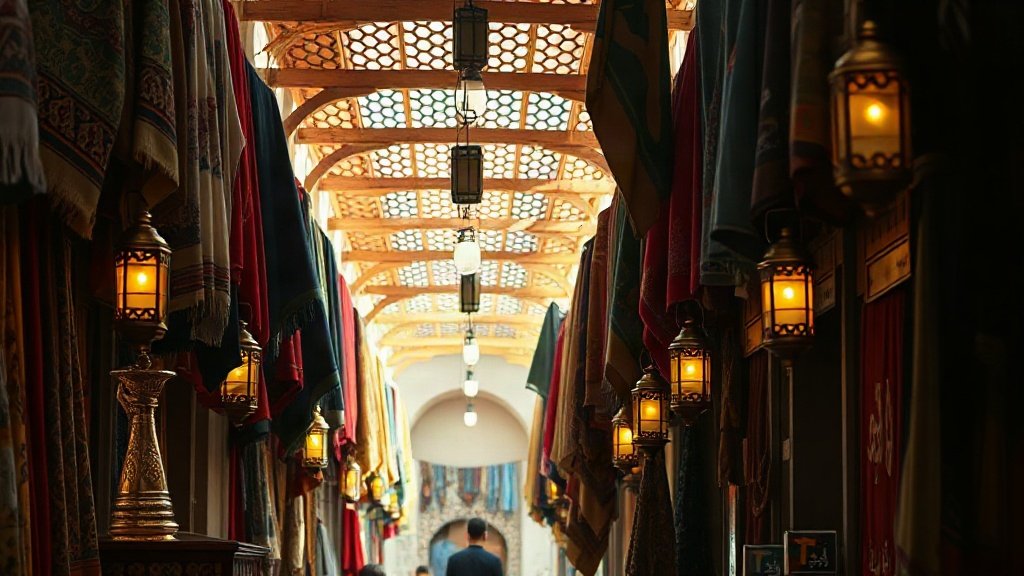
Illustration: AI-generated image
Wandering through a traditional souq in the Gulf is a sensory feast: the scent of spices and oud, the glint of brass, the rainbow of textiles. It’s also a place where prices are not fixed, and a friendly negotiation is part of the experience. Bargaining is expected, but it’s an art that balances firmness with courtesy. This guide will help you navigate the process with ease and respect.
Why bargain?
In many Gulf souqs, haggling is not a sign of conflict but a social ritual that has been practised for centuries. It allows both buyer and seller to arrive at a fair price through dialogue. For visitors, it’s a chance to engage with local culture, learn about the goods, and walk away with a unique item at a reasonable cost. Remember, the goal is a win-win outcome, not to squeeze every last dirham.
Where to bargain
Bargaining is appropriate in traditional souqs and independent shops, such as those selling carpets, antiques, spices, perfumes, and souvenirs. In modern malls, supermarkets, and chain stores, prices are fixed, and haggling is not acceptable. When in doubt, observe how locals shop or ask politely: “Is the price fixed?”
How to bargain step by step
- Start with research. Browse several stalls to get a sense of the price range for similar items before you begin negotiating.
- Show genuine interest. Ask questions about the item’s origin, materials, and craftsmanship. This builds rapport and shows respect for the seller’s expertise.
- Make the first offer. As a rule of thumb, offer around 50–60% of the asking price, but be prepared to adjust based on the item’s value and your budget.
- Stay friendly. Smile, use a calm tone, and never show frustration or anger. A good-natured exchange is more productive and enjoyable.
- Be willing to walk away. If the price doesn’t meet your expectation, politely thank the seller and move on. Often, this prompts a better offer.
- Know your limit. Decide beforehand the maximum you are willing to pay, and stick to it. Don’t get caught up in the excitement.
Cultural etiquette
Respect is paramount. Bargaining should never be aggressive or insulting. Avoid criticising the quality of the goods to lower the price; instead, focus on your budget constraints. It is also customary to accept a small glass of tea or coffee if offered, as it is a gesture of hospitality. If you agree on a price, honour the deal—backing out is considered rude. Finally, remember that many souq vendors are small business owners, and a fair price supports their livelihood.
Final tips
Carry cash in small denominations, as not all stalls accept cards. Dress modestly out of respect for local customs. And most importantly, enjoy the process: bargaining is a conversation that often leads to stories, smiles, and a deeper connection to the place you are visiting.