Sadu Weaving: A Practical Guide to the Gulf's Traditional Bedouin Craft
Discover the ancient art of Sadu weaving, a Bedouin textile tradition recognised by UNESCO, and learn where to see and appreciate it across the Gulf.
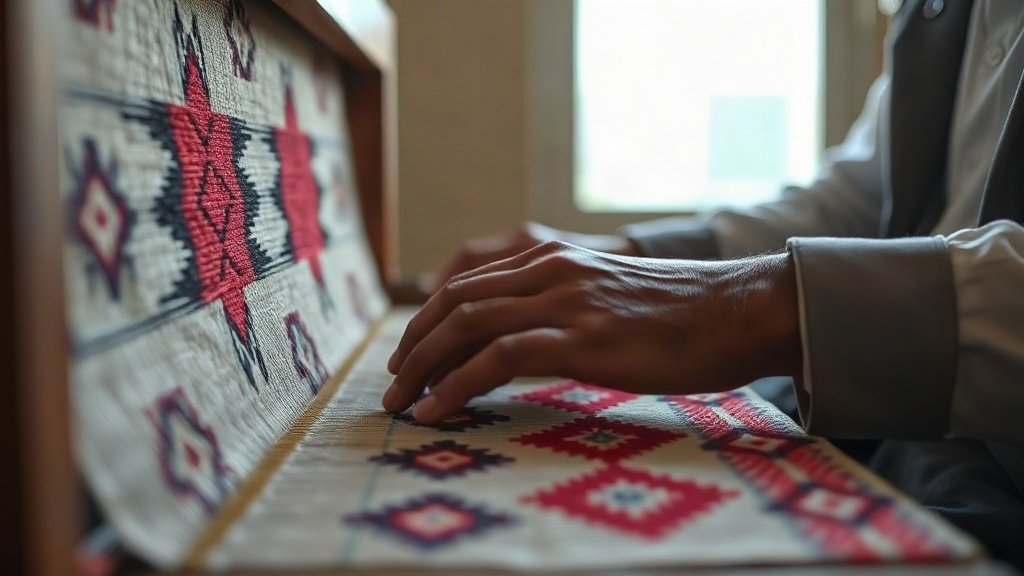
Illustration: AI-generated image
Sadu weaving is one of the Gulf's most distinctive traditional crafts, a centuries-old Bedouin skill that transforms camel hair and sheep wool into intricate, geometric textiles. Once essential for desert life, this weaving tradition is now recognised by UNESCO as an intangible cultural heritage and remains a vibrant part of Arabian identity.
What is Sadu?
Sadu is a flatweave technique practised by Bedouin women across the Arabian Peninsula, particularly in Saudi Arabia, Kuwait, Qatar, the UAE, and Oman. The word 'Sadu' refers to both the weaving process and the finished cloth. Traditionally, the fabric was used to make tent dividers, rugs, saddlebags, and camel trappings—essential items for a nomadic lifestyle.
The materials are simple and natural: camel hair, sheep wool, and goat hair are spun by hand, then dyed using plants and minerals. The colour palette is dominated by deep reds, blacks, whites, and occasional indigo, reflecting the desert landscape. Patterns are bold and geometric, with symbols representing the environment, such as waves, stars, and desert animals, passed down through generations.
Where to See Sadu Weaving
Visitors to the Gulf can encounter Sadu in a number of settings. Many cultural centres and heritage villages regularly host live demonstrations by master weavers. For example, the Sadu House in Kuwait City is dedicated to preserving this craft and offers visitors a chance to watch artisans at work. In Abu Dhabi, the Qasr Al Hosn cultural site includes Sadu displays and workshops, while Dubai's Al Fahidi Historical Neighbourhood often features weaving demonstrations in its traditional houses.
Sadu pieces are also displayed in museums across the region, including the National Museum of Qatar and the Sharjah Heritage Museum. When visiting a souq, look for stalls selling handwoven items—though be mindful that mass-produced imitations exist.
How to Appreciate and Buy Sadu
Understanding Sadu begins with recognising its craftsmanship. A genuine handmade piece will have slight irregularities in the weave, a sign of the weaver's hand. Colours derived from natural dyes may have subtle variations, while synthetic dyes tend to look flat and uniform. Run your fingers over the surface: authentic Sadu has a tight, durable texture that feels robust yet flexible.
When buying, ask about the piece's origin and the weaver. Purchasing directly from artisans or cooperatives helps support the craft's survival. Many cultural centres sell certified Sadu products, ensuring that your money goes to the community that keeps this tradition alive.
Sadu is more than a souvenir—it is a piece of Gulf heritage, woven with stories of the desert and its people. Taking the time to learn about it enriches any journey through the region.