A Guide to Tannour Bread: The Gulf's Traditional Clay Oven Flatbread
Discover tannour bread, the soft, leavened flatbread baked in clay ovens across the Gulf. Learn about its varieties, how it is made, and the best ways to enjoy it.
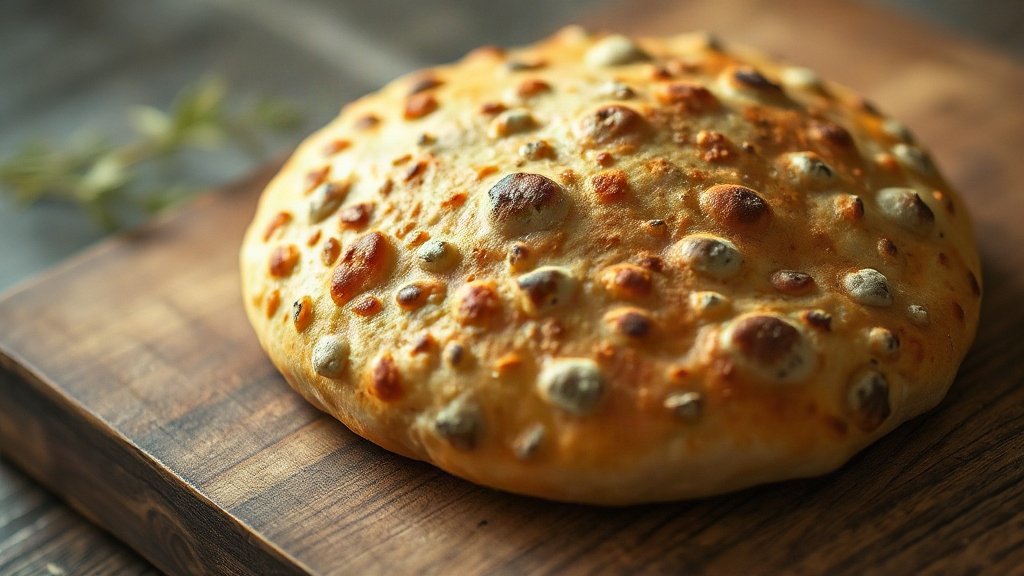
Illustration: AI-generated image
Tannour bread is a staple in Gulf households, known for its soft, pillowy texture and subtle smoky flavour. Unlike the paper-thin regag, tannour bread is thicker and leavened, making it perfect for scooping up stews, dips, and grilled meats. Baked in a traditional clay oven called a tannour, this bread has been a cornerstone of Gulf cuisine for centuries.
What is tannour bread?
Tannour bread is a round, flatbread made from wheat flour, water, yeast, and salt. The dough is kneaded until smooth, left to rise, then slapped onto the hot walls of a clay oven. The intense heat puffs the bread, creating a blistered exterior and a soft, airy interior. In some regions, it is known as khubz tannour or simply tannour.
Varieties across the Gulf
While the basic method is similar, slight variations exist. In the UAE and Oman, the bread is often larger and slightly thicker. In Saudi Arabia, it may be sprinkled with sesame or nigella seeds before baking. Some families add a little milk or yoghurt to the dough for extra tenderness. Despite these differences, the essential character remains: a versatile bread that complements almost any dish.
How it is made
Traditionally, the tannour is a cylindrical clay oven, often built into the ground or as a freestanding structure. It is heated with wood or charcoal until the walls are glowing. The baker shapes the dough into balls, flattens them by hand or with a small cushion, and swiftly presses them onto the oven's inner wall. The bread bakes in minutes, and a long hook is used to pull it out. The result is a warm, fragrant loaf with a slightly charred bottom.
How to enjoy tannour bread
Tannour bread is best eaten fresh, often within hours of baking. It is the traditional accompaniment to dishes like saloona (vegetable stew), margoog, and grilled fish. Tear off a piece and use it to scoop up sauces or wrap around kebabs. For breakfast, it is enjoyed with honey, cheese, or date syrup. Leftover bread can be toasted or used to make fattoush-style salads.
Buying and storing tips
Many neighbourhood bakeries across the Gulf still bake tannour bread daily. Look for bread that is still warm and has a slight bounce when pressed. To keep it fresh at home, wrap it in a clean cloth and store at room temperature for a day, or freeze for longer. Reheat in a hot oven or on a dry skillet for a few seconds to restore its softness.
Whether served at a family gathering or a simple weeknight meal, tannour bread brings a taste of tradition to the table. Its simple ingredients and time-honoured method make it a beloved part of Gulf culinary heritage.