Karak: A Guide to the Gulf's Sweet Spiced Milk Tea
Karak is the Gulf's beloved cardamom-spiced tea, brewed strong and mixed with evaporated milk. It's a symbol of hospitality and everyday comfort, enjoyed from roadside stalls to family gatherings.
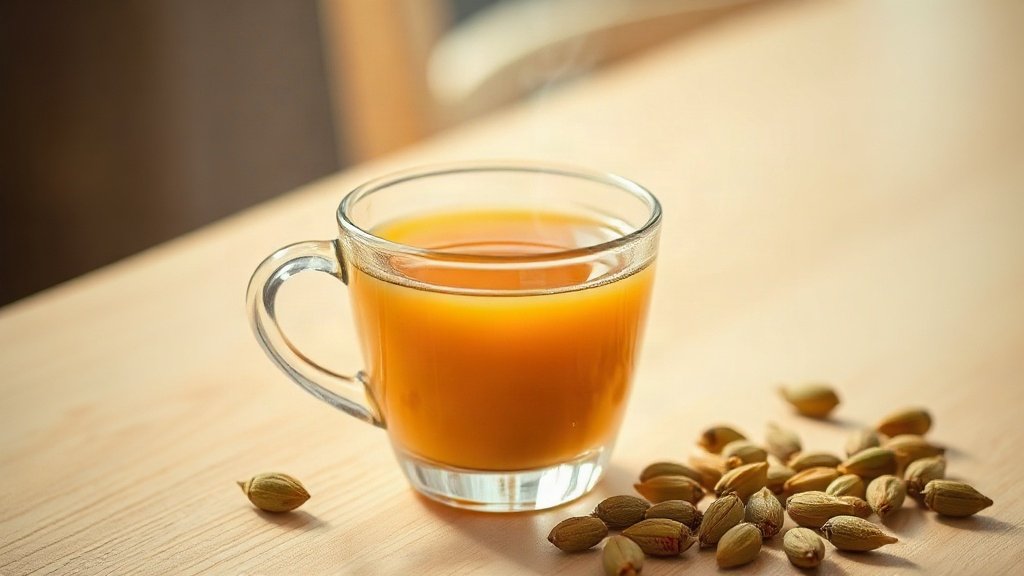
Illustration: AI-generated image
Karak is more than just a cup of tea in the Gulf – it is a warm, fragrant ritual that punctuates the day. This sweet, milky brew, infused with cardamom and often other spices, has become an emblem of hospitality and everyday comfort across the region.
What is karak?
Karak is a spiced tea made with strong black tea, evaporated milk, sugar, and a generous amount of cardamom. The name comes from the Hindi word kadak, meaning 'strong', referring to the robust tea base. It is closely related to Indian masala chai but typically has a simpler spice profile, with cardamom taking centre stage.
Origins and spread
Karak arrived in the Gulf through South Asian traders and workers, who brought their chai traditions to the region. Over time, local tastes adapted the recipe, increasing the sweetness and milkiness while keeping the tea strong. Today, karak is found everywhere from roadside cafeterias to high-end hotels, and it is deeply woven into the social fabric of countries like Qatar, the UAE, and Bahrain.
How karak is made
The basic method is simple but relies on careful brewing. Loose black tea leaves (often a strong variety like Assam) are boiled with water, crushed cardamom pods, and sometimes a cinnamon stick or a few saffron strands. Once the tea is dark and aromatic, evaporated milk is added, along with sugar to taste. The mixture is brought back to a boil, then simmered for a minute to meld the flavours. The tea is strained and served hot in small glasses or paper cups.
Evaporated milk is preferred over fresh milk because it gives karak a rich, creamy texture without diluting the tea. Condensed milk can also be used for an extra-sweet version, though many prefer to control the sugar separately.
Variations across the Gulf
While cardamom is the signature spice, regional variations exist. In Qatar, karak often includes a hint of ginger or saffron. In the UAE, some cafeterias add a pinch of nutmeg or cloves. A popular adaptation is karak with ginger, which adds a warming, slightly spicy note. For a more indulgent treat, some people stir in a spoonful of condensed milk or top it with a sprinkle of ground cardamom.
When and how it is enjoyed
Karak is a drink for all hours. It is a morning pick-me-up, an afternoon break, and a late-night companion after dinner. In many Gulf neighbourhoods, roadside karak stalls are social hubs where people gather to chat, watch cricket, or simply unwind. It is also offered to guests at home, often alongside dates or small pastries.
Making karak at home
To make two cups, you will need: 2 cups water, 2 tablespoons loose black tea, 6–8 green cardamom pods (lightly crushed), 1 cup evaporated milk, and sugar to taste. Bring the water and cardamom to a boil, add the tea, and let it boil for two minutes. Add the evaporated milk and sugar, bring back to a boil, then simmer for one minute. Strain into cups and serve immediately.
The beauty of karak lies in its adaptability – adjust the tea strength, spice level, and sweetness to your liking. A teaspoon of loose tea per cup is a good starting point, but some prefer it even stronger.
A cultural staple
Karak’s popularity shows no sign of fading. It is a taste of nostalgia for many, a symbol of the Gulf’s openness to outside influences, and a reminder that the simplest ingredients can create something truly comforting.