A Practical Guide to Fresh Fish in the Gulf: Buying and Cooking
Learn how to select the freshest catch at Gulf fish markets and discover traditional ways to prepare local favourites like safi, sheri and kanad.
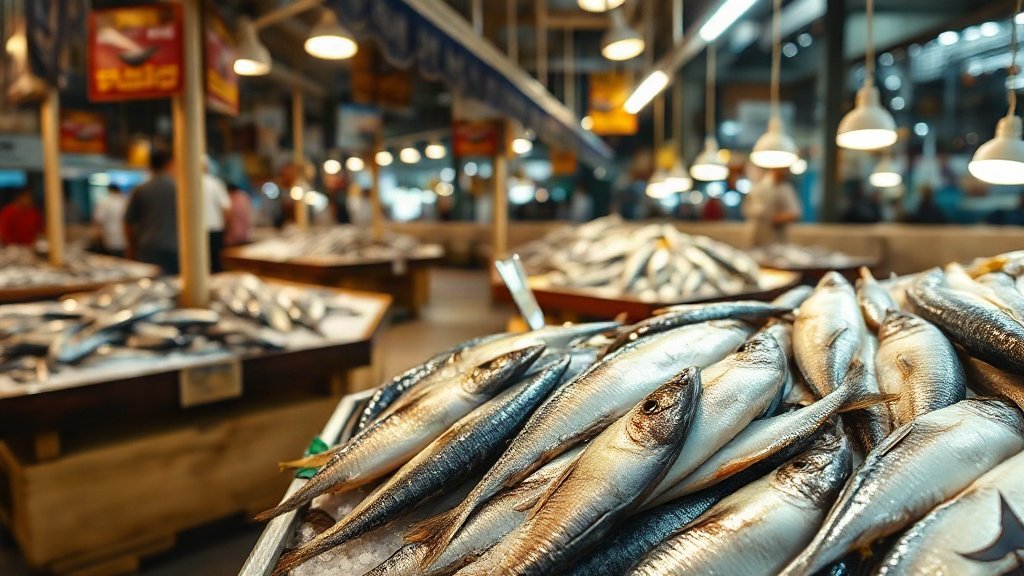
Illustration: AI-generated image
Fresh fish has been at the heart of Gulf cuisine for centuries, long before modern supermarkets arrived. Coastal communities from Kuwait to Oman relied on daily catches from the Arabian Gulf and the Arabian Sea, and today the region's fish markets remain bustling hubs of colour, sound and aroma. Knowing how to choose and prepare fish like a local can transform your cooking at home.
Choosing the freshest catch
When you visit a traditional fish market in the Gulf, such as those found in coastal cities, you will see wooden stalls piled high with shimmering fish, often still twitching from the morning haul. The best way to judge freshness is to use your senses. Look for bright, clear eyes that bulge slightly, not sunken or cloudy. The gills should be a rich red or pink, never brown or grey. The skin should be glossy and metallic with tightly adhering scales, and the flesh should spring back when pressed gently.
A fresh fish from the Gulf should smell of the sea – clean and briny – without any sour or overly fishy odour. If you are buying a whole fish, ask the fishmonger to clean and gut it for you; this is standard practice and usually included in the price. Many markets also offer filleting services, but traditional Gulf cooking often calls for whole fish, grilled or fried with the head and tail intact for maximum flavour and presentation.
Popular Gulf fish and how to cook them
While the Gulf is home to dozens of edible species, a few varieties stand out for their flavour and versatility. Safi (rabbitfish) is prized for its delicate white flesh and is especially popular in the UAE and Qatar. It is best grilled whole after marinating in a simple mixture of lemon, garlic and spices, or pan-fried until the skin is crisp.
Sheri (emperor fish) has firm, sweet meat that holds up well to grilling and baking. It is a favourite for family meals and is often served with fragrant rice and a side of tangy tomato sauce. Kanad (king mackerel) is a larger, oilier fish that is excellent for frying or making fish curry. Its rich flavour pairs well with bold spices like turmeric and cumin.
Other common catches include subaiti (sea bream), known for its mild taste and tender texture, and jesh (croaker), which is often used in soups and stews. In Oman and parts of the eastern Gulf, tuna and sardines are also widely consumed, with sardines sometimes dried and used as a seasoning in rice dishes.
Traditional preparation methods
Grilling over charcoal is the most iconic way to prepare fish in the Gulf. Whole fish are typically scored on both sides, rubbed with a paste of spices such as turmeric, cumin, dried lime powder and sometimes chilli, then grilled until the skin is charred and the flesh flakes easily. The smoky aroma is unmistakable and often fills the air in residential neighbourhoods on weekends.
Frying is equally common, especially for smaller fish like safi or anchovies. The fish is dusted with flour or a light batter and fried in hot oil until golden. Served with fresh bread, sliced onions and a squeeze of lime, it makes a simple and satisfying meal. For a healthier option, fish can be baked in the oven with vegetables, or simmered in a spiced tomato broth to create a hearty stew that pairs perfectly with steamed rice.
Whatever method you choose, always let the quality of the fish shine. A little salt, a splash of lemon and a few key spices are often all you need to honour the Gulf's long fishing heritage. Serve your dish with traditional accompaniments such as fresh salad, pickled mango or a bowl of warm rice, and enjoy a taste of the sea that has nourished generations.