How to Make Chebab: The Gulf's Fluffy Saffron Pancakes
A step-by-step guide to making chebab, the traditional Gulf pancakes flavoured with saffron and cardamom, perfect for a weekend breakfast or special occasion.
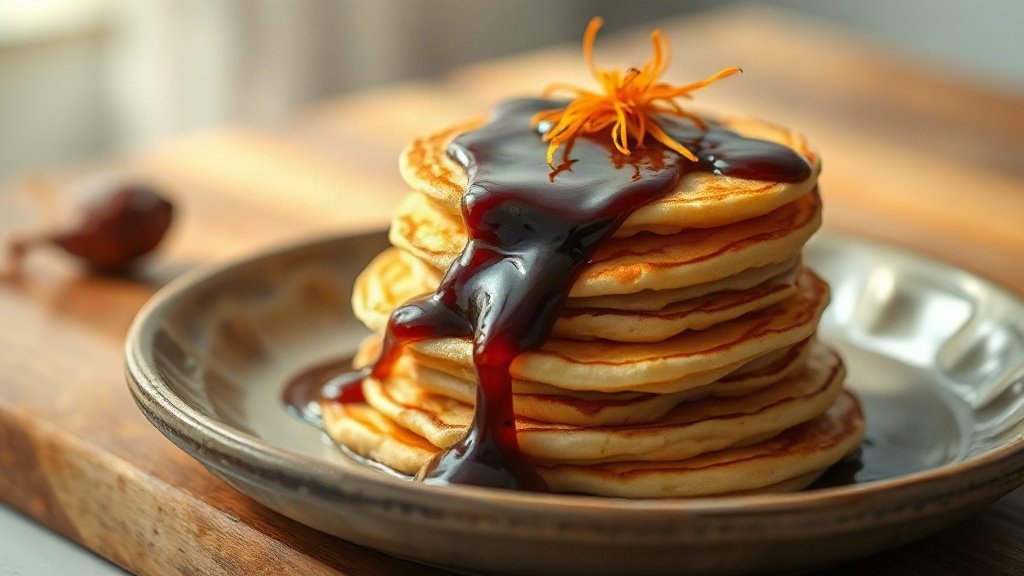
Illustration: AI-generated image
Chebab are the Gulf's answer to fluffy pancakes, but with a fragrant twist. These yeasted pancakes are subtly sweet, delicately spiced with saffron and cardamom, and often enjoyed for breakfast or during Ramadan. Unlike Western pancakes, they are lighter and slightly spongy, perfect for soaking up date syrup or honey. Making them at home is straightforward, and the aroma alone will bring a sense of occasion to your kitchen.
Ingredients
To make about 12 small pancakes, you will need:
- 2 cups all-purpose flour
- 1 tablespoon sugar
- 1 teaspoon instant yeast
- 1/2 teaspoon ground cardamom
- A generous pinch of saffron threads, crushed and soaked in 2 tablespoons warm water
- 1/4 teaspoon salt
- 1 large egg
- 1 1/2 cups warm water (more if needed)
- Vegetable oil or ghee for cooking
Method
In a large bowl, whisk together the flour, sugar, yeast, cardamom and salt. Make a well in the centre and add the egg, saffron water and about half the warm water. Stir with a wooden spoon, gradually incorporating the flour. Slowly add the remaining water while stirring until you have a smooth batter with the consistency of thick cream. Cover the bowl with a clean cloth and leave in a warm place for about 45 minutes, or until the batter is bubbly and has slightly risen.
Heat a non-stick frying pan or griddle over medium heat and lightly grease with oil or ghee. Pour small ladlefuls of batter onto the pan to form rounds about 8 cm across. Cook for about two minutes until bubbles form on the surface and the edges look set. Flip carefully and cook for another minute or two until golden brown. Keep cooked chebab warm in a clean tea towel while you finish the rest.
Serving and Tips
Chebab are traditionally served warm with date syrup (dibs), honey, or a sprinkle of sugar. They pair beautifully with a cup of karak chai or Arabic coffee. For a savoury twist, some families serve them with cream cheese or labneh. Leftover batter can be stored in the fridge for up to a day, but bring it back to room temperature before cooking.
If saffron is unavailable, a few drops of yellow food colouring can mimic the colour, but the flavour will be missed. The batter should be quite runny; if it thickens after resting, add a little warm water to loosen it. Chebab are best eaten fresh, but they can be reheated gently in a pan or microwave.