The Dhow: A Guide to the Gulf's Traditional Wooden Boat
From pearling voyages to cargo transport, the dhow has shaped Gulf life for centuries. Explore its history, types, and enduring cultural significance.
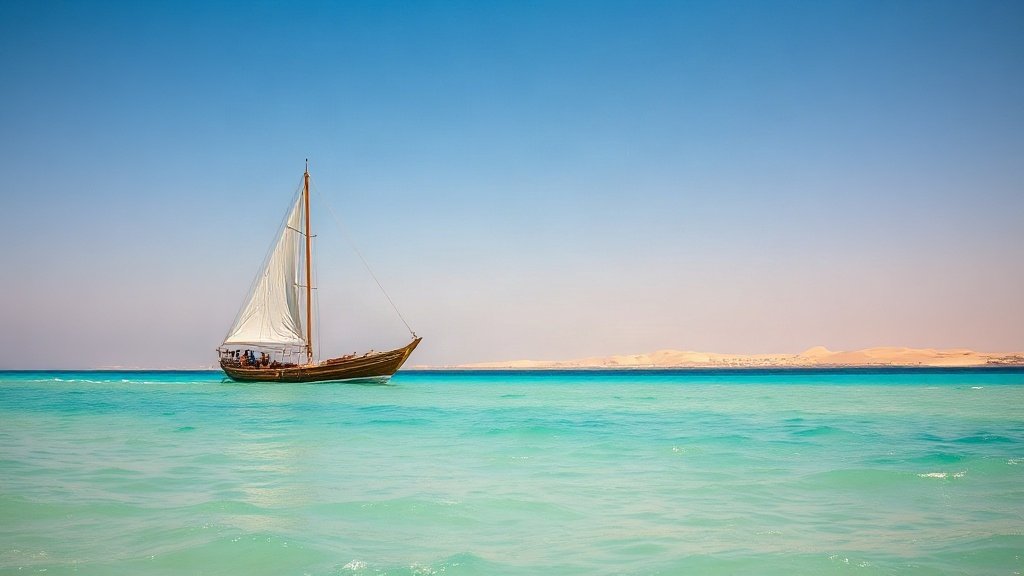
Illustration: AI-generated image
The dhow is more than a boat—it is a symbol of the Gulf's deep connection to the sea. For centuries, these wooden sailing vessels carried pearl divers, fishermen, and traders across the Arabian Gulf and beyond, shaping the region's economy and way of life. Today, the dhow remains an enduring cultural icon, celebrated in festivals, museums, and everyday life.
A Maritime Heritage
Before the discovery of oil, the Gulf's economy depended on the sea. Pearling was the primary industry, and dhows were essential for reaching the oyster beds. These boats also transported goods such as dates, dried fish, and timber along the coasts of Arabia, Iran, India, and East Africa. The monsoon winds dictated sailing seasons, with voyages often lasting months. A skilled captain, or nakhuda, navigated using the stars, coastal landmarks, and knowledge of currents and winds.
Types of Dhow
Several distinct types of dhow were developed for different purposes. The most common include:
- Boum – a large, double-ended vessel used for long-distance trade and pearling, with a high stern and distinctive bow.
- Sambuq – a smaller, faster boat often used for fishing and short coastal trips, with a squared stern.
- Jalibut – a mid-sized dhow used for fishing and lighter transport, known for its speed.
- Shu'ai – a small, versatile craft ideal for shallow waters and inshore fishing.
Building a Dhow
Traditional dhow building is a highly skilled craft passed down through generations. Builders, known as qalalif, used hand tools and locally available materials. The hull was typically made from teak or other hardwood imported from India, while the sails were woven from cotton. No nails were used in early construction; instead, planks were stitched together with coconut fibre rope and sealed with fish oil or bitumen. The process could take several months and required precise knowledge of wood behaviour and sea conditions. Modern builders may use power tools and imported plywood, but many still follow the traditional methods.
The Dhow in Culture Today
Although modern ships have replaced dhows for commercial transport, these vessels remain vital to Gulf heritage. They are still used for fishing, pearl-diving demonstrations, and leisure cruises. Traditional dhow races, such as those held during national festivals, draw large crowds and keep sailing skills alive. Many museums across the region, including the Dubai Museum and the Qatar National Museum, exhibit historic dhows and explain their construction. In addition, the dhow appears in poetry, art, and even on currency, underscoring its place in Gulf identity. Visitors can often see dhows being built or repaired in traditional boatyards, such as those in Al Jasra, Bahrain, or along the creek in Dubai.
Whether seen gliding across the water or preserved in a museum, the dhow continues to tell the story of a seafaring people and their enduring bond with the sea.