The Habban: A Guide to the Gulf's Traditional Bagpipe
Learn about the habban, the traditional bagpipe of the Arabian Gulf, its construction, playing style, and cultural role in music and dance.
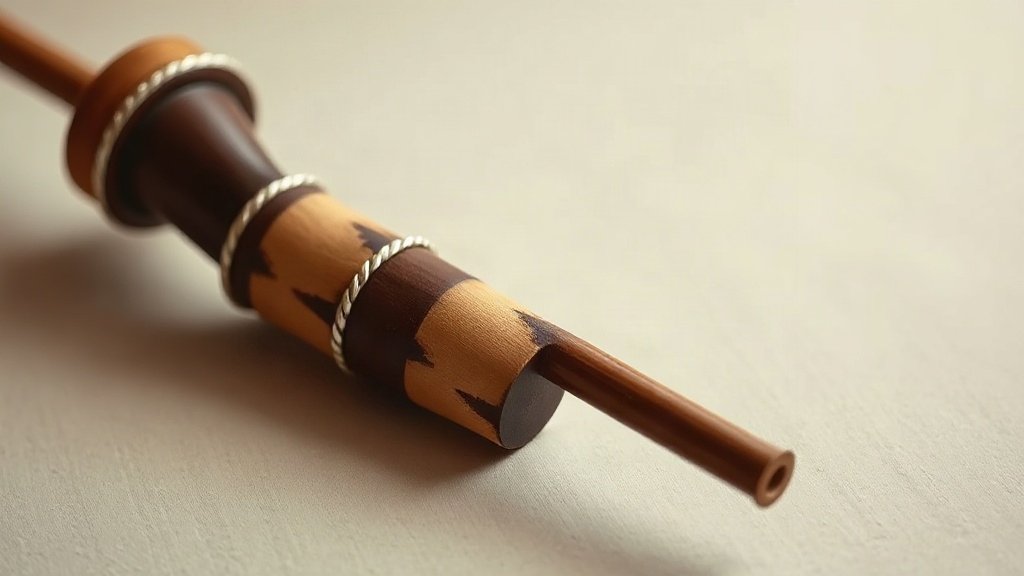
Illustration: AI-generated image
The habban is a traditional bagpipe played across the Arabian Gulf, from Kuwait and Bahrain to the eastern coast of Saudi Arabia. With its distinctive droning sound and rhythmic melodies, it has accompanied celebrations, dances, and folk music for centuries. This guide explores the instrument's history, construction, and enduring cultural significance.
Origins and history
The habban is believed to have ancient roots, with similar instruments appearing in Mesopotamian and Persian cultures. Over time, it became integrated into the musical traditions of the Gulf, particularly in coastal communities where trade and cultural exchange flourished. The instrument is closely associated with the lewa and tanboura musical traditions, which have African and Indian Ocean influences.
How the habban is made
Traditional habbans are handcrafted using natural materials. The bag is typically made from goatskin, which is treated and sewn to hold air. Attached to the bag are two pipes: a melody pipe with finger holes, often made from wood or reed, and a drone pipe that produces a constant low tone. A blowpipe allows the player to inflate the bag, and the air is released through the pipes to create sound.
Playing technique
To play the habban, the musician blows air into the bag and applies pressure with the arm to maintain a steady airflow. The melody pipe is played with both hands, while the drone produces a continuous note. The instrument's sound is loud and penetrating, making it well suited for outdoor gatherings and processions.
Role in Gulf culture
The habban is a staple of traditional Gulf music, often played alongside drums such as the tabl and mirwas. It features prominently in the ardha dance, which is performed at national celebrations and weddings. The instrument's droning quality and rhythmic patterns encourage communal participation and are said to evoke a sense of pride and unity.
The habban today
While modern instruments have become more common, the habban remains an important symbol of Gulf heritage. Folk ensembles and cultural festivals continue to showcase its unique sound, and efforts to preserve traditional crafts have led to renewed interest in learning to make and play the instrument. For visitors, hearing a habban performance offers a direct connection to the region's living musical traditions.