The Date Palm: A Guide to the Gulf's Tree of Life
The date palm has shaped life in the Arabian Gulf for millennia, providing food, shade, and material for crafts. Discover its cultural significance and practical uses.
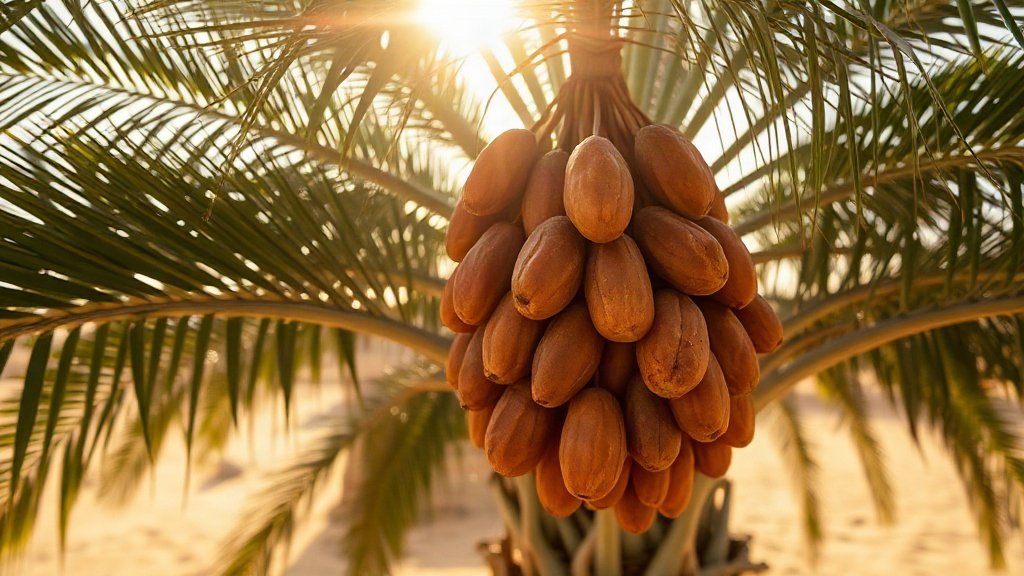
Illustration: AI-generated image
The date palm, known locally as nakheel, is far more than a source of sweet fruit in the Arabian Gulf. For thousands of years, this resilient tree has provided food, shelter, and raw materials, earning it the title 'tree of life'. From the quiet oases of Saudi Arabia to the terraced gardens of Oman, the date palm is woven into the region's landscape and identity.
A Symbol of Generosity and Resilience
In a land of harsh deserts, the date palm's ability to thrive with minimal water made it a cornerstone of survival. The tree's tall, slender trunk and crown of feathery fronds offer welcome shade, while its fruit—dates—provided a reliable, energy-dense food source that could be stored for months. The palm also supplied wood for building, leaves for weaving baskets and mats, and fibre for ropes. In Gulf poetry and proverbs, the palm symbolises generosity, patience, and resilience, reflecting the values of the people who cultivated it.
A Wealth of Varieties
The Gulf is home to hundreds of date varieties, each with its own texture, sweetness, and use. Among the most prized are the khalas, known for its caramel-like flavour and soft flesh, and the barhi, often eaten fresh and crisp. Other popular types include sukkari, medjool, and khunaizi. Dates are typically classified by their stage of ripeness: khalal (crunchy and unripe), rutab (soft and half-ripe), and tamr (fully dried). Each stage has culinary uses, from snacking to sweetening dishes.
Harvesting and Traditional Uses
Date harvesting, or jidad, is a careful process that traditionally involves climbing the tall palms using a simple belt called a habool. Today, mechanical lifts often assist, but the ritual remains a communal activity, with families gathering to collect the fruit. The dates are then sorted, washed, and sometimes pressed into syrup (dibs) or made into paste. Nothing goes to waste: palm fronds are woven into baskets, fans, and mats, while the trunk's wood is used for beams and furniture. Even the date pits are ground for animal feed.
Cultural Traditions and Hospitality
Dates hold a special place in Gulf hospitality. Offering dates with Arabic coffee (gahwa) is a time-honoured welcome, often presented on a woven palm-frond tray. During Ramadan, dates are traditionally the first food eaten to break the fast, following the example of the Prophet Muhammad. They are also central to celebrations such as Eid and weddings, symbolising sweetness and good fortune. Many families still keep a stock of premium dates for guests, reflecting the deep-rooted etiquette of generosity.
The Date Palm in Modern Gulf Life
While urbanisation has changed traditional agriculture, the date palm remains a living link to the past. Countries like the UAE and Saudi Arabia have national date festivals and research centres dedicated to preserving heritage varieties. Visitors can explore date farms in Al Ain, Liwa, and the Al-Qassim region, where guided tours often include tastings and demonstrations of palm weaving. Even in modern cities, the silhouette of the date palm is ubiquitous, from street landscaping to architectural motifs, a quiet reminder of the tree that once sustained entire communities.