Luqaimat: A Guide to the Gulf's Golden Sweet Dumplings
Crispy outside, soft inside, and drizzled with date syrup, luqaimat are a beloved treat at Gulf gatherings, especially during Ramadan and Eid.
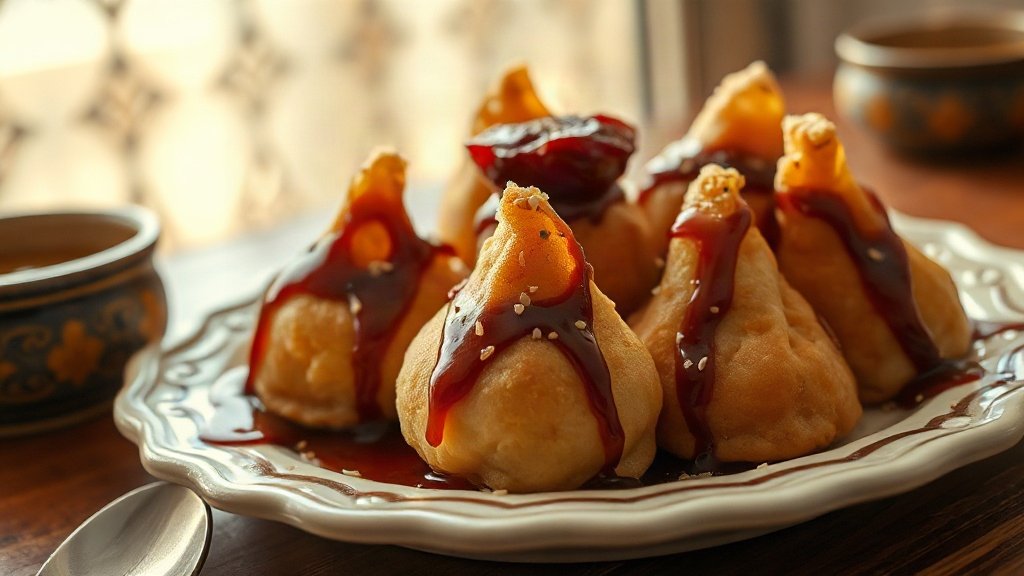
Illustration: AI-generated image
Among the many sweets that grace Gulf tables, few are as instantly recognisable as luqaimat. These small, golden dumplings are a staple of Emirati, Saudi and wider Arabian hospitality, with a crisp shell that gives way to a soft, airy centre. Drenched in date syrup or honey and often sprinkled with sesame seeds, they are a simple yet deeply satisfying treat, particularly associated with Ramadan, Eid and family gatherings.
What are luqaimat?
The name luqaimat (or luqmat al-qadi in some parts of the Arab world) means 'small bites' or 'morsels'. They are made from a yeasted batter that is dropped by spoonfuls into hot oil, where they puff up and turn a deep golden brown. The result is a bite-sized dumpling with a delicate crunch and a fluffy interior, ready to be coated in a sticky, sweet topping.
A history rooted in tradition
Luqaimat have been enjoyed across the Middle East for centuries. Food historians trace their origins to the Abbasid era, when similar fried dough sweets were described in medieval Arabic cookbooks. Over time, the recipe travelled across the region, with each area adapting it to local tastes. In the Gulf, luqaimat became a household essential, especially during the holy month of Ramadan, when they are made in large batches to break the fast.
How they are made
The basic ingredients are humble: flour, yeast, sugar, water or milk, and a pinch of saffron or cardamom for fragrance. Some recipes add a little yogurt for extra tenderness. After mixing, the batter is left to rest and rise, creating the signature airy texture. Small spoonfuls are then deep-fried until golden, drained, and immediately tossed in warm date syrup (dibs) or honey. A final sprinkle of sesame seeds or crushed pistachios adds texture and flavour.
Symbol of generosity and togetherness
In Gulf culture, food is a language of hospitality, and luqaimat speak volumes. Their preparation is often a communal activity, with family members gathering in the kitchen to shape and fry the dough. During Ramadan, it is common to see trays of luqaimat being shared with neighbours, friends and those in need, reinforcing bonds of community. Their round shape is sometimes said to symbolise unity and completeness, making them a fitting end to a shared meal.
Modern twists on a classic
While the traditional recipe remains beloved, contemporary chefs and home cooks have introduced playful variations. Some fill the dumplings with cheese, chocolate or cream, while others drizzle them with caramel, Nutella or flavoured syrups. Savoury versions with herbs and spices also appear on fusion menus. Yet for most Gulf residents, the classic date-syrup version remains the gold standard, evoking memories of childhood and festive gatherings.
Where to experience luqaimat
Luqaimat are ubiquitous across the Gulf. They are served at mosque iftars, community halls, traditional markets and virtually every Emirati or Saudi restaurant. During Ramadan, pop-up stalls and tents often specialise in them, frying fresh batches throughout the evening. For visitors, trying luqaimat is an essential part of experiencing authentic Gulf hospitality, best enjoyed with a cup of Arabic coffee or karak tea.