Trade Finance in the Gulf: A Practical Guide to Letters of Credit and Bank Guarantees
Understand the essentials of trade finance in the Gulf, including how letters of credit and bank guarantees work, and how they can protect your business in cross-border transactions.
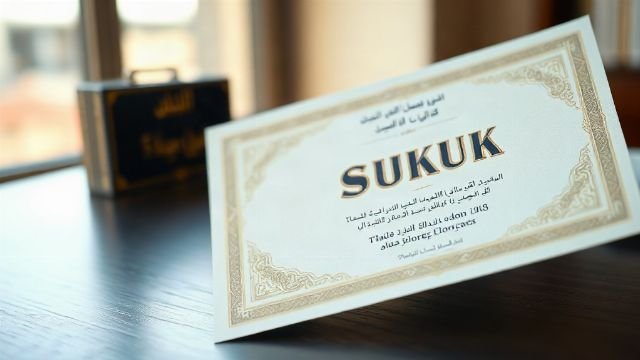
Illustration: AI-generated image
Trade finance is the lifeblood of cross-border commerce, and in the Gulf region it plays an especially vital role. With economies built on the import and export of goods ranging from oil and gas to machinery and consumer products, businesses need reliable ways to manage payment risk and ensure that goods and money change hands smoothly. This guide explains the most common trade finance instruments used in the Gulf and offers practical advice for companies engaging in international trade.
What is trade finance?
Trade finance refers to the financial tools and products that facilitate domestic and international trade. It bridges the gap between the exporter, who wants to be paid before releasing goods, and the importer, who wants to receive goods before making payment. Banks and financial institutions act as intermediaries, providing guarantees of payment, credit, or both. In the Gulf, where many transactions involve parties in different countries with different legal systems, trade finance reduces uncertainty and builds trust.
Key trade finance instruments
Several instruments are widely used throughout the Gulf. The most prominent are letters of credit and bank guarantees, but documentary collections and open account terms are also common.
Letters of credit (LCs) are commitments by a bank on behalf of the buyer to pay the seller once certain conditions are met, typically the presentation of specified documents such as bills of lading, invoices, and insurance certificates. An LC assures the seller of payment and assures the buyer that payment is made only when the goods have been shipped as agreed. In the Gulf, LCs are often governed by international rules set by the International Chamber of Commerce, such as UCP 600.
Bank guarantees are promises by a bank to cover a loss if a party fails to meet its contractual obligations. They are frequently used in the Gulf for bid bonds, performance bonds, and advance payment guarantees. For example, a contractor may provide a performance guarantee to a government entity to ensure completion of a project.
Documentary collections involve the exporter's bank sending shipping documents to the importer's bank with instructions to release them against payment (documents against payment) or acceptance of a bill of exchange (documents against acceptance). This is less secure than an LC but less costly and often used when there is an established relationship.
Open account terms, where goods are shipped before payment is due, are used between long-term partners with high trust. In the Gulf, open account is becoming more common as regional trade integration deepens.
Practical tips for Gulf businesses
When using trade finance in the Gulf, consider these practical points:
- Choose the right instrument: Assess the level of trust and the value of the transaction. For a new supplier in a foreign country, an LC may be essential; for a regular partner, open account might be more efficient.
- Understand Islamic trade finance: Many Gulf banks offer Sharia-compliant alternatives such as murabaha (cost-plus financing), where the bank buys the goods and sells them to the importer at a marked-up price. These structures can be used in place of conventional interest-based financing.
- Work with experienced banks: Gulf banks have deep expertise in trade finance, especially for oil, gas, and petrochemicals. Choose a bank with a strong international network and knowledge of the relevant jurisdictions.
- Ensure documentation is accurate: Discrepancies in documents are a common cause of LC rejection. Double-check details such as names, quantities, and dates to avoid delays and extra costs.
- Consider currency risk: Many Gulf currencies are pegged to the US dollar, but when trading in other currencies, hedging tools such as forward contracts can protect against exchange rate fluctuations.
By mastering these instruments and best practices, businesses in the Gulf can trade with confidence, reduce risk, and unlock new opportunities in global markets.