Tannour Bread: A Guide to the Gulf's Wood-Fired Flatbread
Soft, chewy and gently smoky, tannour bread is a staple across the Gulf. Here's how it's made and the best ways to enjoy it.
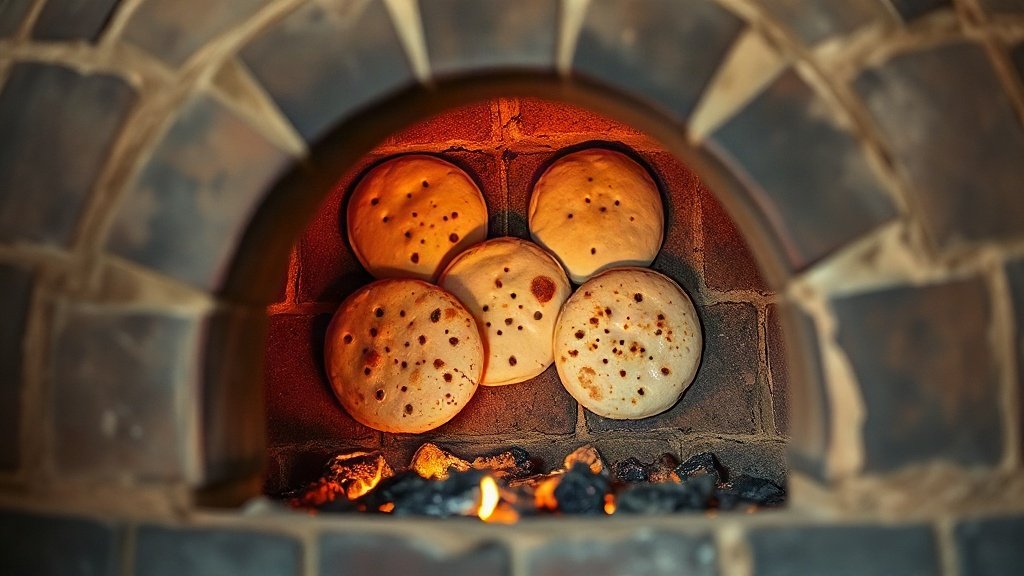
Illustration: AI-generated image
Tannour bread is one of the most beloved staples of Gulf cuisine. Baked in a traditional domed clay oven, it has a soft, chewy texture and a subtle smoky flavour that pairs beautifully with everything from rich stews to simple dips. Unlike the paper-thin regag, tannour bread is thicker and heartier, making it ideal for scooping and wrapping.
What is tannour bread?
Tannour bread, also known as khubz tannour or tannouri bread, is a round flatbread traditionally baked in a tannour – a cylindrical clay oven. The bread is made from a simple dough of flour, water, yeast and salt, which is allowed to rise before being shaped into flat discs. The discs are then slapped onto the hot interior walls of the oven, where they bake quickly in the intense radiant heat. The result is a bread with a crisp, slightly blistered exterior and a soft, airy crumb.
How it is made
The key to tannour bread lies in the oven itself. A tannour is typically built from clay and stands about a metre tall, with a wide opening at the top or side. Wood or charcoal is burned inside until the walls are searing hot, then the baker reaches in and presses each round of dough against the wall. The bread bakes in just a few minutes, developing characteristic dark spots and a gentle smokiness. At home, a very hot pizza stone or a cast-iron pan can approximate the effect, though purists insist nothing beats the real thing.
How to enjoy tannour bread
Tannour bread is wonderfully versatile. It is usually served warm alongside main dishes such as machboos, saloona or thareed, and it is perfect for tearing and scooping up sauces and gravies. It also makes an excellent wrap for grilled meats, shawarma or falafel. For a simple breakfast, try it with labneh, olive oil and za'atar, or with a drizzle of honey and a cup of karak chai. Many families keep a stack of tannour bread on the table for every meal, and it is common to see it used as a utensil as well as a food.
A staple across the Gulf
While the exact recipe and baking method vary slightly from country to country, tannour bread is a unifying element of Gulf hospitality. In Oman and the UAE, it is often baked fresh in neighbourhood bakeries and delivered daily. In Saudi Arabia, it is a common accompaniment to hearty dishes like jareesh and harees. Its simplicity and satisfying chew make it a reliable comfort food, and its long history ties it to the region's trading and culinary traditions. Whether you encounter it at a local bakery or try making it at home, tannour bread offers a delicious taste of everyday Gulf life.