How to Navigate Customs and Imports in the Gulf: A Practical Guide
Bringing goods into Gulf countries involves specific procedures, documentation and duty rules. Here is what businesses need to know.
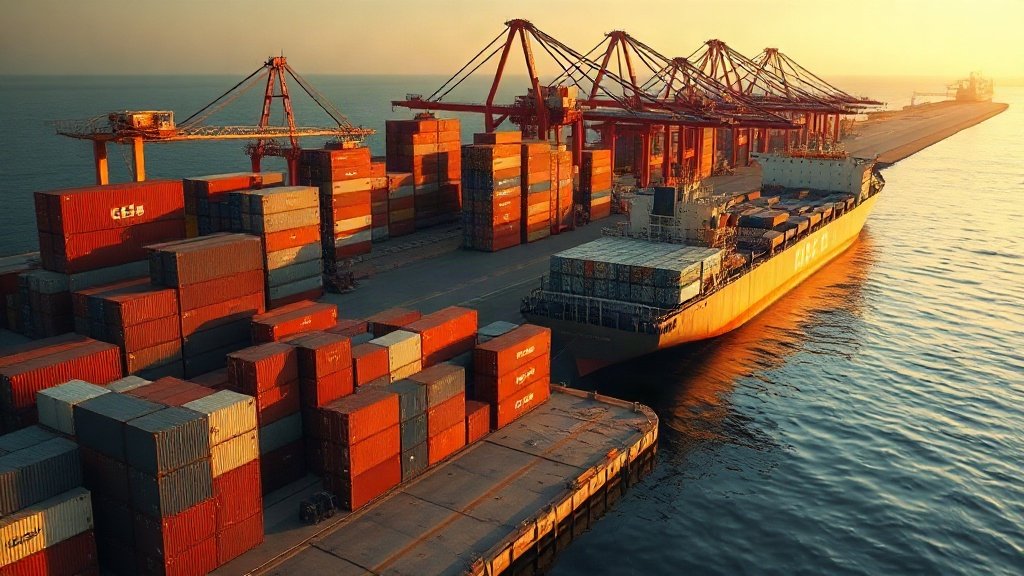
Illustration: AI-generated image
Importing goods into the Gulf Cooperation Council (GCC) countries – Saudi Arabia, the UAE, Qatar, Kuwait, Bahrain and Oman – follows a broadly similar framework, although each state applies its own administrative details. For businesses, understanding the basics of customs clearance can help avoid delays and unexpected costs.
Understanding customs duties
Most goods imported into GCC countries are subject to a standard customs duty, commonly set at five per cent of the cost, insurance and freight value. However, many products are exempt or reduced under specific circumstances. For example, certain foodstuffs, medicines and basic consumer goods may qualify for lower or zero duty. Goods imported for re-export, particularly through free zones, often benefit from duty suspension. It is always wise to check the national tariff schedule of the destination country before shipping.
Essential documentation
Customs authorities require a standard set of documents for every import. These typically include:
- A commercial invoice detailing the goods, quantities and value.
- A packing list itemising each package.
- A certificate of origin, often attested by a chamber of commerce in the exporting country.
- A bill of lading or airway bill.
- Any product-specific licences or approvals, such as health certificates for food or conformity certificates for electronics.
Having accurate and consistent documents is crucial. Discrepancies between the invoice and the physical shipment are a common cause of clearance delays.
The role of free zones
Free zones play a significant part in Gulf trade. Businesses operating within these designated areas can import goods without paying duty, provided the goods remain in the zone or are re-exported. If goods are later transferred to the local market, duty becomes payable. For companies involved in regional distribution or manufacturing, using a free zone can create substantial savings and simplify logistics.
Tips for smooth clearance
Several practical steps can help expedite the customs process. Engaging a licensed customs broker is standard practice, as they are familiar with local regulations and electronic filing systems. Many Gulf countries now require pre-arrival clearance submissions, allowing goods to be assessed before they land. Businesses should also ensure that product labelling meets local requirements, which may include Arabic translations or specific safety marks. Finally, keeping a complete record of past clearances can help resolve disputes or audits efficiently.
While the procedures may seem complex at first, they are well established and transparent. A little preparation goes a long way in keeping supply chains flowing smoothly into the Gulf.