Salata Hara: A Guide to the Gulf's Fiery Tomato Condiment
This spicy tomato and chilli side dish is a staple on Gulf tables, cutting through rich meat dishes with its bright, fiery flavour.
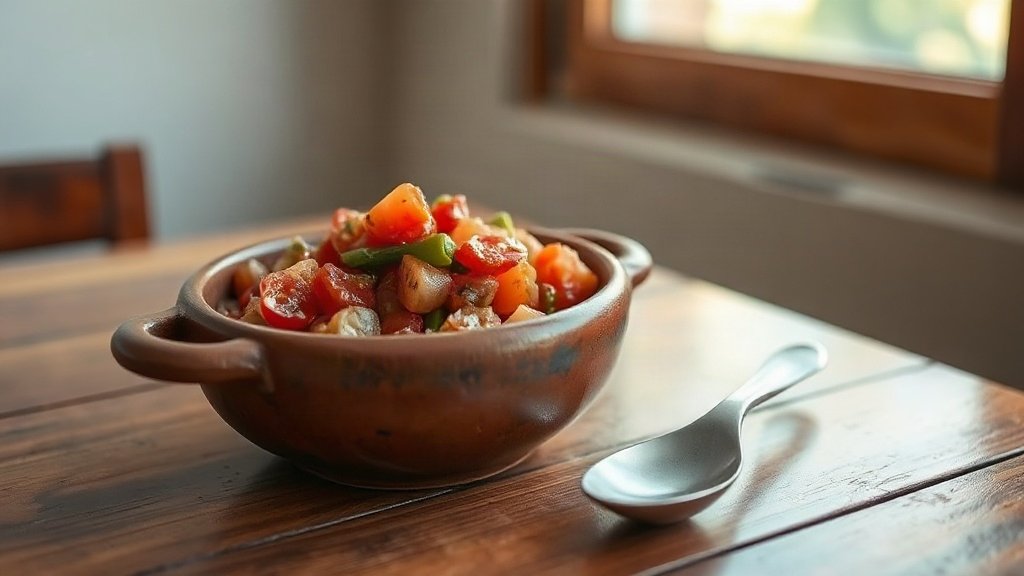
Illustration: AI-generated image
Walk into any traditional restaurant or home in the Gulf and you are likely to find a small bowl of vivid red salsa-like condiment alongside the main course. Known as salata hara — literally 'spicy salad' — this punchy tomato and chilli mixture is as essential to a Gulf meal as rice or bread. It brings heat, acidity and freshness to rich, slow-cooked dishes, cutting through the fattiness of lamb, chicken or fish with ease.
What exactly is salata hara?
Salata hara is a chunky, uncooked condiment made primarily from ripe tomatoes, fresh green or red chillies, garlic, and a few simple seasonings. Unlike smooth hot sauces, it retains a rustic texture, with visible pieces of tomato and flecks of chilli. The flavour is sharply tangy from the tomatoes and lime or lemon juice, with a pronounced but not overwhelming heat that can be adjusted to taste.
It is sometimes confused with shatta, another fiery Gulf condiment, but shatta is typically a smoother, pureed chilli paste made mainly from chillies, garlic and salt. Salata hara, by contrast, is tomato-forward and has a more salad-like consistency.
How is it made?
The basic method is wonderfully simple and requires no cooking. Ripe tomatoes are finely diced or roughly crushed, then mixed with minced garlic, chopped fresh chillies (often green bird's eye or red serrano), salt, and a generous squeeze of lime or lemon juice. Some versions add a handful of chopped fresh coriander or parsley, a pinch of ground cumin, or a drizzle of olive oil, but the core remains tomato and chilli.
The key is to use very ripe, flavourful tomatoes, as they provide the natural sweetness and juiciness that balance the heat. The mixture is left to sit for ten to fifteen minutes before serving so the flavours meld. It is always served fresh; it does not keep well for more than a day.
How is it eaten?
Salata hara is a versatile accompaniment. It is most commonly spooned over or beside rice dishes such as mandi, kabsa or madhbi, where its acidity cuts through the smoky, oily richness of the meat. It is also excellent with grilled fish, shawarma, or even scooped up with flatbreads like tannour or regag as a zesty dip.
Many diners mix a spoonful directly into their rice or use it to top a piece of meat, much like a fresh salsa. Because it is light and fresh, it provides a welcome contrast to the often heavy, spice-laden main courses of Gulf cuisine.
Regional variations
While the basic recipe is shared across the Gulf, there are small differences. In Saudi Arabia, it is often very spicy and may include green chillies only. In Yemeni-influenced kitchens, it might be blended smoother with a touch of tomato paste. In the UAE and Oman, a squeeze of lime is almost always present, and sometimes a little grated ginger is added for extra zing. Some families add a spoonful of yoghurt to tame the heat, though purists would argue that turns it into a different dish altogether.
Making your own
To make salata hara at home, start with three or four ripe tomatoes. Dice them finely or pulse briefly in a food processor until chunky but not pureed. Add two to three minced garlic cloves, one or two finely chopped fresh chillies (adjust to your heat preference), a big pinch of salt, and the juice of half a lime. Stir in a tablespoon of chopped coriander if you like. Let it sit for ten minutes, then taste and adjust salt and lime. That's it — a simple, bright condiment that will lift any Gulf-inspired meal.
Whether you are recreating a traditional feast or simply looking for a new way to use ripe tomatoes, salata hara deserves a place on your table.