How Halal Certification Works in the Gulf: A Guide for Food Businesses
Understanding halal certification in the Gulf is essential for food and beverage companies aiming to serve the region's large Muslim consumer base. This guide explains the key steps and requirements.
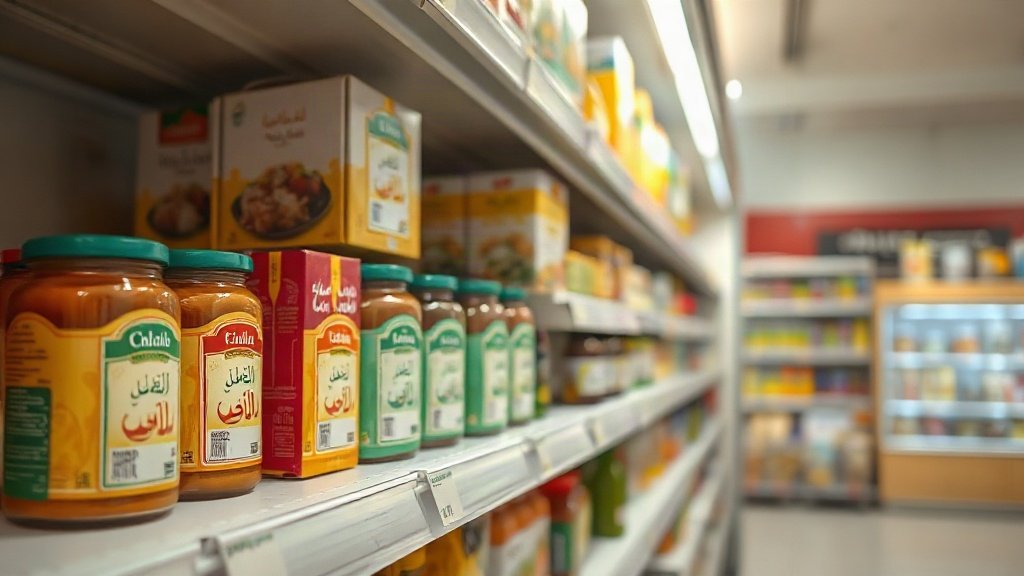
Illustration: AI-generated image
Halal certification is a crucial gateway for food and beverage businesses looking to trade successfully in the Gulf. With a predominantly Muslim population and a thriving food import market, the region demands strict adherence to Islamic dietary laws. Certification not only signals compliance but also builds consumer trust and opens doors to lucrative retail and hospitality sectors.
What is halal certification?
Halal, meaning "permissible" in Arabic, applies to all aspects of a product's lifecycle, from sourcing and processing to storage and labelling. Certification is a formal verification by a recognised body that a product meets Islamic law requirements. In the Gulf, this often involves rigorous documentation, facility inspections, and ongoing compliance monitoring.
Who issues halal certificates in the Gulf?
Several government and accredited bodies oversee halal certification across Gulf Cooperation Council (GCC) countries. Key authorities include the Emirates Authority for Standardization and Metrology (ESMA) in the UAE, the Saudi Food and Drug Authority (SFDA) in Saudi Arabia, and the Ministry of Public Health in Qatar. Each country has its own regulations, but many accept certifications from approved foreign bodies that meet GCC standards.
Key requirements for halal certification
- Ingredients: All components must be halal, with no pork, alcohol, or improperly slaughtered meat. Additives and processing aids must also be verified.
- Production process: Facilities must prevent cross-contamination with non-halal items. Dedicated lines or thorough cleaning protocols are often required.
- Storage and transport: Halal products must be kept separate from non-halal goods throughout the supply chain.
- Labelling: Packaging must clearly display halal certification marks and ingredient lists in Arabic and English.
How to obtain halal certification
The process generally involves the following steps:
- Application: Submit an application to the relevant authority or an accredited certification body, providing details of products, ingredients, and manufacturing processes.
- Document review: The certifier reviews all documentation, including supplier certificates and ingredient specifications.
- Facility inspection: An auditor visits the production site to verify halal compliance, check segregation, and assess hygiene.
- Certification decision: If requirements are met, a certificate is issued, typically valid for one to three years, subject to annual surveillance audits.
- Renewal: Businesses must reapply before the certificate expires, often with updated documentation and another inspection.
Benefits of halal certification in the Gulf
Beyond meeting legal and religious obligations, halal certification offers clear commercial advantages. It grants access to a vast market of Muslim consumers who actively seek certified products. Many Gulf retailers and hotels require halal certification as a precondition for listing food and beverage items. Certification also enhances brand reputation and can facilitate exports to other Muslim-majority countries.
Common challenges and practical tips
Businesses often struggle with ingredient traceability, especially for complex processed foods. Keeping accurate supplier records and sourcing from halal-certified ingredient providers can streamline the process. Working with an experienced local consultant or certification body familiar with Gulf regulations is highly recommended. Maintaining strong documentation and training staff on halal procedures also reduces the risk of compliance lapses.
For food businesses eyeing the Gulf's dynamic market, halal certification is not just a formality—it is a strategic investment. By understanding the requirements and engaging early with recognised authorities, companies can position themselves for long-term success in one of the world's most promising halal markets.