Qahwa and Business: A Guide to Arabic Coffee Etiquette in the Gulf
Understanding how to serve and accept Arabic coffee can strengthen professional relationships in the Gulf. Here is what to know about this important tradition.
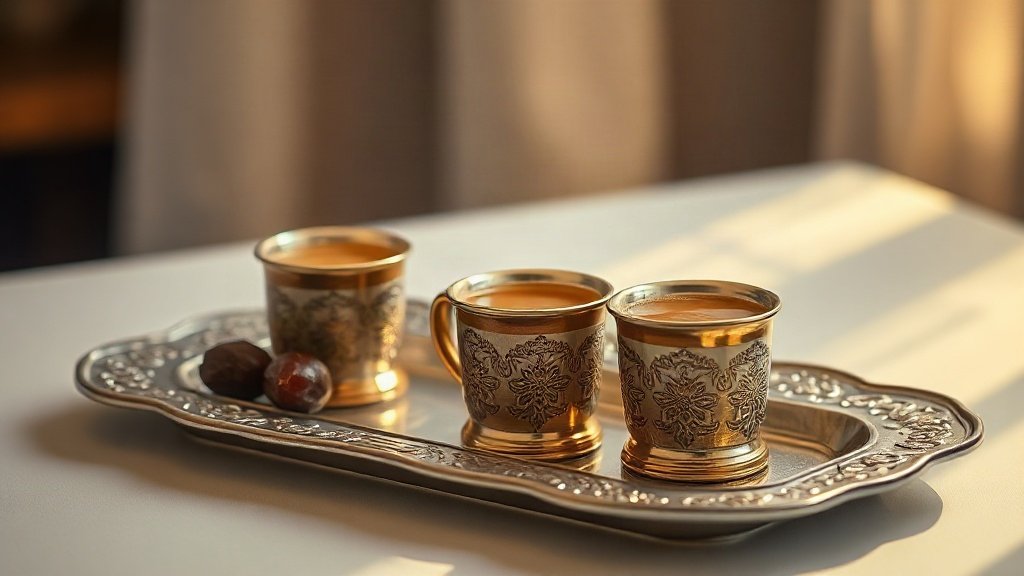
Illustration: AI-generated image
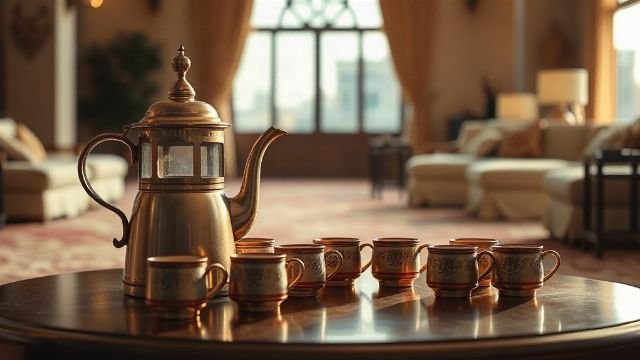
In the Gulf, business is often conducted over a cup of qahwa – the aromatic, lightly spiced Arabic coffee that has been central to hospitality for centuries. Knowing how to handle this ritual can help you build rapport and show respect. This guide explains the key points of qahwa etiquette in professional settings.
What is qahwa?
Qahwa is a traditional coffee made from lightly roasted beans, often flavoured with cardamom, saffron or cloves. It is served in small, handleless cups called finjan. Unlike Western coffee, it is not usually taken with milk or sugar, though dates are commonly served alongside.
When is it served?
Qahwa is offered at the start of a meeting, during breaks, or as a gesture of welcome. It is common in offices, majlis settings and at formal gatherings. Accepting it is considered polite, as it signals openness to the relationship.
How to accept the cup
Use your right hand – or both hands if the cup is hot – to receive the finjan. The server, often called a muqahwi, will pour a small amount. The cup is usually filled only a third or half full.
Drinking etiquette
Sip slowly. Do not gulp. It is customary to drink at least one cup, but you may have up to three. When you have had enough, gently shake the empty cup from side to side with your right hand, or say “shukran” while returning it. Never hand back a cup that still contains coffee.
What to avoid
Avoid placing the cup on the floor or table; always return it to the server. Refrain from asking for sugar or using the left hand. Also, do not start business talk immediately – allow the coffee to set a relaxed tone before moving to formalities.
Why it matters
Qahwa is more than a drink. It is a symbol of trust and hospitality. Observing these customs shows cultural awareness, which can ease negotiations and deepen professional bonds in the Gulf.