Renting a Car in the Gulf: A Practical Guide for Visitors
Renting a car is one of the best ways to explore the Gulf at your own pace. Here is what you need to know about licences, insurance, driving rules and more.
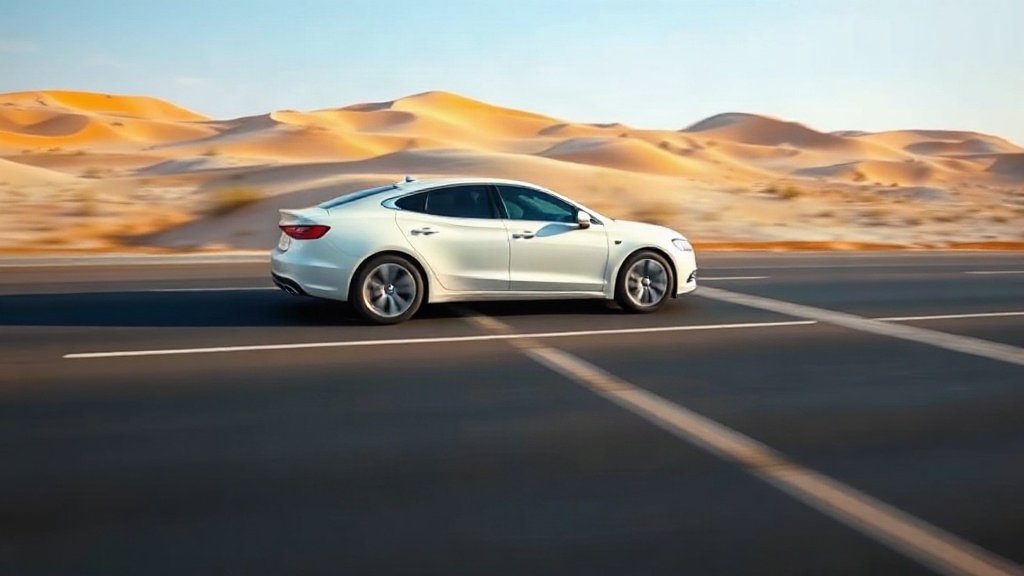
Illustration: AI-generated image
Renting a car in the Gulf gives you the freedom to explore beyond the cities, from desert highways to mountain roads and coastal routes. The region’s road network is modern and well-maintained, making self-driving a popular choice for visitors. Here is a practical guide to help you get on the road.
Driving licence requirements
Most Gulf countries require visitors to carry an International Driving Permit (IDP) alongside their national driving licence. Your IDP should be obtained in your home country before you travel. Some nationalities may be exempt, but it is always safest to have an IDP. The minimum age to rent a car is usually 21, but drivers under 25 may face additional fees or restrictions. You will also need a credit card in the main driver’s name to cover the deposit.
Choosing your vehicle
For city driving and standard highways, a compact or mid-size car is sufficient and economical. If you plan to visit desert areas or wadis, consider renting a four-wheel drive (4WD). Many rental companies offer 4WD vehicles, but check that the vehicle is insured for off-road use, as standard policies often exclude it. Always inspect the car for existing damage before driving away and take photos to avoid disputes later.
Insurance and excess
Basic insurance is typically included in the rental price, but it often carries a high excess. You can reduce this by purchasing a collision damage waiver or super cover from the rental company. Third-party liability insurance is mandatory. Check whether the policy covers windscreen, tyres and undercarriage damage, especially if you plan to drive on gravel or desert tracks.
Rules of the road
Traffic moves on the right-hand side of the road in all Gulf countries. Seatbelts are mandatory for all passengers, and using a mobile phone while driving is strictly prohibited. Speed limits are clearly signposted and enforced with radar cameras; fines can be heavy. Drink-driving is a serious offence with zero tolerance. Roundabouts are common, and traffic already on the roundabout usually has priority. Pedestrian crossings should be respected.
Fuel and parking
Fuel is relatively inexpensive across the Gulf, and petrol stations are frequent on major roads. Many stations offer full-service refuelling, so you may not need to leave your car. In cities, parking is often available in malls and public car parks; some areas use paid parking metres or mobile apps. Always check signs to avoid fines. In residential areas, parking may be restricted to permit holders.
Desert driving tips
If you venture into the desert, go with a 4WD, reduce tyre pressure for soft sand, and never drive alone. Let someone know your route and expected return time. Carry plenty of water, a charged phone and a basic recovery kit. Driving on sand dunes requires experience; it is safer to join a guided tour if you are a beginner. After returning, re-inflate your tyres at the nearest petrol station.
Returning the car
Most rental companies require you to return the car with the same amount of fuel as when you collected it. Clean the car before return to avoid cleaning fees, and check for any new damage. Return on time to avoid extra charges. Keep all paperwork and receipts until your deposit is refunded.